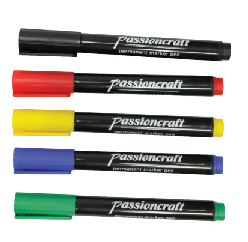
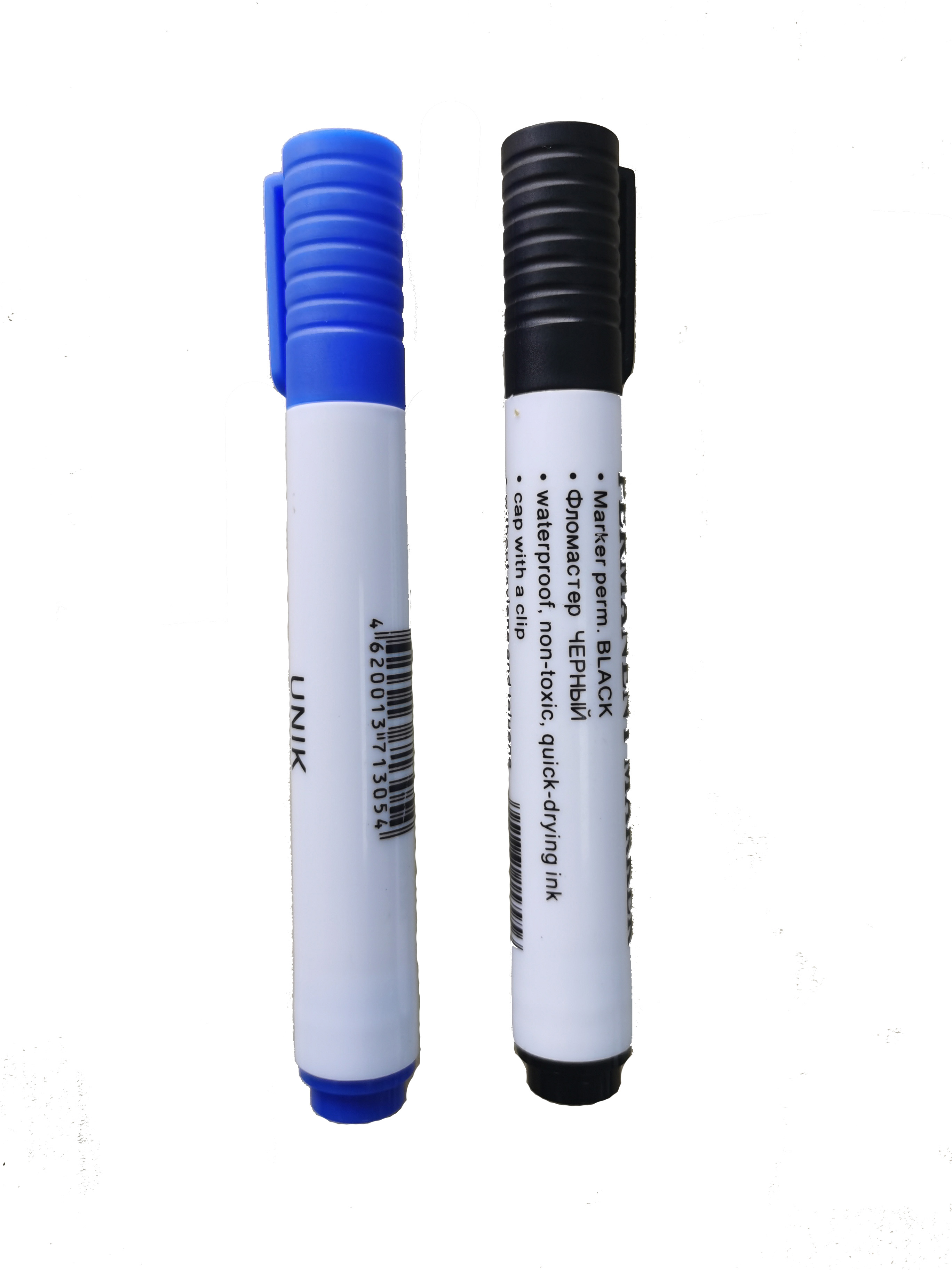
Marker Pens
Source high-quality marker pens from vetted manufacturers and suppliers in Asia. Designed for importers, wholesale distributors, and stationery brands requiring reliable bulk production or OEM/ODM private labeling. Ensure consistent ink flow, nib durability, and strict safety compliance across your entire order.
Sourcing marker pens at scale requires balancing ink formulation, nib durability, and reservoir capacity to prevent premature dry-out and ensure consistent laydown. Whether you are developing a professional art marker line, industrial permanent markers, or stocking bulk office supplies, the difference between a premium writing instrument and a defective batch lies in the precision of the factory's assembly line and the exact raw materials specified in your BOM (Bill of Materials).
Specifying Core Components
The performance of a marker is dictated by the synergy between three main components: the nib, the ink, and the internal reservoir (often called the tampon). If the porosity of the nib does not match the density of the reservoir and the viscosity of the ink, the marker will either leak or dry out rapidly.
| Nib Material | Characteristics | Typical Applications |
|---|---|---|
| Polyester | Highly durable, holds shape well, moderate ink flow. | Whiteboard markers, standard office highlighters. |
| Acrylic | Excellent ink flow, softer feel, wears down faster on rough surfaces. | Art markers, premium coloring pens. |
| Sintered (Porous Plastic) | Rigid, extremely durable, consistent fine-line flow. | Fineliners, industrial permanent markers. |
When negotiating with suppliers, you must specify the origin of these components. Premium OEM brands often specify Japanese or German nibs and inks (such as Teibow nibs or Dokumental inks), while relying on Chinese manufacturers for the molded barrels and final assembly.
Manufacturing Tolerances and Quality Control
Marker assembly is highly automated. The process typically involves injection molding the plastic barrels (usually PP or ABS), inserting the fiber reservoir, injecting the ink, inserting the nib, and finally capping and sealing the pen.
The most critical stage is ink injection. Advanced factories utilize centrifuge injection systems to ensure the ink saturates the reservoir evenly without air pockets, whereas lower-tier factories may use basic needle injection which can lead to inconsistent ink volumes. Catching assembly defects requires rigorous Quality Control & Inspection before the goods are containerized.
Critical QC Checkpoints for Marker Pens
- Cap Pull Force: Ensure caps require adequate force to remove (preventing accidental opening) but are not too tight for the end-user.
- Cap-Off Time: Testing how long the marker can remain uncapped before the nib dries out (standard is often 24 to 72 hours depending on ink type).
- Write-Out Length: Machine-tested continuous line drawing to verify the total distance the marker can write before ink depletion.
- Seal Integrity: Vacuum testing to ensure the barrel plug and cap seal perfectly to prevent solvent evaporation.
Need to verify a manufacturer's assembly tolerances or arrange pre-shipment inspection? Speak with our sourcing engineers.
Talk to our teamInk Formulations and Market Compliance
Inks are generally categorized into water-based, alcohol-based, and oil-based (or solvent-based) formulations. The solvent base determines the drying time, permanence, and odor, but it also dictates the regulatory compliance required for your target market.
Mandatory Chemical Testing
Marker inks must comply with strict chemical regulations. For the US market, art and school markers require LHAMA (ASTM D4236) certification to confirm they are non-toxic. For the EU, EN71-3 (heavy metals migration) and REACH compliance are mandatory. Always require valid, recent test reports from recognized third-party labs (like SGS or Intertek).
Managing these regulatory hurdles requires thorough Compliance & Testing protocols, as a failed chemical test at customs can result in immediate shipment rejection.
Typical MOQs, Lead Times, and Pricing Drivers
Most established stationery manufacturers in China are clustered in Zhejiang province (particularly Ningbo and Wenzhou) and Guangdong province. Pricing is heavily dependent on the cost of the ink, the weight of the plastic barrel, and the degree of customization.
If you are developing a unique barrel shape or a proprietary dual-tip design, you will need to invest in custom injection molds. Developing custom tooling requires experienced OEM/ODM Services to ensure the mold design accommodates proper air venting; without venting, pressure changes can cause the marker to leak.
Planning a custom private-label marker line? Let us help you navigate tooling costs and factory selection.
Get a free consultationFrequently Asked Questions
Successfully importing marker pens in bulk requires moving beyond surface-level unit costs. By strictly controlling the Bill of Materials, specifying exact nib and ink origins, and enforcing rigorous cap-seal and write-out testing, you can eliminate the risk of dry or leaking inventory arriving at your warehouse.
Get Sourcing Help for Marker Pens
Tell us your requirements and our experts will connect you with verified manufacturers.