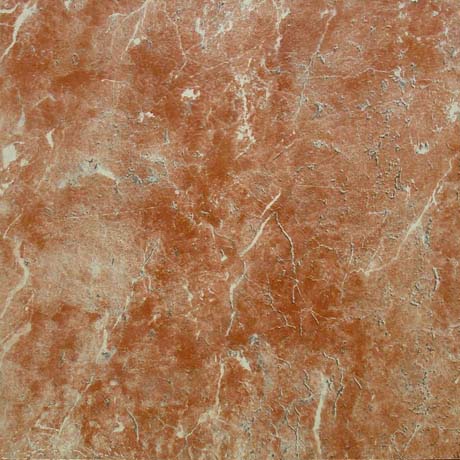
Marble
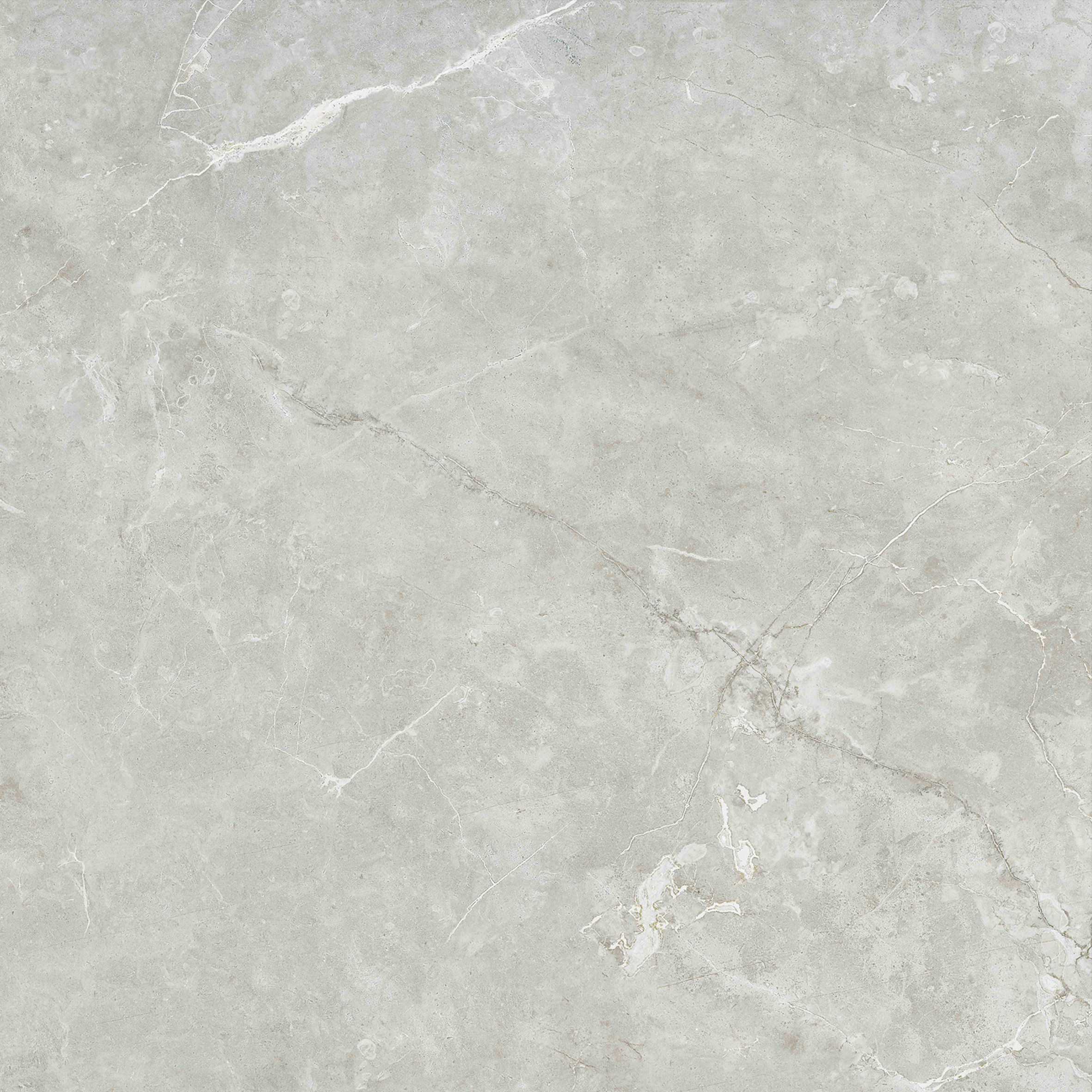
Source premium marble in bulk directly from vetted manufacturers and quarries. Designed for importers, wholesalers, distributors, and commercial construction procurement managers, our network offers reliable access to slabs, tiles, and custom cut-to-size natural stone for large-scale architectural projects.
Sourcing natural marble at scale presents a unique challenge: balancing the inherent variability of a geological product with the strict tolerances required by modern commercial construction. When buying slabs, tiles, or cut-to-size pieces in bulk, success depends entirely on controlling the processing standards at the factory level. A supplier's ability to calibrate thickness, apply structural resins, and manage color variation dictates whether your shipment yields high-margin architectural surfaces or unusable waste.
Essential Marble Specifications
Procurement in the natural stone sector requires precise technical specifications to ensure the material performs adequately in its intended environment. Beyond aesthetic descriptions, wholesale buyers must define the physical and mechanical properties of the stone.
When negotiating with manufacturers, specify the following parameters:
- Water Absorption Rate: Typically expressed as a percentage. High-quality marble should have a water absorption rate of less than 0.2 percent. Higher rates indicate porosity, which leads to staining and freeze-thaw damage in exterior applications.
- Compressive Strength: Crucial for flooring and structural applications. Standard commercial marble ranges between 70 and 140 MPa.
- Flexural Strength: Determines the stone's resistance to bending and snapping during transport and installation. A minimum of 7 to 12 MPa is standard, though this varies significantly by specific geological origin.
- Thickness Tolerance: For calibrated tiles, a tolerance of plus or minus 1mm is standard. For slabs, plus or minus 2mm is acceptable.
| Finish Type | Process | Best For | Slip Resistance |
|---|---|---|---|
| Polished | High-friction diamond abrasive | Interior floors, wall cladding, countertops | Low |
| Honed | Abrasive stopping before gloss | High-traffic commercial floors, bathrooms | Medium |
| Brushed | Wire brushes under water flow | Textured wall features, exterior transitions | High |
Manufacturing and Processing Capabilities
The difference between premium and sub-standard marble rarely lies in the quarry itself; it is determined on the factory floor. Transforming raw blocks into finished slabs requires heavy, highly maintained machinery.
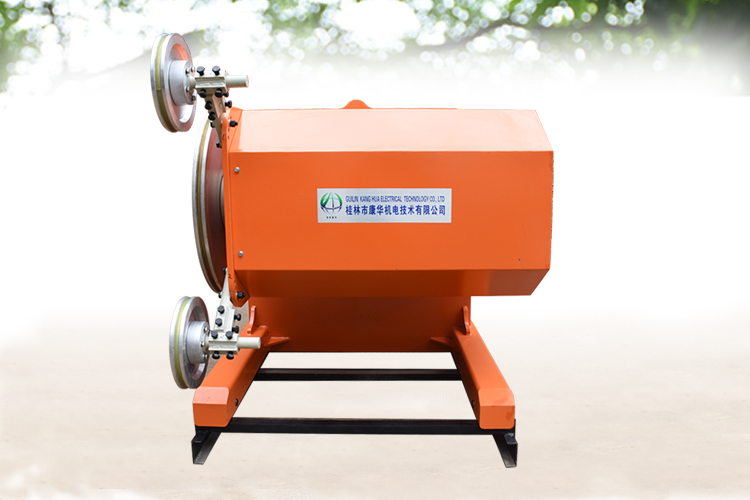
Modern block-cutting utilizes multi-wire saws that yield flatter slabs with less material waste than older gang saws. After cutting, slabs often exhibit micro-fissures. Premium manufacturers route these slabs through an automated epoxy resin line, often incorporating a fiberglass mesh backing. The slabs are heated, epoxy is applied in a vacuum environment to penetrate the fissures, and the stone is baked. Factories lacking this equipment will produce brittle slabs prone to breakage during transit.
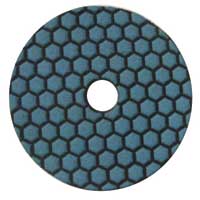
Because machinery dictates quality, conducting thorough factory audits is a mandatory step before placing high-volume orders. You must verify the maintenance schedule of their polishing lines and the quality of the abrasives they use.
Need to verify a stone manufacturer's processing capabilities? We audit factories on-site to ensure they have the machinery and quality systems required for commercial-grade marble production.
Talk to our teamQuality Control and Defect Management
Natural stone is graded by the factory, but "A-Grade" is a subjective term that varies from supplier to supplier. Without strict, independent oversight, factories may mix lower-grade pieces into bulk shipments to clear inventory.
Implementing rigorous quality control and inspection protocols before the stone is packed is the only way to protect your investment.
Pre-Shipment Marble Inspection Checklist
- Verify thickness consistency across all four corners of the slab or tile using digital calipers.
- Inspect the polished surface under oblique lighting to identify dull spots, factory scratches, or uneven gloss levels.
- Check for un-filled natural voids, pitting, or poorly applied epoxy resin on the face.
- Confirm the fiberglass mesh backing (if specified) is fully adhered without peeling edges.
- Ensure edge profiles (e.g., bullnose, eased) are uniform and free of chip-outs.
- Verify the moisture content of the wooden packaging to prevent staining and comply with ISPM-15.
The Importance of the Dry Lay
For projects requiring book-matching or continuous vein flow, request a "dry lay" inspection. The factory lays out the cut tiles or slabs in the exact configuration they will be installed. This allows inspectors to verify color consistency, vein alignment, and dimensional accuracy across the entire layout before the pieces are numbered and crated.
Pricing, MOQs, and Logistics
Marble pricing is highly volatile, driven by block availability, yield rates, and processing complexity. High-wastage cuts or rare vein structures command significant premiums.
Because marble is exceptionally heavy and fragile, logistics require specialized handling. Slabs must be loaded onto heavy-duty wooden A-frames, while tiles require reinforced, fumigated wooden crates lined with foam. Poor packaging leads to catastrophic breakage rates upon arrival. Coordinating the consolidation and shipping and freight with partners experienced in heavy stone transport is critical to maintaining your landed margins.
Managing heavy freight logistics and factory-level quality control for natural stone is complex. Let us help you streamline your supply chain and protect your margins.
Get a free consultationFrequently Asked Questions
Procuring marble at a commercial scale is an exercise in risk management. By clearly defining technical specifications, auditing factory machinery, and enforcing strict pre-shipment inspections, buyers can secure premium natural stone while avoiding the costly pitfalls of breakage and inconsistent grading.
Get Sourcing Help for Marble
Tell us your requirements and our experts will connect you with verified manufacturers.