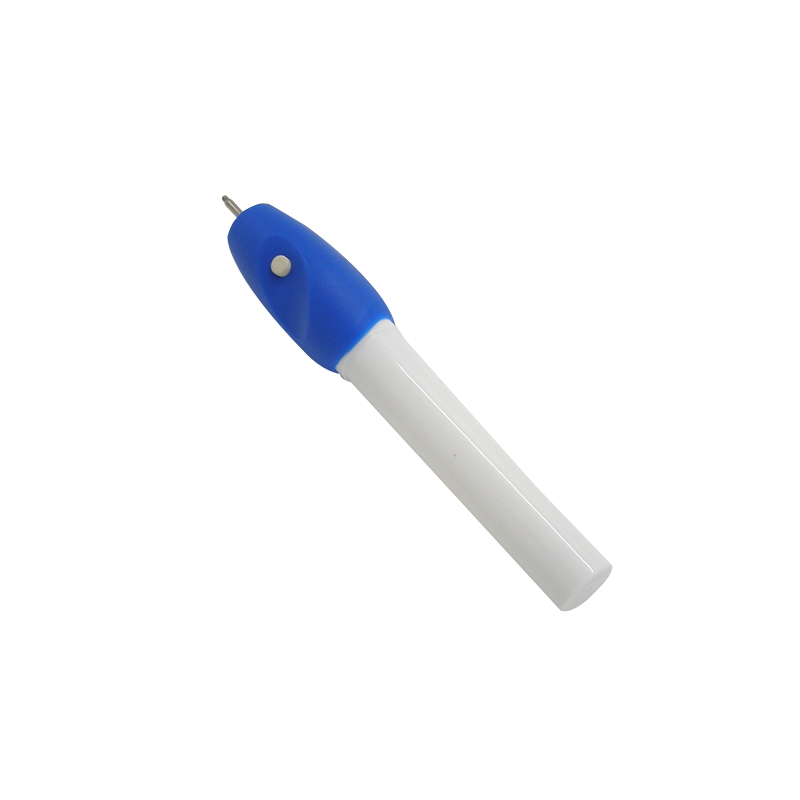
Manual Engraving Pens
Source manual engraving pens directly from vetted manufacturers and suppliers. Designed for tool importers, industrial wholesalers, and brands seeking reliable bulk procurement and OEM/private-label production. Secure competitive wholesale pricing on high-grade carbide and diamond-tipped engraving hand tools built to precise manufacturing standards.
Sourcing manual engraving pens in bulk seems straightforward until you encounter the common pitfalls of low-end manufacturing: tips that shatter on hardened steel, bodies with inconsistent anodizing, or knurling that lacks grip. For tool brands and industrial distributors, the difference between a high-margin staple and a return-generating headache lies entirely in the factory's material selection and machining tolerances.
When buying at scale, understanding the anatomy of a professional-grade engraving pen empowers you to specify exactly what you need and hold suppliers accountable.
Core Specifications and Material Selection
The performance of a manual engraving pen dictates its value. Buyers must specify both the tip material and the body construction to ensure the tool meets end-user expectations.
Tip Materials: The Cutting Edge
The tip is the most critical component. Most standard pens utilize Tungsten Carbide, specifically the YG8 grade, which offers an optimal balance of hardness and impact toughness. For specialized applications, industrial diamond tips are required.
| Tip Material | Hardness Profile | Ideal Applications | Cost Impact |
|---|---|---|---|
| Tungsten Carbide (YG8) | High toughness, standard hardness | Standard metals, glass, ceramics | Baseline cost |
| Tungsten Carbide (YG6) | Higher hardness, more brittle | Harder metals, continuous scoring | Slight premium |
| Industrial Diamond | Maximum hardness (Mohs 10) | Hardened steel, stone, composites | Premium (+30-50%) |
Body Construction and Ergonomics
The body is typically CNC-machined from 6061 aluminum alloy, offering a lightweight feel and the ability to be color-anodized. Premium variants may use brass or stainless steel for a heavier, more substantial hand-feel. Pay close attention to the knurling—the textured grip area. Cheaply manufactured pens often feature shallow, stamped knurling that slips during use, whereas high-quality suppliers use precision CNC turning to create deep, aggressive cross-hatching.
Need help verifying factory material grades and production capabilities before placing a bulk order?
Talk to our teamManufacturing Tolerances and Quality Control
The most common point of failure in a manual engraving pen is tip retention. The carbide or diamond tip must be securely fastened into the body or the replaceable collet. Factories typically use a press-fit method, industrial adhesives, or brazing. If the tolerance between the tip diameter and the mounting hole is too loose, the tip will push back into the body or fall out entirely during use.
Implementing strict Quality Control & Inspection protocols is non-negotiable. Inspectors should pull samples from the production line and test them against your specified tolerances.
Critical Pre-Shipment Inspection Points
- Tip retention force (pull and push testing to ensure secure mounting)
- Tip concentricity (ensuring the point is perfectly centered)
- Knurling depth and tactile consistency across the batch
- Anodizing thickness and color uniformity (checking for fading or blotches)
- Thread engagement smoothness (for models with replaceable tips or magnetic caps)
OEM Customization and Private Labeling
Manual engraving pens are prime candidates for white-labeling. Most tool brands utilize OEM/ODM Services to differentiate their products in a crowded market.
Customization typically involves:
- Laser Etching: Adding brand logos, part numbers, or safety warnings directly onto the anodized aluminum body.
- Custom Colors: Specifying exact Pantone colors for the anodizing process to match brand identity.
- Packaging Solutions: Upgrading from standard bulk polybags to retail-ready blister cards, clamshells, or custom EVA foam presentation cases.
- Design Modifications: Adding features like a magnetic cap for picking up metal shavings or integrating a pocket clip.
Wholesale Pricing, MOQs, and Lead Times
Pricing for manual engraving pens is heavily dependent on the tip material, body material, and packaging requirements. Because these are high-volume, low-margin items for the factory, Minimum Order Quantities (MOQs) are generally strictly enforced to justify the CNC setup and anodizing batch runs.
Before committing to a large production run, it is highly recommended to conduct Factory Audits to verify that the supplier actually owns the CNC equipment and isn't simply assembling components purchased from sub-tier workshops.
Looking to optimize your hand tool supply chain and negotiate better terms with reliable manufacturers?
Get a free consultationFrequently Asked Questions
The success of a manual engraving pen program comes down to tip hardness and assembly integrity. A poorly seated carbide tip renders the tool useless on the first day. By partnering with the right manufacturer and enforcing strict quality standards, you ensure consistent performance across every batch, protecting your brand's reputation and your bottom line.
Get Sourcing Help for Manual Engraving Pens
Tell us your requirements and our experts will connect you with verified manufacturers.