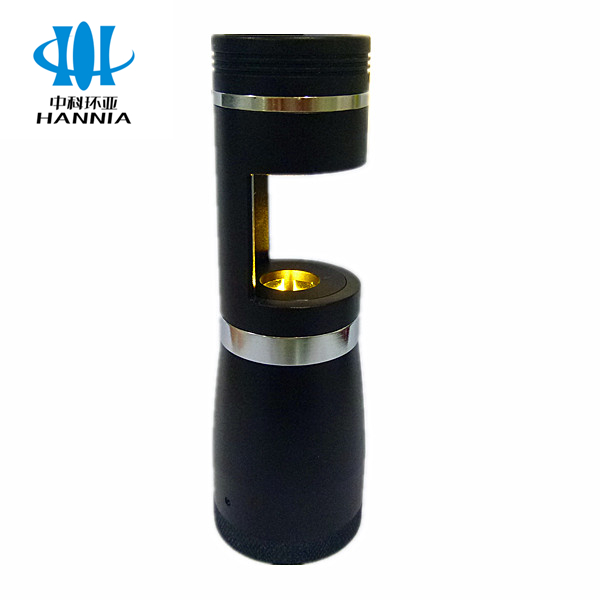
Magnifiers
Source professional-grade magnifiers from vetted manufacturers and trusted suppliers. Designed for importers, wholesalers, distributors, and brands seeking OEM/ODM production, our network delivers reliable optical instruments in bulk. Ensure precision and clarity for your wholesale procurement needs.
Sourcing industrial and professional magnifiers requires balancing optical clarity with durable housing and, for illuminated models, reliable electrical components. Whether you are procuring inspection loupes for manufacturing environments or illuminated desktop magnifiers for laboratory use, the core challenge lies in verifying lens consistency and assembly quality across high-volume production runs.
Core Optical Specifications to Define
When negotiating with optical instrument manufacturers, vague requirements lead to inconsistent batches. You must specify exact parameters for the lens material, curvature, and housing.
| Material | Optical Clarity | Weight & Durability | Best Application |
|---|---|---|---|
| Crown Glass | Excellent, highly scratch-resistant | Heavy, prone to shattering on impact | Industrial inspection, laboratories |
| Optical Acrylic (PMMA) | Good, but requires anti-scratch coating | Lightweight, highly shatter-resistant | Handheld use, consumer tools |
| Polycarbonate | Fair, lower light transmission | Extremely durable and impact-resistant | Harsh industrial environments |
Diopter vs. Magnification
A common point of confusion in bulk procurement is the interchangeable use of diopter and magnification. Ensure your supplier uses the standard industry formula: Magnification = (Diopter / 4) + 1. A 3-diopter lens provides 1.75x magnification, while a 5-diopter lens provides 2.25x. Specifying both the diopter and the focal length in your purchase order prevents costly misunderstandings.
Struggling to find a manufacturer capable of consistent optical clarity at scale? Let us connect you with vetted factories equipped for precision lens grinding.
Talk to our teamManufacturing Quality Control
The manufacturing floor is where optical quality is either secured or lost. Poorly maintained injection molds for acrylic lenses or rushed grinding processes for glass lenses introduce severe aberrations.
Implementing rigorous quality control and inspection protocols is non-negotiable. Inspectors should evaluate batches under standardized lighting conditions to catch the following common defects:
Critical Pre-Shipment Inspection Checks
- Lens Aberration: Check for spherical and chromatic aberrations at the lens edges.
- Surface Inclusions: Inspect for microscopic bubbles, dust, or scratches trapped under protective coatings.
- Illumination Consistency: For LED models, verify color temperature (e.g., 6000K daylight) and ensure no flickering.
- Articulating Joints: Test spring-loaded arms and hinges for tension retention over repeated cycles.
- Electrical Safety: Verify CE, RoHS, or UL compliance for power adapters on illuminated models.
OEM/ODM Customization Capabilities
For brands looking to differentiate their product lines, optical manufacturers offer extensive OEM/ODM services. Customization typically involves modifying the housing design, integrating specialized lighting (such as UV LEDs for counterfeit detection or polarized light for surface inspection), and applying custom anti-reflective (AR) or anti-fog coatings to the lenses.
When developing a custom mold for a proprietary housing, ensure you establish clear ownership of the tooling in your manufacturing agreement.
Typical MOQs, Pricing Drivers, and Lead Times
Pricing in the magnifier category is heavily dictated by lens size, material purity, and the complexity of the articulating arm or housing.
Conducting comprehensive factory audits before placing large orders is highly recommended. You need to verify that the supplier actually grinds their own glass or injects their own acrylic, rather than simply assembling components purchased from sub-tier suppliers with zero traceability.
Need help navigating custom tooling agreements or negotiating MOQs? We manage the entire sourcing process to protect your margins and product quality.
Get a free consultationFrequently Asked Questions
Procuring high-quality optical instruments in bulk requires strict attention to material science and mechanical assembly. By locking in precise specifications early and enforcing rigorous inspection standards, you can secure reliable products that meet professional demands.
Get Sourcing Help for Magnifiers
Tell us your requirements and our experts will connect you with verified manufacturers.