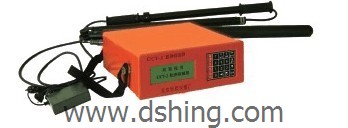
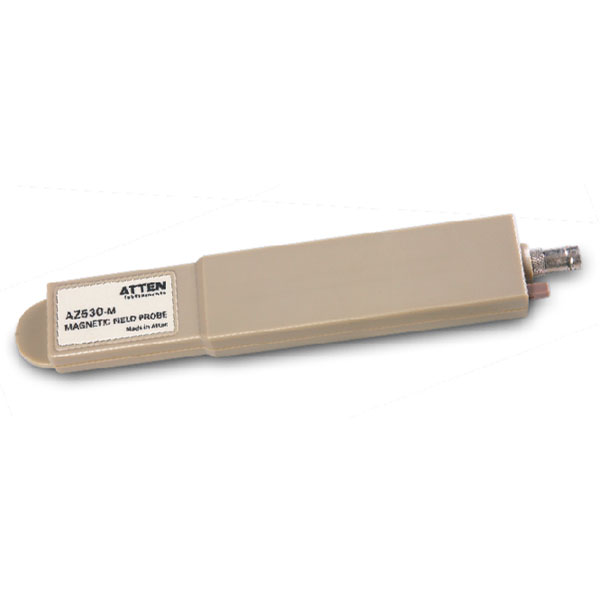
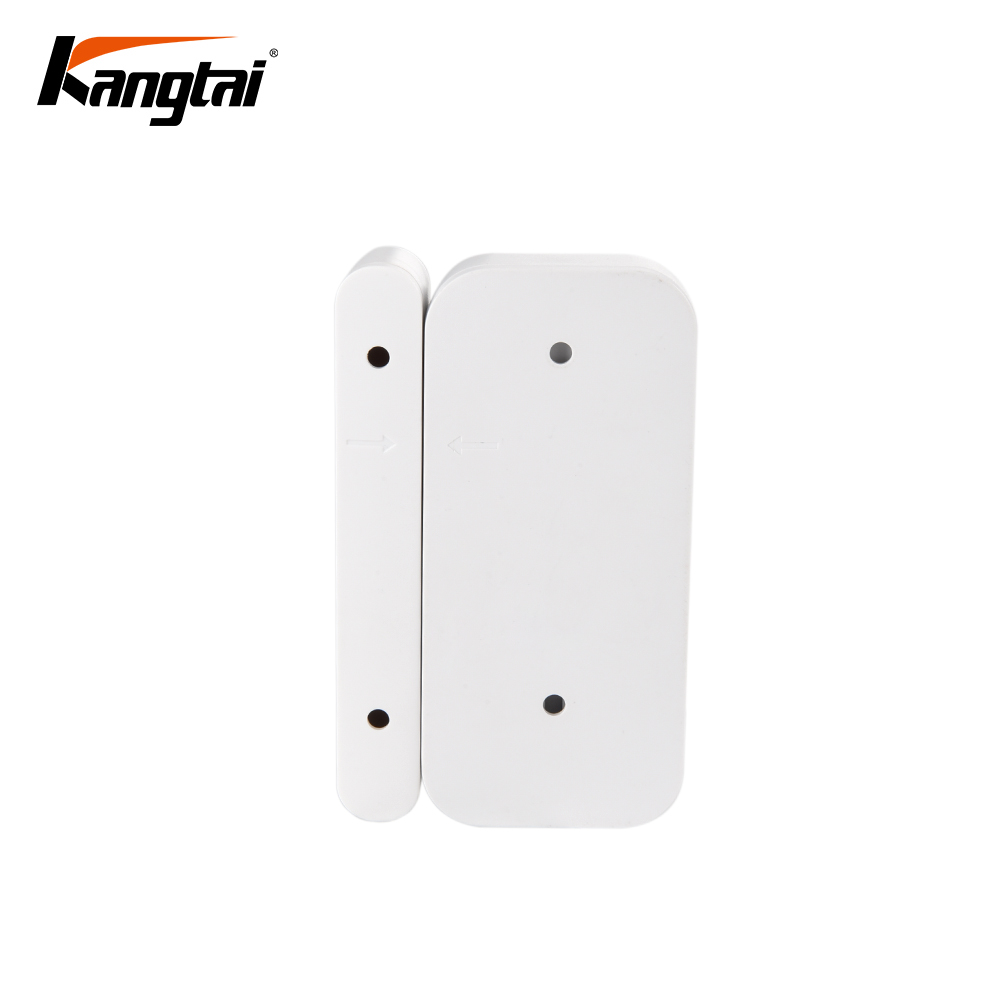
Magnetic Sensors
Source high-precision magnetic sensors from vetted manufacturers and suppliers in Asia. Built for importers, electronics wholesalers, and brands requiring reliable OEM production, our network delivers bulk volume components tailored for automotive, industrial, and consumer electronics applications.
Sourcing magnetic sensors at scale requires balancing sensitivity tolerances with thermal stability and unit cost. Whether you are procuring standard Hall-effect ICs for consumer electronics or high-precision TMR (Tunneling Magnetoresistance) sensors for industrial automation, the core procurement challenge is ensuring batch-to-batch consistency across millions of units. A minor deviation in a factory's wafer fabrication or encapsulation process can lead to thermal drift or premature field failure in the final application.
Core Specifications for Volume Procurement
When negotiating with magnetic sensor manufacturers, your Bill of Materials (BOM) and RFQ must define strict parameters. Suppliers often quote based on standard consumer-grade components unless industrial or automotive tolerances are explicitly demanded.
- Sensitivity and Magnetic Range: Define the exact operating point (Bop) and release point (Brp) in Gauss or milliTesla (mT). Specify the acceptable hysteresis window.
- Operating Temperature Range: Consumer grades typically operate from -20°C to 85°C. Industrial and automotive applications demand -40°C to 125°C or even 150°C. High-temperature applications require specific silicon doping and robust packaging to prevent thermal runaway.
- Power Consumption: For battery-operated IoT devices, specify ultra-low power or micro-power sensors (drawing under 5 microamps).
- Package Type: Standardize the footprint for your PCB assembly. Common packages include SOT-23, TO-92S, and SOP-8. Ensure the supplier provides standard tape-and-reel packaging compatible with high-speed SMT pick-and-place machines.
| Sensor Technology | Sensitivity | Power Consumption | Typical Application |
|---|---|---|---|
| Hall Effect | Moderate | Moderate | Position/Speed sensing, consumer electronics |
| AMR (Anisotropic) | High | High | Electronic compasses, precision linear measurement |
| TMR (Tunneling) | Very High | Ultra-Low | Battery-powered IoT, high-precision industrial |
Need help identifying a factory capable of producing high-precision TMR sensors at scale? We can match your technical requirements with vetted semiconductor packaging facilities.
Talk to our teamManufacturing Tolerances and Quality Control
The reliability of a magnetic sensor is heavily dependent on the backend packaging and testing processes. Many suppliers purchase raw wafers from major foundries and perform the dicing, wire bonding, and encapsulation in-house. This is where quality is won or lost.
Mechanical stress during the plastic injection molding phase (encapsulation) can alter the piezoelectric properties of the silicon, shifting the sensor's magnetic characteristics. Poor wire bonding can lead to open circuits under thermal cycling.
To mitigate these risks, rigorous quality control protocols must be established before shipment.
Critical Factory Verification Points
- Verify the presence of automated Helmholtz coil testing stations for 100% magnetic parameter sorting.
- Ensure the factory performs regular thermal shock and thermal cycling tests on sample batches.
- Check for AEC-Q100 compliance if sourcing for automotive applications.
- Confirm that tape-and-reel packaging processes include automated optical inspection (AOI) for bent leads or package defects.
If you are developing custom sensor modules or require specific pinouts, leveraging OEM/ODM services allows you to define the exact lead frame and molding compound used, ensuring compatibility with your specific operating environment. Conducting thorough factory audits is essential to verify that the supplier actually possesses the automated testing equipment they claim on their specification sheets.
Pricing, MOQs, and Lead Times
The magnetic sensor market is highly sensitive to global semiconductor supply chains. Understanding realistic production parameters helps in planning your inventory and cash flow.
For standard Hall-effect switches, prices are highly commoditized, often costing pennies per unit in high volumes. However, linear analog sensors or specialized TMR sensors command a significant premium. When negotiating, secure pricing based on annual volume commitments rather than single-order drops, and ensure your contract locks in the specific die revision to prevent silent substitutions by the factory.
Struggling with inconsistent sensor batches or long lead times? Let us audit your current supply chain and negotiate better terms with tier-one component manufacturers.
Get a free consultationFrequently Asked Questions
Securing a reliable supply of magnetic sensors is about more than finding the lowest unit price; it requires strict lifecycle management and deep visibility into the supplier's backend testing processes. By defining exact mechanical and thermal tolerances upfront and enforcing rigorous pre-shipment testing, you protect your final product from costly field failures.
Get Sourcing Help for Magnetic Sensors
Tell us your requirements and our experts will connect you with verified manufacturers.