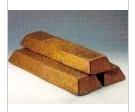
Magnesium Ingots
Source premium Magnesium Ingots from vetted suppliers and manufacturers. Designed for industrial importers, metal distributors, and procurement managers buying in bulk, our network delivers reliable purity and consistent supply for aluminum alloying, die-casting, and steel desulfurization.
Sourcing magnesium ingots at scale requires strict attention to chemical purity and supply chain stability. As a critical raw material for aluminum alloying, titanium sponge production, and steel desulfurization, even minor fluctuations in impurity levels can compromise the structural integrity of the final manufactured goods. The primary challenge for bulk buyers is securing consistent material grades while navigating the price volatility inherent to energy-intensive smelting processes.
Magnesium Ingot Grades and Chemical Specifications
The utility of a magnesium ingot is dictated entirely by its purity profile. Industrial applications demand specific minimum thresholds for magnesium (Mg) alongside strict maximum limits for impurities like iron (Fe), silicon (Si), copper (Cu), and nickel (Ni). Excessive iron or copper, for instance, dramatically reduces the corrosion resistance of magnesium alloys.
When negotiating with smelters, you must specify the exact grade required for your application rather than asking for "pure magnesium."
| Grade Specification | Min. Mg Content | Max Iron (Fe) | Primary Industrial Application |
|---|---|---|---|
| Mg99.90 | 99.90% | 0.04% | General aluminum alloying, desulfurization |
| Mg99.95 | 99.95% | 0.01% | High-grade die-casting, titanium reduction |
| Mg99.98 | 99.98% | 0.005% | Aerospace components, specialized alloys |
Impurity Tolerances
Always verify the nickel (Ni) content. In high-performance die-casting, nickel levels must often remain under 0.001%. High nickel content accelerates galvanic corrosion in the finished alloy.
Manufacturing Process and Defect Control
The vast majority of global magnesium ingot production relies on the Pidgeon process (silicothermic reduction of dolomite). While this method is highly scalable, it requires rigorous process control at the factory level. Temperature fluctuations during the vacuum reduction phase or improper handling during casting can introduce critical defects.
Before committing to a high-volume contract, evaluating the smelter's operational standards is essential. Utilizing professional Factory Audits ensures your chosen supplier maintains the necessary environmental controls, vacuum retort maintenance schedules, and laboratory testing equipment.
Common Quality Issues to Monitor
- Surface Oxidation: Magnesium is highly reactive. Ingots should have a bright, silvery metallic luster. Dull, dark, or heavily oxidized surfaces indicate poor cooling environments or inadequate storage.
- Slag Inclusions: Non-metallic inclusions trapped within the ingot during pouring can cause weak points and ruin the melt quality for end-users.
- Porosity: Gas bubbles trapped during solidification reduce the actual weight and density of the shipment, throwing off alloying calculations.
Need to secure a reliable supply of high-purity magnesium? Our team connects you with vetted smelters and manages the entire procurement process.
Discuss your sourcing requirementsTo mitigate these risks, implementing strict Quality Control & Inspection protocols before loading is non-negotiable. Pre-shipment inspections should include visual checks for oxidation, weight verification, and independent laboratory spectrographic analysis to confirm the chemical certificate of analysis (COA).
Bulk Pricing, MOQs, and Lead Times
Magnesium ingot pricing is notoriously volatile. Because the Pidgeon process is highly energy-intensive and relies heavily on ferrosilicon as a reducing agent, ingot prices are directly tied to the costs of coal and ferrosilicon, as well as regional environmental regulations affecting smelter operating hours.
Packaging and Logistics
Proper packaging is vital to prevent oxidation and moisture damage during ocean transit. Ingots are typically strapped with steel bands onto wooden or magnesium pallets, wrapped in thick plastic film, and secured.
When planning your procurement, factor in the logistics of moving a hazardous-classified material (depending on the exact form and shipping regulations, though solid ingots are generally safer than powders, they still require specialized handling). Coordinating this through integrated Supply Chain Management ensures your material clears customs without costly delays.
Optimize your metal procurement. We handle supplier negotiation, quality verification, and international logistics for bulk buyers.
Talk to our teamFrequently Asked Questions
Navigating the magnesium ingot market requires a balance of metallurgical knowledge and supply chain foresight. By partnering with audited smelters and enforcing rigorous pre-shipment testing, industrial buyers can secure the consistent purity and volume necessary to keep their production lines running smoothly.
Get Sourcing Help for Magnesium Ingots
Tell us your requirements and our experts will connect you with verified manufacturers.