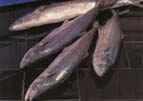
Mackerel
Source premium bulk mackerel directly from vetted suppliers and seafood processors. Designed for importers, wholesalers, distributors, and brands seeking reliable OEM production, our network delivers consistent quality, strict cold-chain compliance, and competitive wholesale pricing.
Sourcing bulk mackerel requires navigating a complex global supply chain where species selection, catch season, and freezing protocols dictate the final quality. Whether you are procuring frozen whole round mackerel for commercial canning, HGT (headed, gutted, tailed) for regional distribution, or private-label fillets, securing a reliable supply demands strict attention to processing timelines and cold-chain integrity.
Key Specifications: Species, Sizing, and Presentation
The commercial mackerel market is dominated by two primary species, each with distinct fat profiles and optimal end-uses. Specifying the correct species and size grade is the first step in aligning factory output with your market requirements.
| Specification | Atlantic Mackerel (Scomber scombrus) | Pacific/Chub Mackerel (Scomber japonicus) |
|---|---|---|
| Fat Content | High (often over 20% in autumn) | Moderate (typically 7% to 15%) |
| Primary Uses | Smoking, high-end canning, direct consumption | Commercial canning, bait, regional markets |
| Origin | North Atlantic (Norway, Scotland, Ireland) | Pacific Ocean (China, Japan, South America) |
| Typical Sizing (WR) | 300-500g, 400-600g+ | 100-200g, 200-300g, 300-500g |
When defining your order, presentation is just as critical as the species. Whole Round (WR) is standard for processing facilities, while HGT and fillets require secondary processing at the origin, increasing labor costs but reducing shipping weight.
Need help identifying the right species and processing specs for your market? Our sourcing experts can match your requirements with capable, audited seafood processors.
Discuss your sourcing requirementsProcessing and Quality Control Standards
Mackerel is a scombroid fish, making it highly susceptible to histamine development if temperature controls fail between the catch and the freezing process. Quality control must begin on the vessel and continue through processing.
Histamine Risk Management
Histamine (scombroid) poisoning is the primary regulatory risk for imported mackerel. Factories must demonstrate rapid chilling (using refrigerated seawater or slurry ice) immediately upon catch. Histamine levels must test well under 50 ppm to clear FDA and EU import regulations.
To ensure compliance, rigorous Quality Control & Inspection is non-negotiable. Look for suppliers with verifiable HACCP plans and, where applicable, MSC (Marine Stewardship Council) certification for sustainability.
Pre-Shipment Inspection Checklist for Frozen Mackerel
- Histamine testing via accredited third-party laboratories
- Core temperature verification (must be maintained at or below -18°C / 0°F)
- Glazing percentage verification (weighing before and after thawing)
- Visual inspection for freezer burn, yellowing (lipid oxidation), or physical damage
- Parasite checks (e.g., Anisakis) in fillet presentations
Freezing Methods and Glazing
The freezing method impacts both product integrity and processing speed. Sea-frozen mackerel is frozen whole on factory vessels shortly after catch, preserving optimal freshness and minimizing histamine risks. Land-frozen mackerel is chilled on vessels and processed at onshore facilities, which allows for value-added processing (like HGT or filleting) but requires a highly efficient cold chain.
Glazing—a protective layer of ice applied to the fish—prevents dehydration and freezer burn during transit. Standard commercial glazing for bulk mackerel ranges from 5% to 10%. Ensure your contract explicitly states whether pricing is based on gross weight or net weight (compensating for the glaze), as this drastically impacts your landed cost per kilogram.
Typical MOQs, Pricing, and Lead Times
Seafood sourcing is highly seasonal, and bulk mackerel pricing fluctuates based on catch quotas, fuel costs, and global demand.
Because bulk mackerel requires specialized temperature-controlled logistics, coordinating Shipping & Freight early is vital. Reefer container availability can tighten during peak harvest seasons (typically autumn and winter, depending on the hemisphere), which can delay shipments and increase freight rates.
Ready to lock in seasonal volumes? Speak with our team to get current wholesale pricing, verify factory certifications, and secure reefer allocations.
Get current pricingFrequently Asked Questions
Securing a reliable supply of bulk mackerel is about more than negotiating the lowest price per metric ton. It requires a deep understanding of catch seasons, rigorous temperature management, and vigilant quality control to prevent costly rejections at the port of entry. Aligning with audited processors who prioritize cold-chain integrity ensures your inventory arrives compliant, safe, and ready for market.
Get Sourcing Help for Mackerel
Tell us your requirements and our experts will connect you with verified manufacturers.