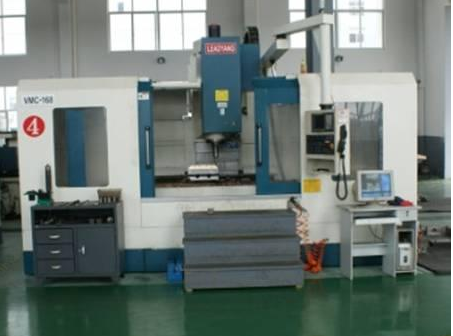
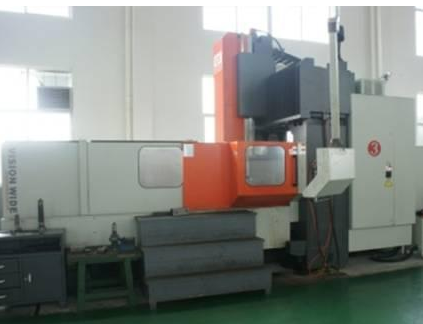
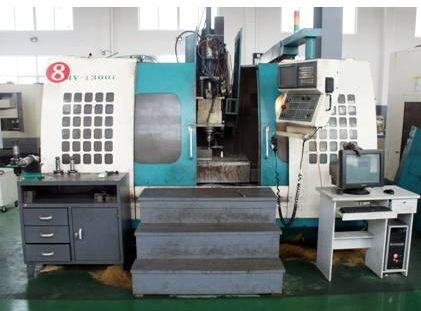
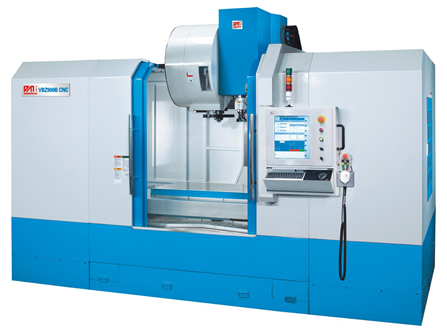
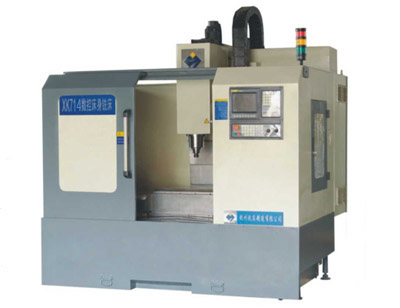
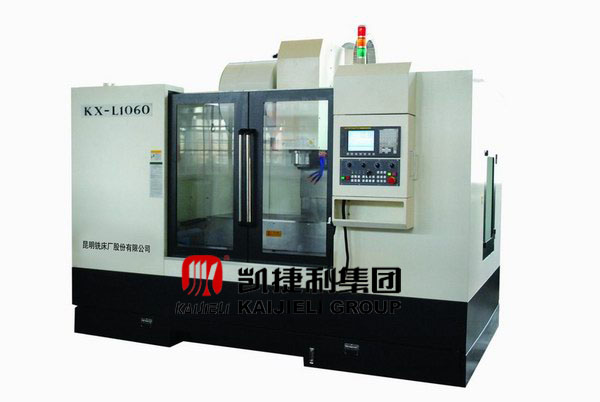
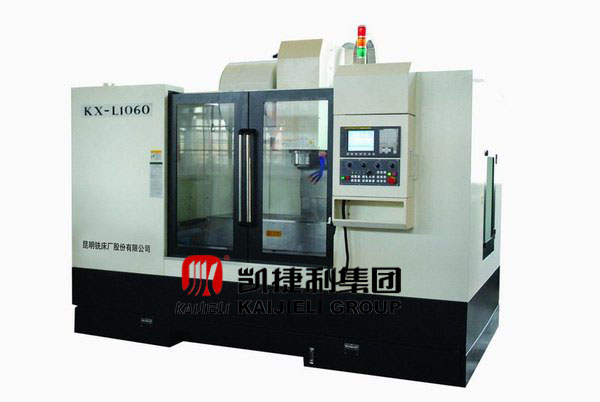
Machining Centres
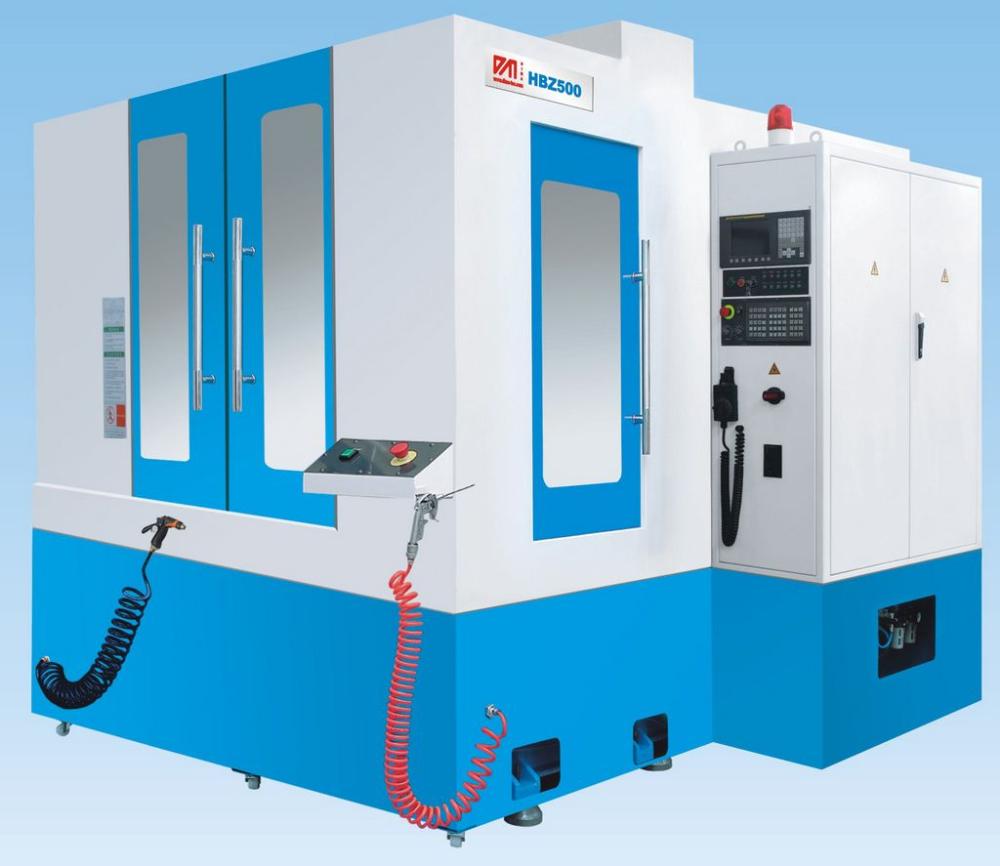
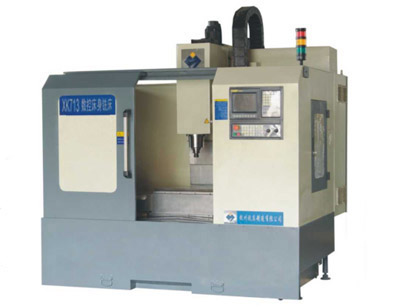
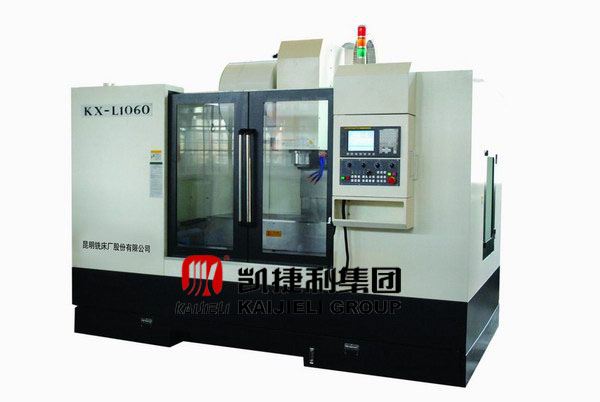
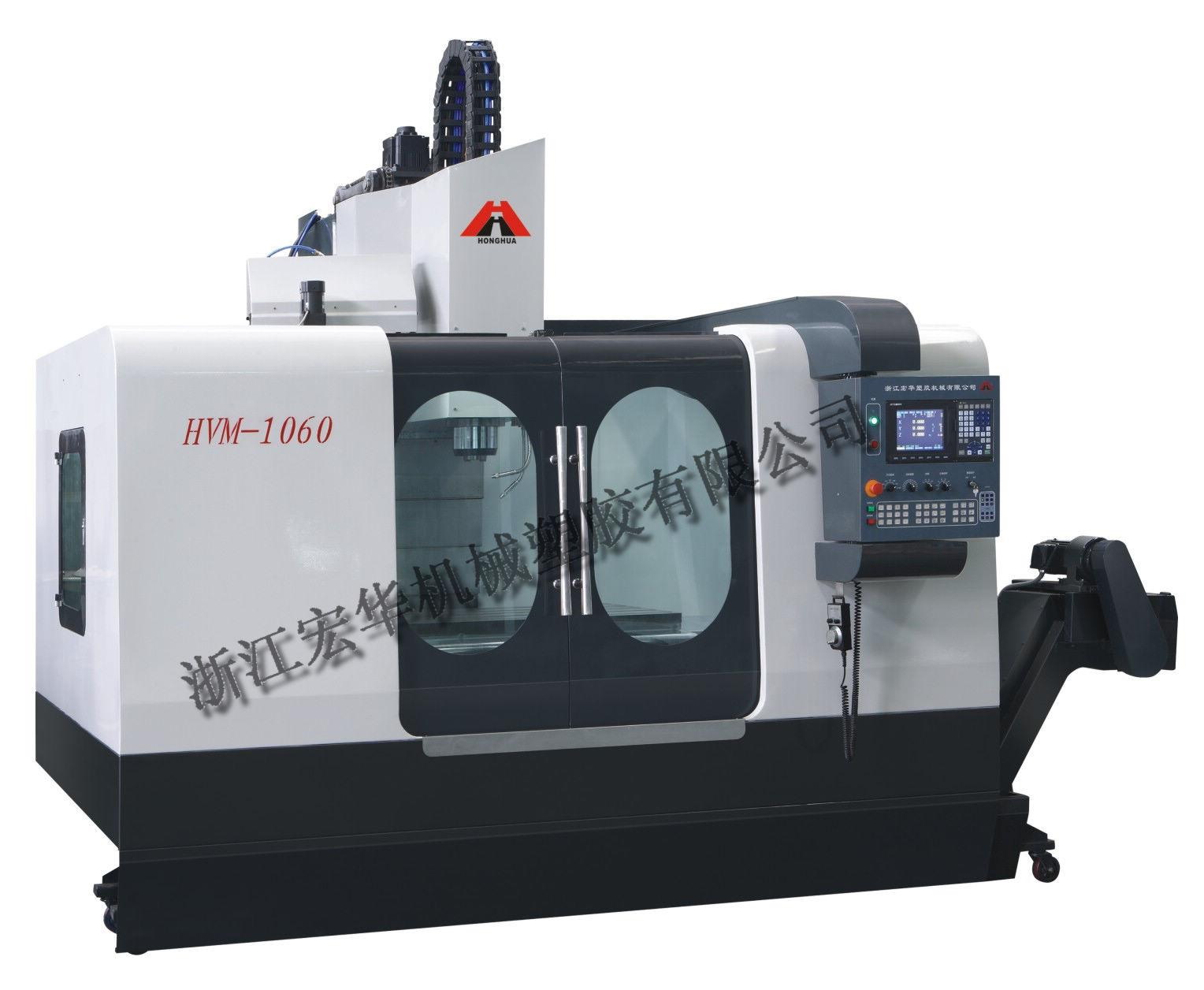
Source industrial-grade machining centres from vetted manufacturers and suppliers across Asia. Designed for equipment distributors, procurement managers, and heavy-industry importers looking for reliable wholesale purchasing or custom OEM configurations. Secure competitive pricing on vertical, horizontal, and 5-axis CNC systems.
Procuring industrial machining centres from overseas manufacturers requires a strict balance of capital efficiency, geometric precision, and long-term reliability. Whether you are outfitting a high-volume production facility or importing machinery for regional distribution, the difference between a high-yield asset and a maintenance liability lies entirely in component selection, casting quality, and rigorous pre-shipment verification.
When sourcing these complex systems in bulk, buyers must look past the spec sheet and scrutinize the builder's supply chain, assembly environment, and testing protocols.
Core Architectural Specifications
The mechanical foundation of a machining centre dictates its rigidity, speed, and overall lifespan. Buyers must specify their requirements clearly to ensure the factory builds a machine suited to the end-user's application.
Guideway Selection
The choice of guideways impacts both the machine's capability and its cost.
| Guideway Type | Best Application | Speed & Feed | Rigidity |
|---|---|---|---|
| Linear Guideway (Roller/Ball) | High-speed light to medium milling | High | Moderate |
| Box Way (Hardened & Ground) | Heavy cutting, hard metals, interrupted cuts | Moderate | Maximum |
Spindle and ATC Configurations
- Spindle Drive: Belt-driven spindles offer high torque at lower RPMs for heavy material removal. Direct-drive spindles reduce vibration, allowing for higher RPMs (typically 12,000 to 15,000 RPM) and superior surface finishes. Motorized (built-in) spindles are required for ultra-high-speed applications (over 20,000 RPM) and 5-axis contouring.
- Automatic Tool Changer (ATC): Swing-arm (cam-type) ATCs are the industry standard for fast, reliable tool changes. Umbrella-type ATCs are cheaper but significantly slower and more prone to debris interference.
Sourcing complex CNC machinery? Let our engineering team handle the technical vetting and supplier negotiation.
Discuss your technical requirementsComponent Sourcing and Manufacturing Quality
A machining centre is an integration of a cast-iron frame and high-precision imported components. The quality of the final product depends on how well the factory manages both.
Casting Quality and Aging
The machine bed, column, and saddle must be poured from high-tensile cast iron (such as HT300 or Meehanite). More importantly, the castings must undergo proper stress relief—either natural aging (left outdoors for months) or thermal annealing. Without this, the casting will warp over time, permanently destroying the machine's geometric accuracy.
CNC Control Systems
While the mechanical base may be manufactured in mainland China or Taiwan, the "brain" of the machine should align with your local market's service capabilities. Specifying controllers from Fanuc, Siemens, or Mitsubishi ensures that end-users have access to local technicians and replacement parts. Taiwanese controllers like Syntec or LNC offer excellent cost-to-performance ratios for less demanding applications.
Verifying a manufacturer's claims remotely is risky. Conducting thorough factory audits before placing a deposit ensures the supplier actually machines their own castings in a temperature-controlled environment rather than just assembling purchased parts in an uncontrolled warehouse.
Pre-Shipment Inspection Protocols
Never ship a machining centre without verifying its geometric and positioning accuracy on the factory floor.
Critical Pre-Shipment Verifications
- Laser Interferometer Testing: Verify positioning accuracy and repeatability across the full travel of X, Y, and Z axes.
- Ball-Bar Testing: Check for backlash, servo mismatch, and geometric errors during circular interpolation.
- Spindle Runout: Measure runout at the spindle nose and at a 300mm test bar distance.
- Continuous Cycle Test: Run the ATC and spindle through continuous cycles for 48 hours to identify thermal growth or software faults.
- Coolant and Lubrication: Inspect all way-lube lines and high-pressure coolant seals for leaks.
Implementing strict quality control & inspection protocols ensures you receive the original test charts and that the machine meets international ISO or VDI/DGQ standards before it is crated.
Buying Mechanics: Pricing, Lead Times, and MOQ
Purchasing heavy machinery involves different commercial terms than standard consumer goods.
- Pricing Drivers: The cost of a machining centre is heavily influenced by the axis travels, the brand of the linear guideways (e.g., THK, HIWIN), the spindle type, and the CNC controller.
- MOQ and Freight Optimization: While the MOQ is typically one unit, ordering in pairs often allows you to optimize container space (fitting two standard VMCs in a 40HQ container), drastically reducing the per-unit shipping cost.
Need help negotiating terms, optimizing container loads, and managing the logistics for heavy machinery?
Get a freight and sourcing quoteShipping and Logistics for Heavy Machinery
Shipping CNC equipment requires specialized handling to prevent transit damage and corrosion. Machines must be coated in thick anti-rust agents, sealed in vacuum foil with desiccants, and bolted securely to heavy-duty steel or treated-timber skids.
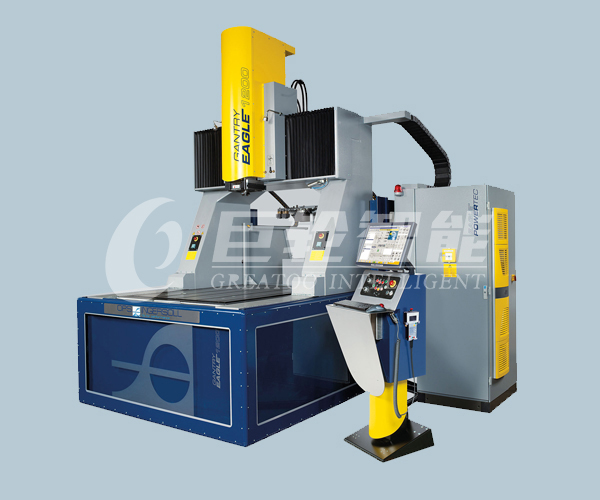
Depending on the machine's Z-axis height and overall weight, standard containers may not suffice. Large horizontal or double-column machining centres often require open-top containers or flat racks, necessitating precise center-of-gravity lashing. Coordinating this through experienced shipping and freight partners is essential to ensure the equipment arrives in pristine condition.
Frequently Asked Questions
Sourcing machining centres is fundamentally an exercise in technical risk management. By specifying the right internal components, demanding rigorous testing documentation, and controlling the logistics chain, buyers can secure industrial-grade precision at highly competitive wholesale margins.
Get Sourcing Help for Machining Centres
Tell us your requirements and our experts will connect you with verified manufacturers.