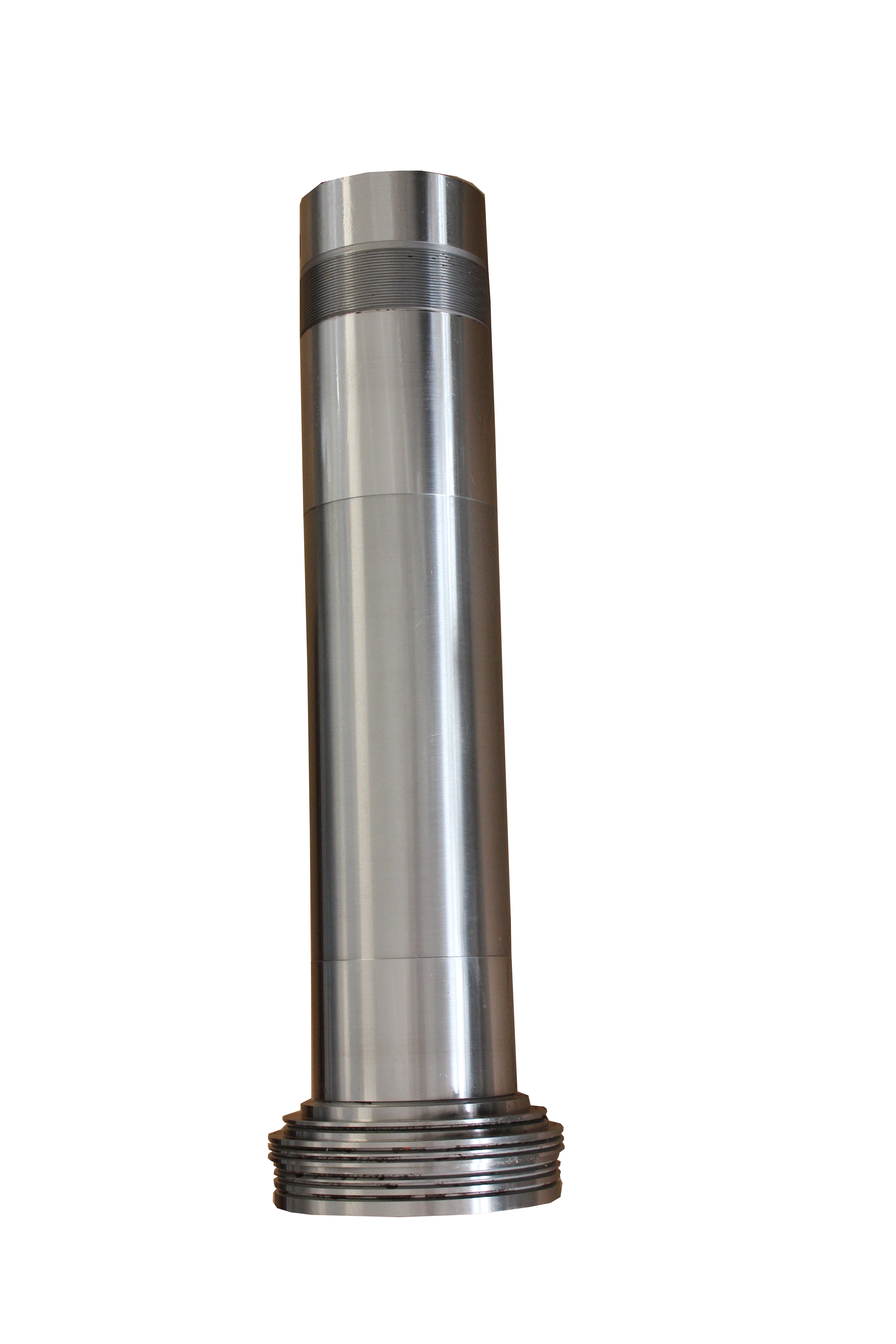
Machine Tool Spindle
Source high-performance machine tool spindles directly from vetted manufacturers and suppliers. Designed for industrial importers, distributors, and equipment brands seeking reliable bulk purchasing and custom OEM production. Secure competitive wholesale pricing on precision spindles engineered for demanding machining applications.
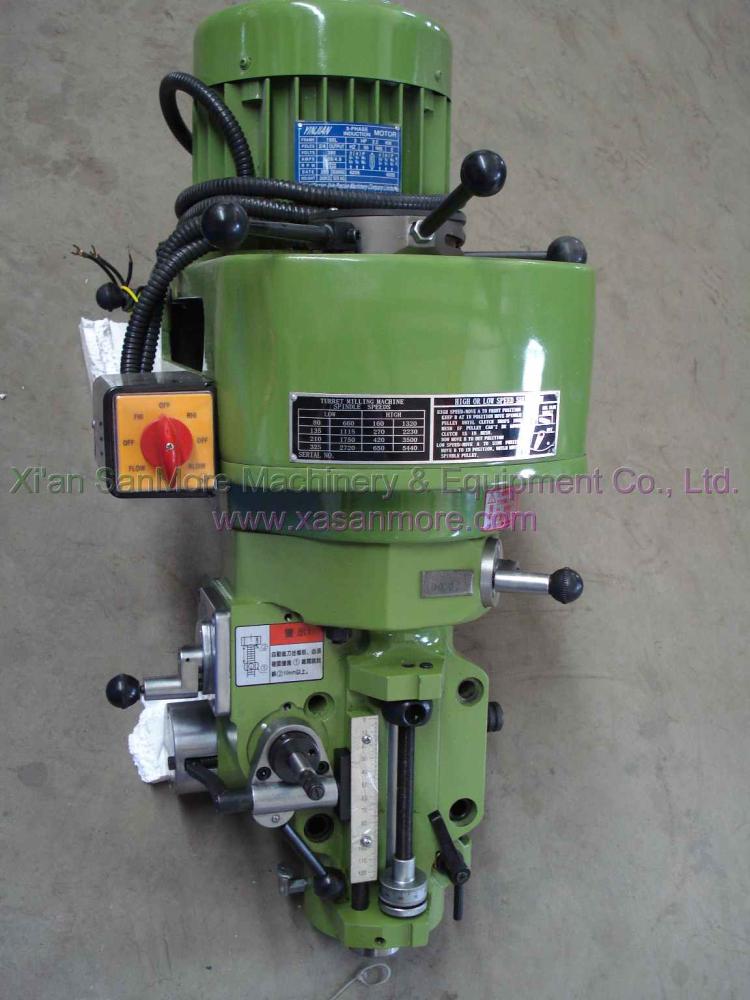
Sourcing machine tool spindles requires balancing extreme precision requirements with cost-effective manufacturing at scale. Whether you are procuring belt-driven spindles for heavy milling or high-frequency motorized spindles for precision CNC routing, the core challenge remains the same: ensuring the factory's machining tolerances and bearing assembly processes meet rigorous industrial standards without overpaying for the required performance tier.
Critical Specifications for Factory Communication
When negotiating with spindle manufacturers, vague requirements lead to early bearing failure and unacceptable runout. You must define the exact performance envelope and internal components, as these drive both the capability and the cost of the unit.
- Rotational Speed (RPM) and Power: Specify continuous vs. peak power (kW) and the maximum safe operating RPM. High-speed applications (over 24,000 RPM) require completely different bearing architectures than high-torque, low-speed applications.
- Tool Interface (Taper): Clearly define the taper standard (e.g., BT30, BT40, ISO30, HSK63F). HSK tapers require tighter manufacturing tolerances from the factory due to their dual-contact nature.
- Cooling Mechanism: Air-cooled spindles are simpler but prone to thermal expansion under heavy loads. Water-cooled spindles offer better thermal stability but require external chillers.
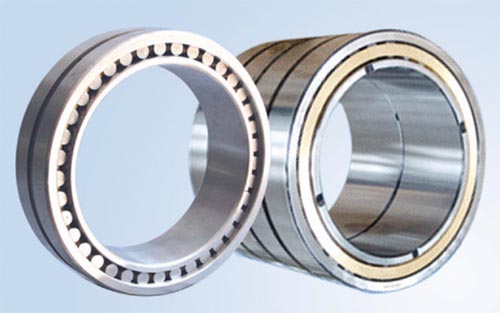
- Bearing Configuration: The brand and material of the bearings (steel vs. ceramic angular contact) dictate the spindle's lifespan. Chinese manufacturers frequently offer domestic bearings as standard, with NSK, SKF, or FAG as premium upgrades.
Need help verifying a manufacturer's assembly environment and testing capabilities? Our sourcing engineers can evaluate their production lines for you.
Get a free consultation| Spindle Type | Typical RPM Range | Primary Application | Cost Driver |
|---|---|---|---|
| Belt-Driven | Up to 12,000 | Heavy CNC Milling / Turning | Pulley balance & housing rigidity |
| Gear-Driven | Under 6,000 | High-torque roughing | Gearbox precision & lubrication |
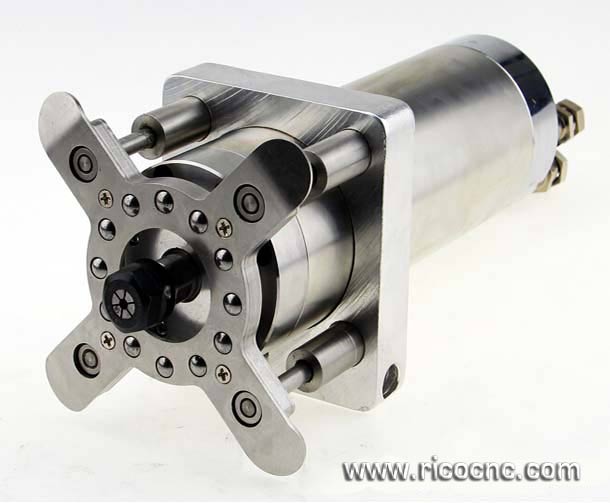
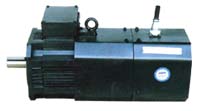
| Motorized (Electro-spindle) | 12,000 to 60,000+ | High-speed routing / grinding | Stator quality & ceramic bearings |
Manufacturing Quality and Defect Prevention
A spindle is only as good as the environment in which it is assembled. Bearings must be installed in climate-controlled, dust-free rooms. If a supplier lacks a clean room, premature bearing failure is almost guaranteed due to micro-contamination.
Conducting thorough Factory Audits is essential to verify that a supplier actually possesses the required dynamic balancing machines and runout testing rigs, rather than simply outsourcing the final assembly to a lower-tier workshop.
Key Factory Quality Control Checks
- Dynamic Balancing: Must be balanced to ISO 1940 standards (typically G0.4 or G1.0 for high speed).
- Static and Dynamic Runout (TIR): Should be tested at the taper cone and test bar (typically under 0.002mm).
- Thermal Run-in Testing: Spindles must be run at incremental speeds to monitor temperature rise and bearing seating.
- Pull Force Testing: For automatic tool change (ATC) spindles, the broach mechanism's retention force must be verified.
- Insulation Resistance: Motorized spindles require stator insulation testing to prevent electrical shorts.
If you are developing a proprietary machine tool, utilizing OEM/ODM Services allows you to customize housing dimensions, mounting flanges, and encoder integrations. Ensure the factory provides full CAD models and thermal dissipation simulations before cutting metal.
Pricing, MOQs, and Lead Times
Spindle pricing is highly modular. A base motorized spindle might cost a few hundred dollars, while the same unit equipped with imported ceramic bearings, a high-resolution encoder, and an HSK taper can cost thousands.
Minimum Order Quantities (MOQs) are generally highly flexible in this category. High-end precision metalworking spindles can often be ordered in batches of 1 to 5 units. Standardized woodworking or glass-grinding spindles may have MOQs of 20 to 50 units to secure true wholesale pricing.
Lead times depend heavily on bearing availability. If you specify a specific European bearing brand that the factory does not hold in stock, lead times can extend significantly. Implementing professional Supply Chain Management ensures that long-lead components are procured early in the production cycle to prevent assembly delays.
Ready to negotiate pricing and secure reliable supply for your machine tool components? Let us handle the factory communication and quality assurance.
Talk to our teamBuyer FAQs
Securing reliable machine tool spindles is an exercise in verifying tolerances and assembly protocols. The most successful importers don't just negotiate on price; they negotiate on bearing origin, runout guarantees, and thermal testing procedures to ensure the final product performs flawlessly on the machine floor.
Get Sourcing Help for Machine Tool Spindle
Tell us your requirements and our experts will connect you with verified manufacturers.