Lumbar Pillows & Seat Cushions
Source premium lumbar pillows and seat cushions in bulk directly from vetted manufacturers and suppliers. Designed for importers, wholesalers, and brands seeking reliable OEM and private-label production, our network delivers consistent quality, strict chemical compliance, and scalable capacity for your ergonomic textile lines.
Sourcing ergonomic seating supports requires balancing material performance with strict chemical compliance. Whether you are developing orthopedic seat cushions or office-grade lumbar pillows, the core challenge lies in specifying the correct foam density, ensuring cover fabric durability, and verifying that the factory maintains consistent curing processes to prevent premature flattening and off-gassing issues.
Core Specifications: Foam Density and ILD
The defining characteristic of any lumbar pillow or seat cushion is its internal core. Relying on generic terms like "memory foam" on your purchase order will result in inconsistent batches. Professional buyers must specify both density (measured in kg/m³) and Indentation Load Deflection (ILD), which measures the foam's firmness.
A standard seat cushion requires a higher density and ILD than a lumbar pillow, as it must support full body weight without bottoming out.
| Material Type | Typical Density | Best Application | Cost Profile |
|---|---|---|---|
| Standard Polyurethane | 25-35 kg/m³ | Entry-level chair pads | Low |
| Standard Memory Foam | 40-50 kg/m³ | Lumbar supports, backrests | Medium |
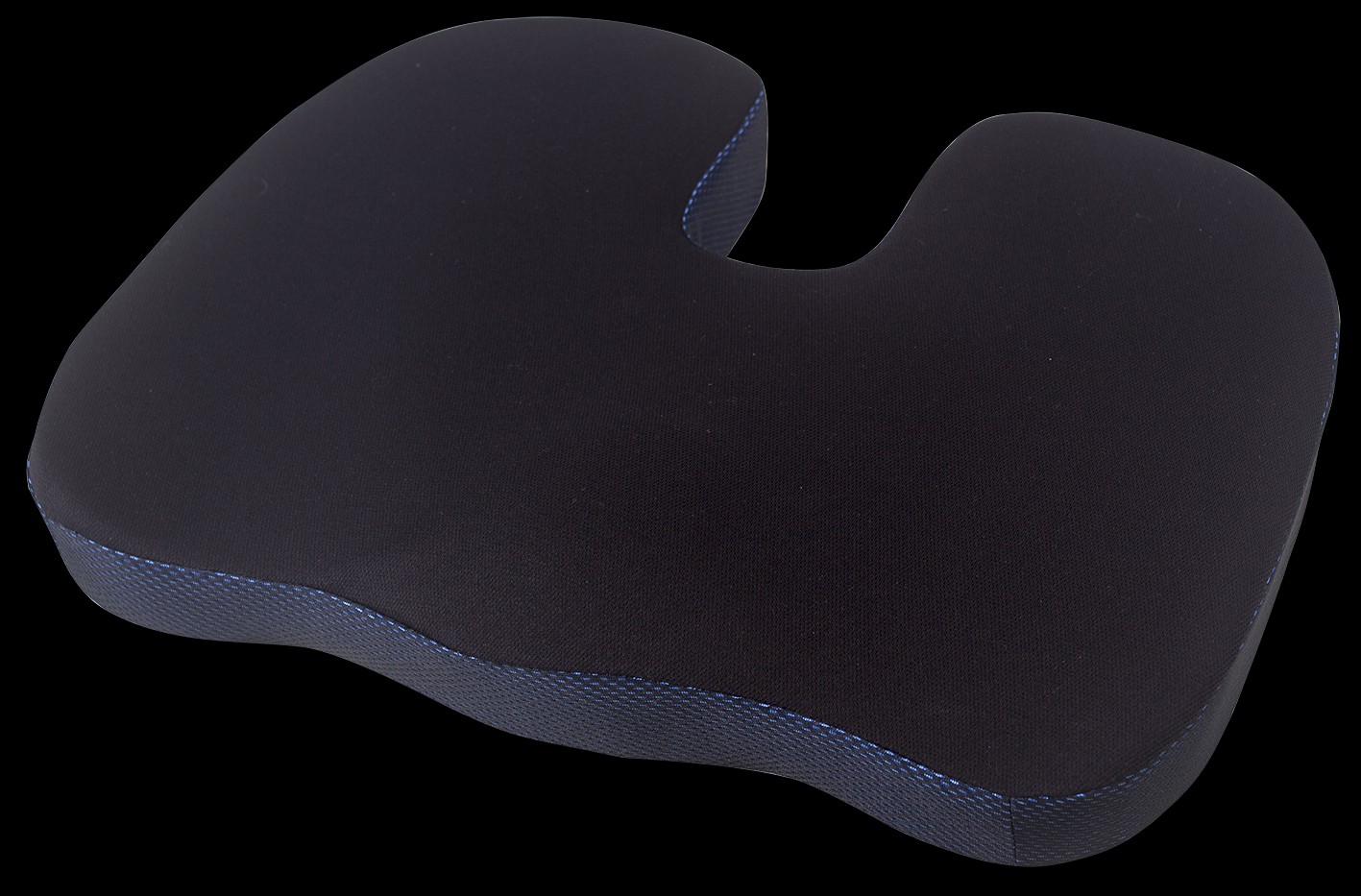
| High-Density Memory Foam | 55-70 kg/m³ | Premium seat cushions, orthopedic | High |
| Gel-Infused Memory Foam | 50-60 kg/m³ | Cooling seat cushions | Premium |
Struggling to lock down the exact foam specifications for your custom design? We can help you prototype and finalize the technical details.
Talk to our teamManufacturing Processes and Quality Control
High-quality ergonomic cushions are typically made using injection-molded foam rather than slab-cut foam. Molded foam develops a "skin" during the curing process, which significantly increases its lifespan and resistance to tearing.
However, molding introduces strict process requirements. If a factory rushes the curing time to increase output, the foam will suffer from severe off-gassing (releasing Volatile Organic Compounds, or VOCs) and may fail to expand correctly if vacuum-packed for shipping. Validating these factory-floor processes is critical, which is why rigorous Quality Control & Inspection must be conducted before the goods are compressed and packed.
Critical QC Checkpoints for Cushions
- Foam Recovery Time: Foam must return to its original shape within 3 to 5 seconds after compression.
- Cover Tolerances: Ensure the outer cover fits tightly without warping the foam core.
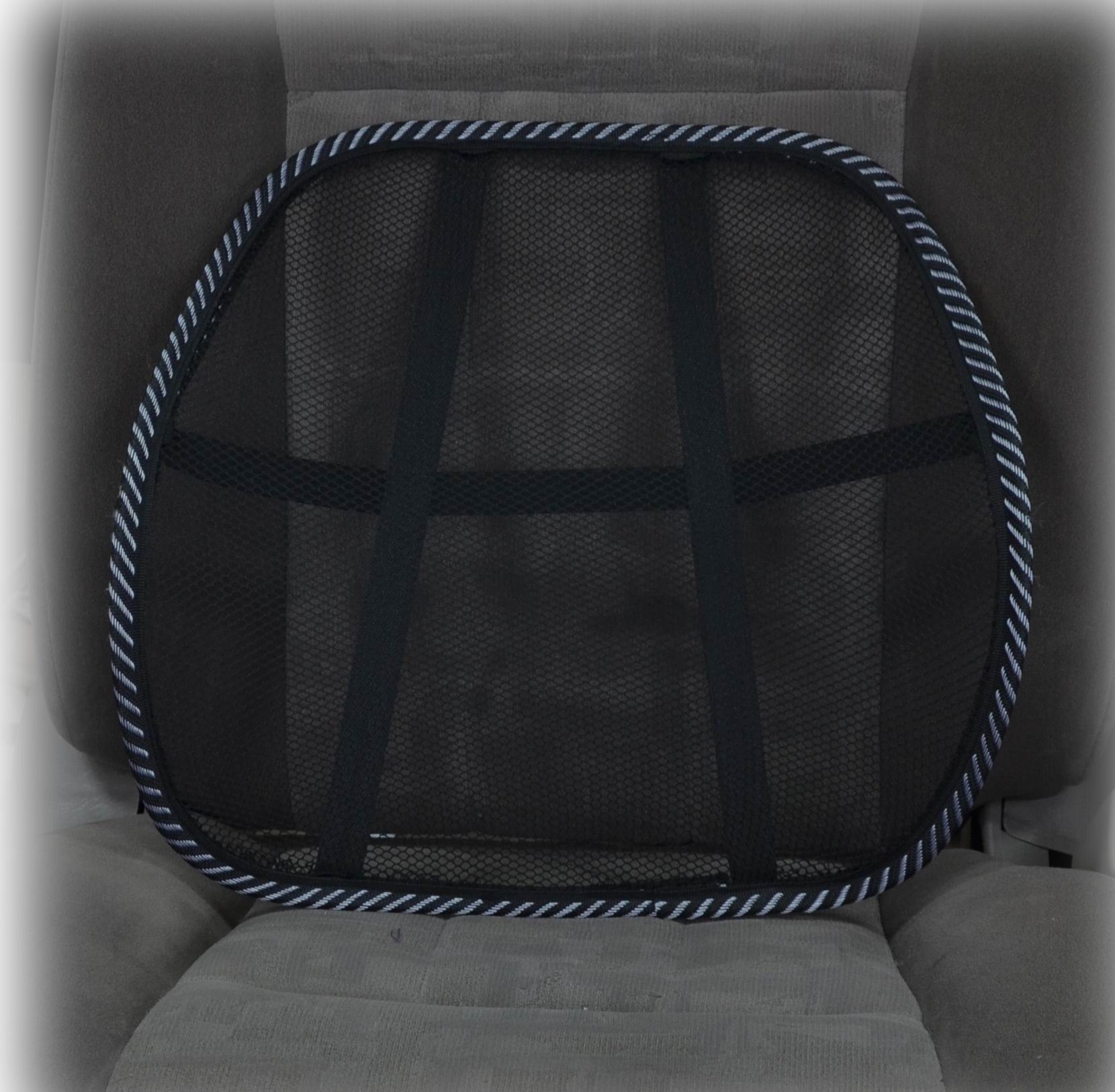
- Zipper Durability: Test hidden zippers for snagging against the inner mesh lining.
- Odor and VOCs: Verify that curing times were respected to minimize off-gassing.
- Stitching Integrity: Check for reinforced seams, particularly on models with securing straps.
Chemical Compliance and Certifications
In Western markets, chemical compliance is non-negotiable. Buyers must ensure the foam meets standards like REACH (in the EU) or Prop 65 (in California). Many buyers look for CertiPUR-US certification for polyurethane foams. Be aware that cut-and-sew factories often purchase foam blocks from secondary suppliers; you must verify the certification of the actual foam pourer, not just the assembly factory. Utilizing comprehensive Compliance & Testing services ensures your documentation holds up at customs.
Customization and OEM Production
For brands developing unique ergonomic shapes, OEM/ODM Services are the standard route. Creating a custom mold allows for precise contouring, such as coccyx cutouts or advanced lumbar curves.
Beyond the mold, the outer cover offers the primary branding real estate. High-wear applications require durable fabrics like 3D spacer mesh, velour, or high-GSM polyester blends. Branding is typically applied via woven tags, embroidery, or silicone heat transfers on the cover.
Pricing, MOQs, and Lead Times
Pricing in this category is highly dependent on foam density, the complexity of the cover, and whether the product includes value-add features like cooling gel pads or non-slip rubberized bottoms.
Need to negotiate better terms or lower MOQs for a new product launch? Let our sourcing experts evaluate your project.
Get a free consultationFrequently Asked Questions
Successfully sourcing lumbar pillows and seat cushions requires moving past superficial designs and drilling down into foam chemistry, density specifications, and factory-level curing processes. By treating the internal materials with as much scrutiny as the outer branding, you ensure a durable product that supports both your end-users and your brand's reputation.
Get Sourcing Help for Lumbar Pillows & Seat Cushions
Tell us your requirements and our experts will connect you with verified manufacturers.