Lubricants
Source premium lubricants from vetted manufacturers and wholesale suppliers across Asia. Designed for importers, industrial distributors, and brands seeking OEM or private-label production, our network delivers consistent quality for automotive, industrial, and specialized applications.
Sourcing bulk lubricants requires strict oversight of base oil purity and additive blending precision. Whether you are importing heavy-duty industrial gear oils or launching a private-label automotive motor oil, a slight deviation in the formulation can alter the viscosity index, reduce thermal stability, and lead to catastrophic mechanical failures for the end-user. Securing a reliable supply chain means vetting factories not just on their raw material costs, but on their blending technology, temperature control, and batch-to-batch consistency.
Base Oil Specifications and Formulations
The foundation of any lubricant is its base oil, which typically makes up 70 to 90 percent of the final product. Buyers must clearly specify the American Petroleum Institute (API) base oil group required for their application, as this dictates the product's fundamental performance characteristics and price point.
| Base Oil Group | Refining Method | Saturates | Typical Application |
|---|---|---|---|
| Group I | Solvent Refined | Under 90% | Basic industrial, older automotive |
| Group II | Hydrocracked | Over 90% | Standard automotive, commercial fleet |
| Group III | Severe Hydrocracked | Over 90% (High VI) | Synthetic motor oils, high-temp industrial |
| Group IV (PAO) | Chemical Synthesis | 100% | Premium synthetic, extreme temperature |
Beyond the base oil, the additive package—comprising anti-wear agents, detergents, dispersants, and viscosity modifiers—must be carefully matched to the base stock. When working with overseas suppliers, verifying the origin and quality of these additive packages is critical.
Ensure your lubricant formulations meet strict API and ASTM standards with our vetted factory network.
Talk to our teamManufacturing and Blending Quality
Quality in lubricant manufacturing is won or lost during the blending process. The factory must maintain precise temperature controls to ensure additives fully dissolve and disperse without degrading the base oil.
When evaluating a supplier's facility, pay attention to their blending kettles and piping infrastructure. Dedicated lines for different product families (e.g., avoiding cross-contamination between hydraulic fluids and engine oils) are a hallmark of a mature manufacturer. Implementing rigorous Quality Control & Inspection protocols before the product is drummed or loaded into flexitanks is essential to catch formulation errors early.
Critical Pre-Shipment Testing
Before authorizing a shipment, ensure the factory provides a Certificate of Analysis (COA) for the specific batch, tested against standard ASTM methods:
Key Batch Testing Parameters
- Kinematic Viscosity (ASTM D445) at 40°C and 100°C
- Viscosity Index (ASTM D2270) to verify temperature stability
- Flash Point and Pour Point to confirm safe operating ranges
- Total Base Number (TBN) or Total Acid Number (TAN) depending on the application
- Elemental analysis (ICP) to verify additive concentrations (Zinc, Phosphorus, Calcium)
For buyers requiring independent verification, engaging third-party Compliance & Testing services ensures the batch matches the agreed-upon technical data sheet (TDS) before it leaves the factory.
Sourcing Mechanics: MOQs, Packaging, and Lead Times
Lubricant pricing is highly volatile, tied directly to global crude oil indices and base oil market fluctuations. When negotiating with manufacturers, pricing is typically structured around the packaging format and the volume of the order.
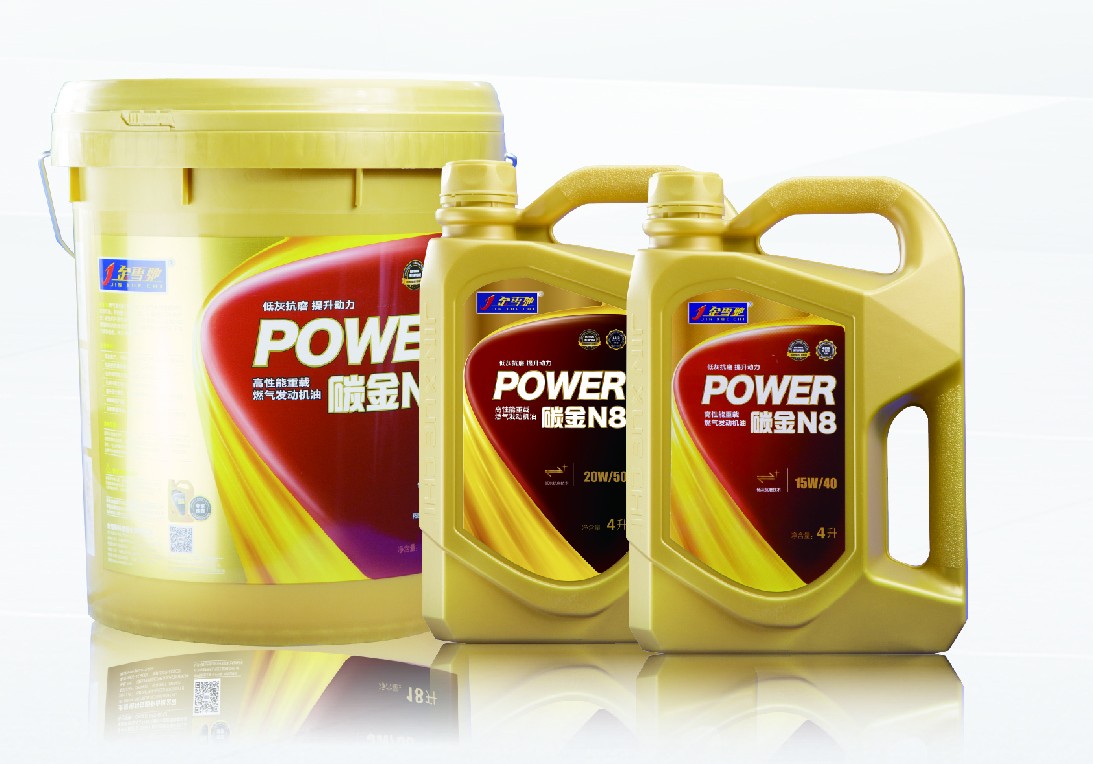
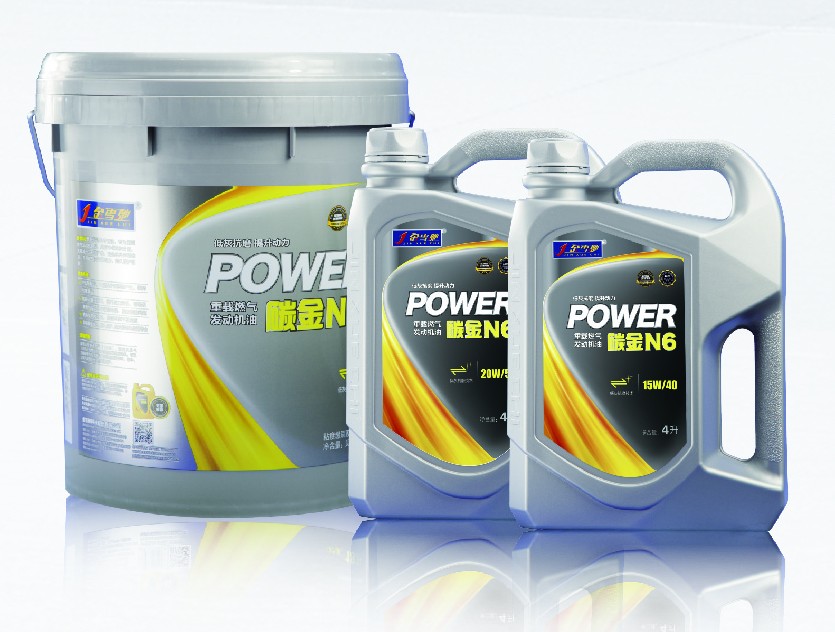
For brands looking to launch retail-ready products, many factories offer OEM/ODM Services, providing custom bottle molds (e.g., 1L, 4L, 5L jugs), private labeling, and induction sealing. Lead times for standard bulk orders typically range from 3 to 5 weeks, while custom retail packaging can add an additional 2 to 4 weeks for label printing and mold setup.
Streamline your bulk liquid logistics and secure competitive OEM pricing.
Get a free consultationFAQ
Sourcing bulk lubricants is a high-stakes procurement category where formulation accuracy and supply chain reliability are paramount. By strictly defining your technical specifications, mandating comprehensive batch testing, and partnering with vetted blending facilities, you can secure high-performance lubricants that protect both your end-users' equipment and your brand's reputation.
Get Sourcing Help for Lubricants
Tell us your requirements and our experts will connect you with verified manufacturers.