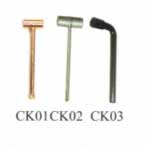
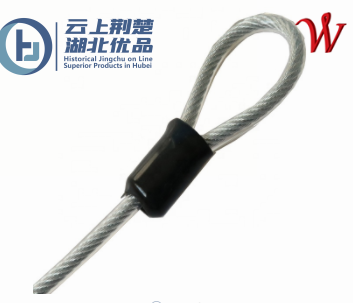
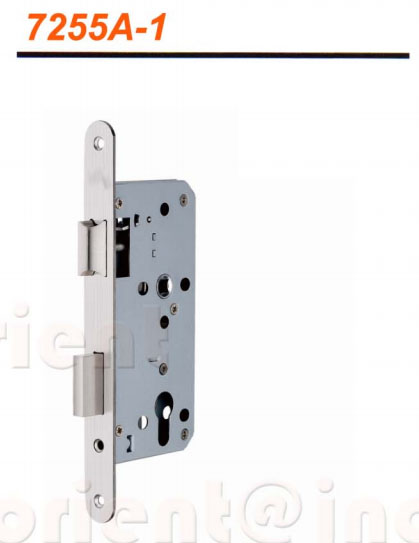
Lock & Key Parts
Source high-quality lock and key parts from vetted suppliers and manufacturers across Asia. Designed for importers, hardware distributors, and security brands seeking reliable OEM production, our network delivers precision-machined components in bulk to keep your supply chain competitive.
Sourcing precision lock and key parts in bulk—whether you are procuring pins, springs, tailpieces, cams, or cylinder housings—demands strict attention to dimensional tolerances and material integrity. A fraction of a millimeter variance in a keyway or pin tumbler can compromise the entire locking mechanism, leading to jamming, security vulnerabilities, or complete product failure. The core sourcing challenge is identifying manufacturers with the advanced CNC capabilities, die-casting precision, and metallurgy controls required to produce consistent, high-cycle components at scale.
Material Selection and Machining Capabilities
The foundation of any reliable lock component is its material. Factories typically specialize in either high-volume zinc alloy die-casting or precision brass and stainless steel machining. Selecting the right material dictates the manufacturing method, tooling costs, and the final security rating of the lock.
| Material | Primary Application | Manufacturing Method | Key Characteristics |
|---|---|---|---|
| Solid Brass | Cylinder plugs, pins, premium keys | CNC Machining / Extrusion | Excellent corrosion resistance, self-lubricating, high cost |
| Zinc Alloy (Zamak) | Cylinder housings, thumb turns, cams | Die Casting | Cost-effective for complex shapes, lower drill resistance |
| Stainless Steel (304/316) | Anti-drill pins, heavy-duty tailpieces | CNC Machining / Stamping | Maximum security, high hardness, difficult to machine |
| Phosphor Bronze | Springs, retaining rings | Wire Forming / Stamping | High fatigue resistance, maintains tension over time |
When evaluating a manufacturer's capabilities, review their machinery. Multi-axis CNC Swiss lathes are essential for producing high-precision bottom and master pins, while hot-chamber die casting machines are required for high-volume zinc housings.
Struggling to find suppliers capable of meeting strict machining tolerances? We can connect you with vetted precision manufacturers.
Talk to our teamQuality Control and Dimensional Tolerances
In the lock hardware industry, quality is won or lost in the micro-measurements. Standard pin tumblers often require tolerances of plus or minus 0.02mm. If a factory's tooling is worn or their calibration is off, the resulting parts will cause the lock to fail standard picking or bumping tests.
Robust Quality Control & Inspection protocols must be implemented directly on the factory floor, focusing on both dimensional accuracy and surface treatment integrity.
Critical QC Checkpoints for Lock Parts
- Pin length and diameter verification using digital micrometers to ensure shear line accuracy.
- Plating thickness and adhesion testing (e.g., salt spray tests) to prevent flaking inside the cylinder.
- Spring tension and fatigue testing to ensure consistent upward pressure on the pin stack.
- Thread tapping accuracy on cylinder housings to guarantee smooth installation of set screws.
- Keyway broaching inspection to ensure restricted or proprietary key profiles are perfectly matched.
Beware of Substandard Plating
Poorly applied nickel or chrome plating on brass or zinc parts can build up unevenly, effectively altering the dimensions of the component. Always specify plating thickness limits in your purchase order to prevent tolerance stacking issues.
Pricing, Tooling, and Production Lead Times
Lock and key parts are high-volume, low-margin commodities where economies of scale heavily influence pricing. If you are producing standard, open-profile components (like standard Schlage or Kwikset compatible pins), you can bypass tooling costs. However, if you are developing proprietary keyways or custom cylinder shapes, you will need to engage in OEM/ODM Services to develop custom molds and broaching tools.
Tooling costs for zinc die-cast housings are generally moderate, but the investment is necessary to achieve low per-unit costs at high volumes. Ensure your manufacturing agreement explicitly states that you own the molds once they are paid for, preventing the supplier from selling your proprietary designs to other buyers.
Need to optimize your tooling costs or negotiate better terms for custom lock components?
Get a free consultationFrequently Asked Questions
Successfully sourcing lock and key parts requires partnering with a factory that treats precision engineering as a baseline, not a premium feature. Before committing to a large production run, conducting thorough Factory Audits is the most effective way to verify a supplier's raw material sourcing, machine maintenance schedules, and in-house testing capabilities.
Get Sourcing Help for Lock & Key Parts
Tell us your requirements and our experts will connect you with verified manufacturers.