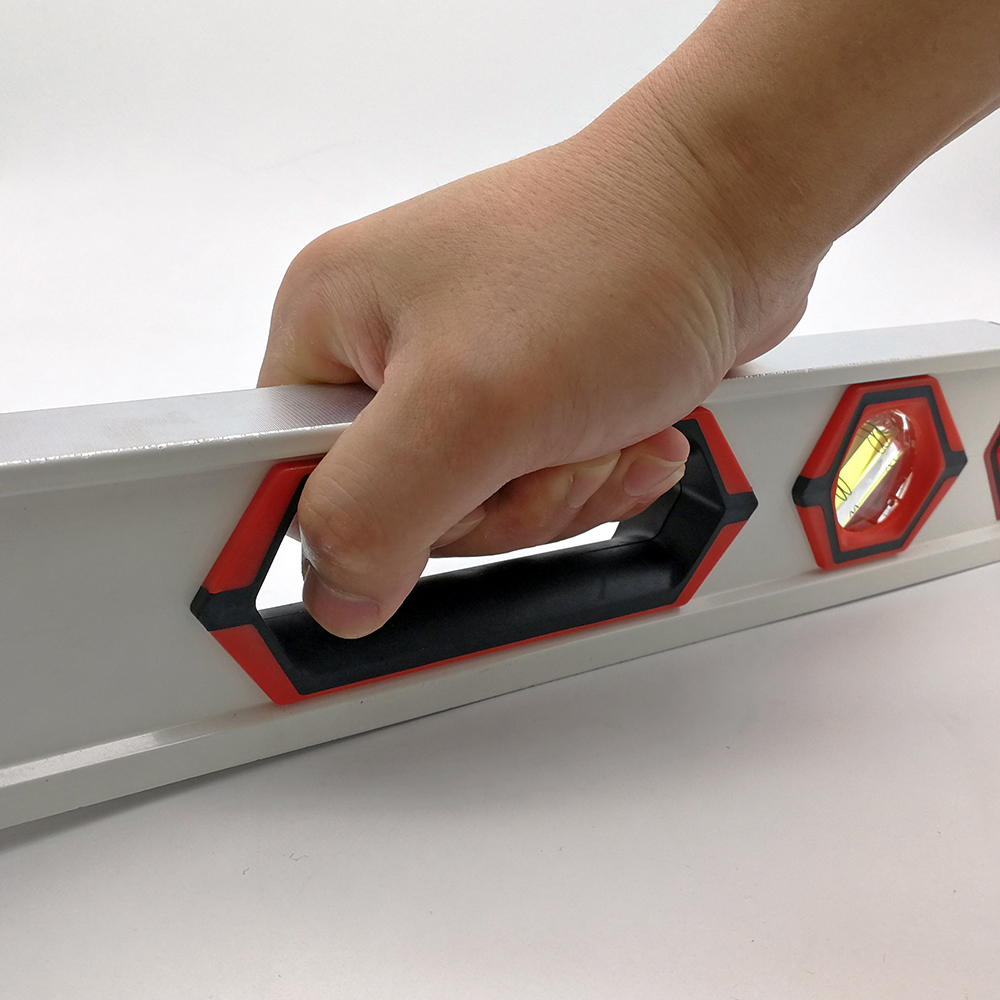
Line & Dot Lasers
Source high-precision line and dot lasers from vetted manufacturers and suppliers in China and across Asia. Designed for hardware distributors, tool importers, and brands seeking reliable OEM and private-label production, this catalog offers bulk access to professional-grade leveling tools built to exacting industry standards.
Sourcing line and dot lasers at scale comes down to a single, unforgiving metric: reliable calibration under job-site conditions. When buying in bulk, the difference between a professional-grade tool and a high-return liability lies entirely in diode selection, pendulum damping, and factory-level alignment protocols. For volume buyers, navigating the Asian supply chain requires a strict focus on component origin and assembly environment.
Core Components and Specifications
The performance of a laser level is dictated by its internal hardware. Buyers must specify exact components to avoid "cost-down" substitutions during production.
Laser Diodes: Red vs. Green
Green lasers are increasingly the market standard due to human eye sensitivity, but they require more power and generate more heat. The source of the diode is critical: premium tools typically utilize German (Osram) or Japanese (Sharp) diodes for longevity and beam clarity, whereas budget models use domestic alternatives that may degrade or widen over time.
| Specification | Green Diode (505-520nm) | Red Diode (630-660nm) |
|---|---|---|
| Visibility | High (up to 30m indoors) | Standard (up to 15m indoors) |
| Power Consumption | High (requires larger battery) | Low (longer run time) |
| Temperature Sensitivity | High (requires better heat dissipation) | Low (stable in extreme cold/heat) |
| Cost | Premium (adds 20-30% to unit cost) | Economical |
Pendulum and Self-Leveling Mechanisms
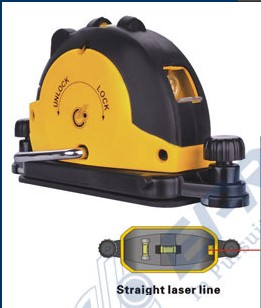
Most line and dot lasers rely on a magnetic damping pendulum system. The copper wire thickness and the strength of the magnets directly impact how fast the laser settles (typically under 3 seconds is acceptable). A robust locking mechanism is mandatory; without it, the pendulum will sustain damage during transit, rendering the tool useless upon arrival.
Navigating diode suppliers and factory calibration standards takes time. Let our engineers handle the technical vetting and factory selection.
Talk to our teamManufacturing Tolerances and Quality Control
Laser levels are precision optical instruments housed in rugged casings. Assembly must occur in a clean-room environment to prevent dust from settling on the prisms or diodes, which causes beam splitting or artifacts.
When assessing a manufacturer, their calibration line is the most important area to audit. Every unit must be individually calibrated, not batch-tested. We highly recommend conducting thorough Factory Audits to verify that the supplier actually possesses the required multi-axis calibration rigs and temperature-testing chambers.
Critical Pre-Shipment Inspection Points
- Accuracy verification (Standard: ±2mm to ±3mm at 10 meters).
- Self-leveling range check (typically ±3 to ±4 degrees) and out-of-level alarm function.
- Drop testing (1-meter drop on concrete) to verify TPR overmold and pendulum lock integrity.
- Temperature cycling (-10°C to 50°C) to ensure diode stability and beam focus.
- IP54 or IP65 dust and water resistance verification.
Implementing strict Quality Control & Inspection before the goods leave the factory is the only way to prevent a container of misaligned lasers from reaching your warehouse.
Customization and OEM Options
For brands developing their own lines, OEM/ODM Services offer significant flexibility. The primary areas for customization include:
- Housing and Overmolding: Custom TPR (Thermoplastic Rubber) molds for enhanced drop protection and brand color matching.
- Power Solutions: Transitioning from traditional AA battery sleds to custom, high-capacity Lithium-ion packs with USB-C charging.
- Mounting Accessories: Upgrading magnetic pivoting bases with rare-earth magnets and fine-adjustment knobs.
Wholesale Pricing, MOQs, and Lead Times
Pricing in this category scales heavily based on the diode brand, the number of lines (e.g., simple cross-line vs. 3D 12-line or 4D 16-line models), and the included accessories.
Note: Tooling for completely custom housings will require longer lead times and upfront mold fees, whereas private-labeling existing factory molds can be executed much faster.
Looking to develop a custom laser level line or need competitive bulk pricing? Speak with our sourcing experts today.
Get a free consultationBuyer FAQ
Securing a reliable supply of line and dot lasers requires more than just negotiating unit costs; it demands rigorous technical oversight from the diode selection down to the final pendulum calibration. Partnering with a specialized sourcing team ensures your specifications are met and your brand reputation remains protected on the job site.
Get Sourcing Help for Line & Dot Lasers
Tell us your requirements and our experts will connect you with verified manufacturers.