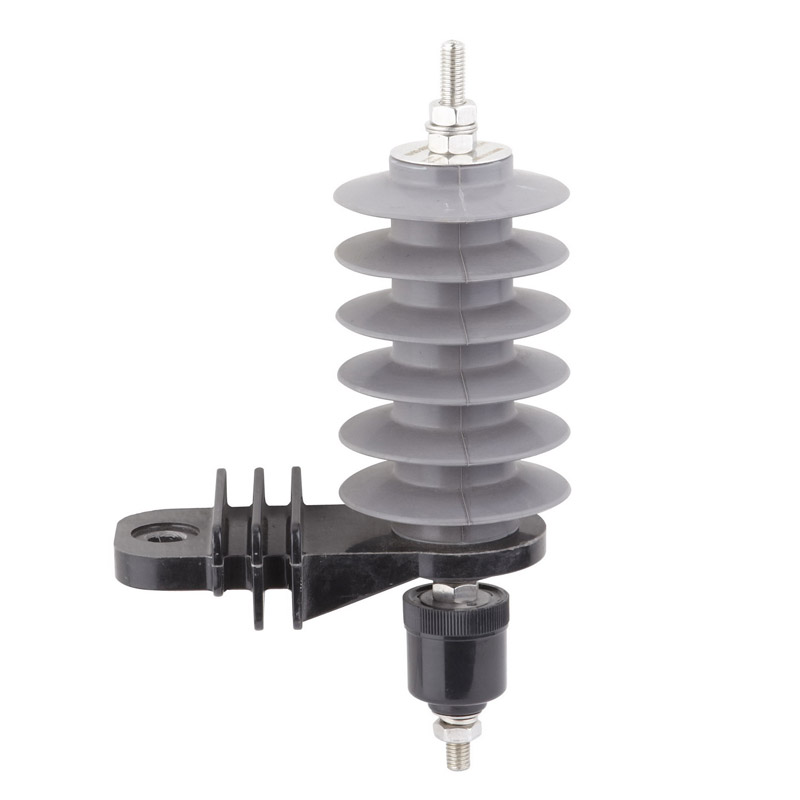
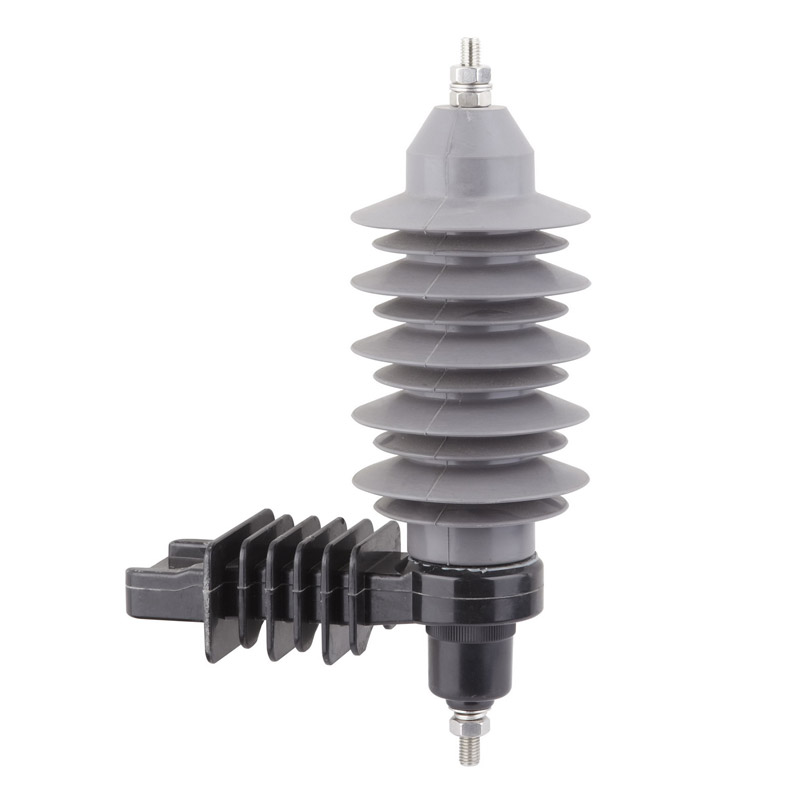
Lightning Protection & Earthing
Source reliable, high-performance Lightning Protection & Earthing equipment from vetted manufacturers and suppliers. Designed for electrical distributors, industrial wholesalers, and engineering procurement teams, our network offers scalable bulk purchasing and OEM production for utility-grade grounding systems.
Sourcing lightning protection and earthing systems at volume requires strict adherence to international safety standards and material specifications. A failure in a grounding rod, air terminal, or earthing conductor isn't just a product defect; it is a catastrophic liability for the end user. The primary challenge when importing these systems from overseas manufacturers lies in verifying material purity and plating thickness. Substandard copper alloys or inadequate galvanization drastically reduces the lifespan and fault-handling capacity of the installation, making rigorous supplier qualification essential.
Critical Specifications and Material Selection
The foundation of any earthing system is its ability to dissipate fault currents efficiently while resisting soil corrosion over decades. When negotiating with manufacturers, your specification sheets must explicitly define material grades, bonding techniques, and dimensional tolerances.
| Material Type | Core Application | Corrosion Resistance | Cost Profile |
|---|---|---|---|
| Solid Copper | High-fault, highly corrosive soils | Excellent (50+ years) | Premium (tied to LME) |
| Copper-Bonded Steel | General utility and commercial | High (requires thick plating) | Moderate |
| Galvanized Steel | Temporary setups, low-corrosion soil | Fair (zinc degrades over time) | Economical |
For copper-bonded earth rods, the critical metric is the plating thickness. International standards generally require a minimum of 254 microns of copper. Cheap suppliers often cut costs by reducing this to 100 microns or less, which strips away during installation or corrodes rapidly in the ground. Always specify molecular bonding rather than simple electroplating to prevent the copper jacket from tearing when driven into rocky soil.
Manufacturing Quality and Defect Prevention
Consistent quality in lightning protection components requires specialized manufacturing processes, particularly in casting, extrusion, and chemical plating. A supplier's ability to maintain tight tolerances on exothermic welding powders and molds directly impacts the safety of the final electrical connections.
Before committing to a large order, it is crucial to conduct thorough Factory Audits to verify the supplier's in-house testing capabilities, particularly their salt spray testing and electrical resistance measurement equipment.
Key Factory-Floor Quality Checks
- Verify molecular bonding adhesion on copper-bonded rods using the bend test (no cracking or peeling allowed).
- Inspect air terminals and bases for casting voids or porosity that could increase electrical resistance.
- Check thread tolerances on coupling pins to ensure seamless, low-resistance joints between rod sections.
- Ensure exothermic welding powders are stored in climate-controlled environments to prevent moisture contamination.
Need to verify a supplier's production capabilities? We conduct on-site audits to ensure your earthing materials meet strict international standards before you place an order.
Talk to our teamCompliance and International Standards
Lightning protection is heavily regulated. Depending on your target market, products must comply with specific standards such as IEC 62305, BS EN 62561, or UL 467.
Manufacturers claiming compliance must be able to produce valid, verifiable test reports from recognized third-party laboratories. Because forged certificates are a known risk in this sector, integrating formal Compliance & Testing into your sourcing workflow is non-negotiable. This involves pulling random samples from the production line and sending them to independent labs to verify fault current ratings and material composition.
Pricing Dynamics, MOQs, and Lead Times
Earthing and lightning protection equipment pricing is highly volatile, tied directly to the London Metal Exchange (LME) copper and steel indices. Most reliable manufacturers quote prices with a short validity period (often 7 to 14 days) due to raw material fluctuations.
When planning your procurement cycle, factor in the weight of these products. Earthing materials are exceptionally dense, meaning shipping frequently maxes out container weight limits before volume limits. Consolidating shipments efficiently requires careful logistics planning.
Managing volatile copper prices and heavy-freight logistics is complex. Let us help you structure your procurement and shipping strategy to protect your margins.
Get a free consultationFrequently Asked Questions
Procuring lightning protection and earthing systems at scale demands rigorous technical oversight. By focusing on material verification, factory-level quality control, and strict compliance testing, you can mitigate the substantial risks associated with substandard electrical safety equipment. Utilizing professional Product Sourcing services ensures your supply chain remains resilient, compliant, and cost-effective.
Get Sourcing Help for Lightning Protection & Earthing
Tell us your requirements and our experts will connect you with verified manufacturers.