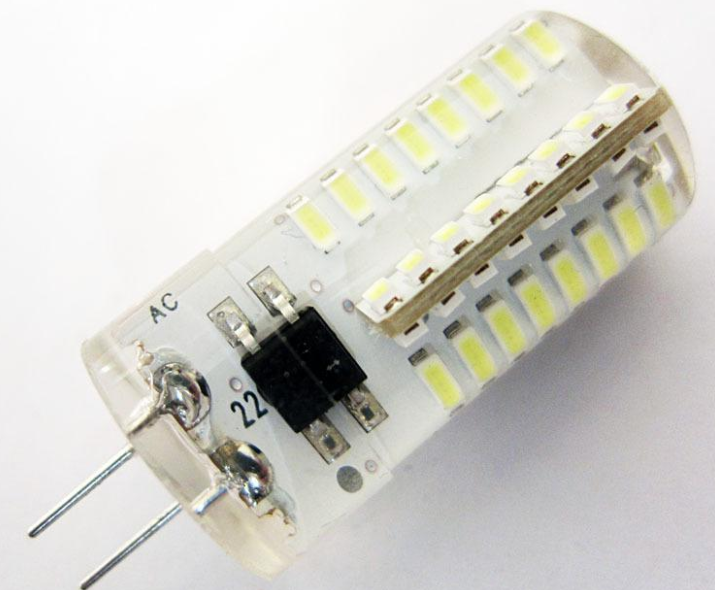
Light Emitting Diode
Source bulk Light Emitting Diode components directly from vetted suppliers and manufacturers across Asia. Designed for commercial importers, wholesalers, and lighting brands looking for reliable OEM production, our network delivers high-performance LEDs tailored to your precise specifications and volume requirements.
Sourcing light emitting diodes (LEDs) at scale requires strict control over binning consistency, thermal management, and long-term lumen maintenance. When procuring SMD packages, COB arrays, or through-hole diodes for commercial lighting fixtures, the difference between a premium component and a failing one often comes down to microscopic manufacturing tolerances, lead frame materials, and the precision of the phosphor coating process.
Specifying LEDs for Volume Production
Procurement managers must define precise optical and electrical parameters to ensure uniform performance across production runs. Inconsistent specifications lead to visible color shifting and uneven brightness across finished light fittings.
Critical LED Specifications to Define
- Luminous Efficacy (lm/W): The ratio of luminous flux to electrical power, dictating overall energy efficiency.
- Color Rendering Index (CRI & R9): Standard CRI (Ra) should be specified alongside R9 values for accurate red rendering in retail and architectural applications.
- MacAdam Ellipses (SDCM): Specify a Standard Deviation of Color Matching of 3-step or tighter to ensure no visible color difference between diodes.
- Forward Voltage (Vf) Binning: Tight Vf binning is essential for uniform current distribution in parallel circuits.
- Thermal Resistance (Rth): Lower thermal resistance between the junction and the solder point extends component lifespan.
The Importance of Strict Binning
LED manufacturers sort production yields into "bins" based on color temperature (CCT), luminous flux, and forward voltage. Off-the-shelf wholesale purchases often consist of mixed bins, resulting in patchy light output. Securing single-bin or tight-bin deliveries requires direct negotiation with the factory and a clear understanding of their sorting capabilities.
Struggling with color consistency across your LED batches? Let us negotiate strict binning requirements with top-tier manufacturers on your behalf.
Talk to our teamManufacturing Variables and Quality Control
The reliability of an LED package depends heavily on the internal materials and the cleanliness of the manufacturing environment. Assessing a supplier's capability requires looking beyond the spec sheet and examining their factory floor.
| Component | Premium Standard | Budget Alternative (Risk) |
|---|---|---|
| Wire Bonding | 99.99% Gold Wire | Copper or Alloy (Prone to oxidation and breakage) |
| Lead Frame | Pure Copper (Excellent heat dissipation) | Iron or Aluminum (Poor thermal management) |
| Phosphor Coating | Conformal coating for uniform CCT | Volume dispensing (Can cause yellow rings) |
| Die Attach | High-thermal-conductivity silver paste | Standard epoxy (Increases junction temperature) |
Verifying these materials requires rigorous Factory Audits to inspect the supplier's cleanroom standards, automated die-bonding machinery, and incoming material inspection protocols. Furthermore, implementing comprehensive Quality Control & Inspection during production ensures that wire bond pull tests and integrating sphere measurements are conducted before the components are reeled and sealed.
Compliance and Reliability Testing
Lighting components must meet stringent international standards to be legally imported and sold in major markets. Relying on a supplier's self-declared certificates is a common pitfall.
- LM-80 / TM-21: Ensure the factory provides verified LM-80 test reports for the specific LED package, detailing lumen depreciation over 6,000 to 10,000 hours. The TM-21 extrapolation will dictate the L70 or L90 lifespan claims of your finished products.
- RoHS and REACH: Diodes must be free from hazardous substances.
- Photobiological Safety: IEC 62471 testing is critical to ensure the LEDs do not pose retinal blue light hazards, especially in high-output COB modules.
Working with a partner who manages Compliance & Testing through accredited third-party laboratories mitigates the risk of customs rejections and product recalls.
Pricing Drivers, MOQs, and Lead Times
Pricing for LEDs is highly volatile and scales aggressively with volume, chip brand (e.g., Epistar, Bridgelux, San'an), and material choices.
When engaging in OEM/ODM Services for custom LED modules or specific spectrum tuning (such as horticultural or human-centric lighting), expect higher initial MOQs and longer lead times for prototyping and integrating sphere validation.
Need to stabilize your LED supply chain? We help buyers negotiate better pricing and enforce strict quality standards directly with manufacturers.
Get a free consultationFrequently Asked Questions
Securing a reliable supply of light emitting diodes is less about finding the lowest cost per thousand and more about establishing enforceable standards for materials, thermal performance, and color consistency. Success in this category requires holding manufacturers accountable at every stage of the fabrication process.
Get Sourcing Help for Light Emitting Diode
Tell us your requirements and our experts will connect you with verified manufacturers.