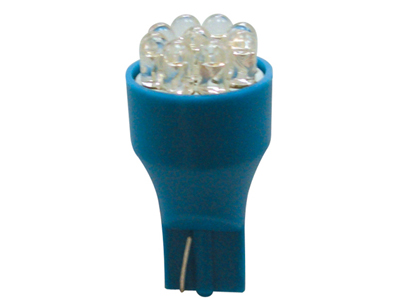
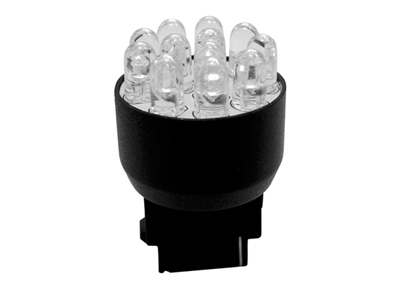
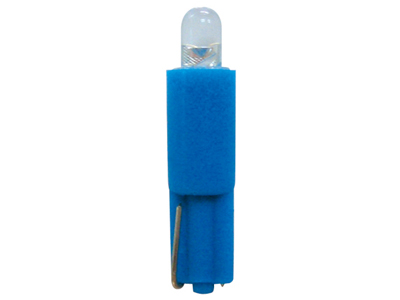
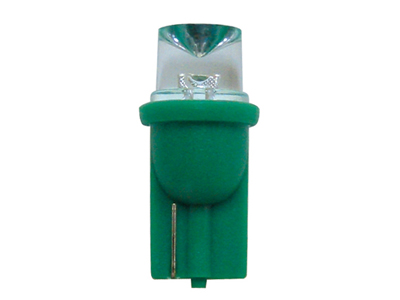
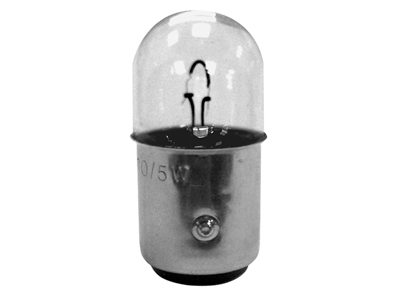
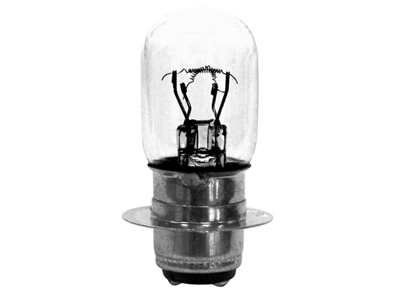
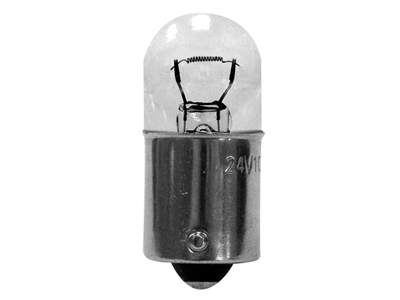
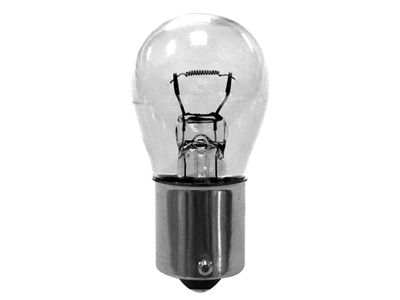
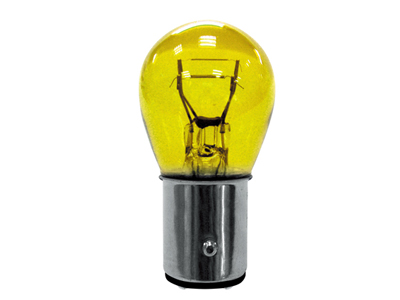
Light Bulbs
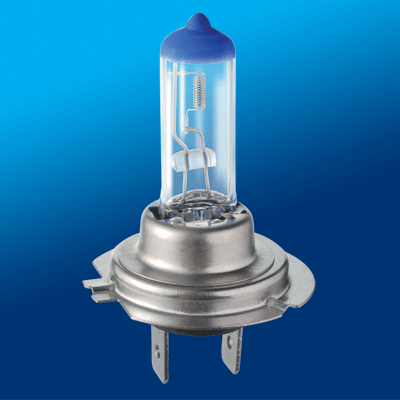
Source high-performance automotive light bulbs in bulk from vetted manufacturers and suppliers. Designed for vehicle parts distributors, wholesalers, and aftermarket brands seeking reliable OEM and private-label production, our sourcing solutions ensure consistent quality, strict regulatory compliance, and competitive wholesale pricing.
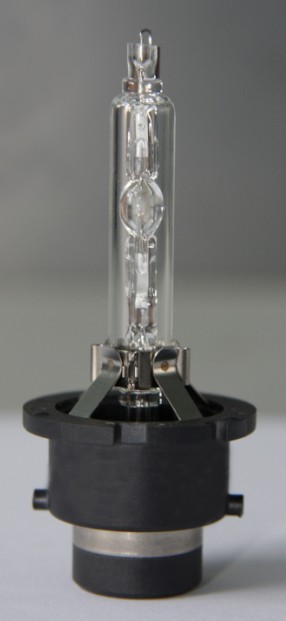
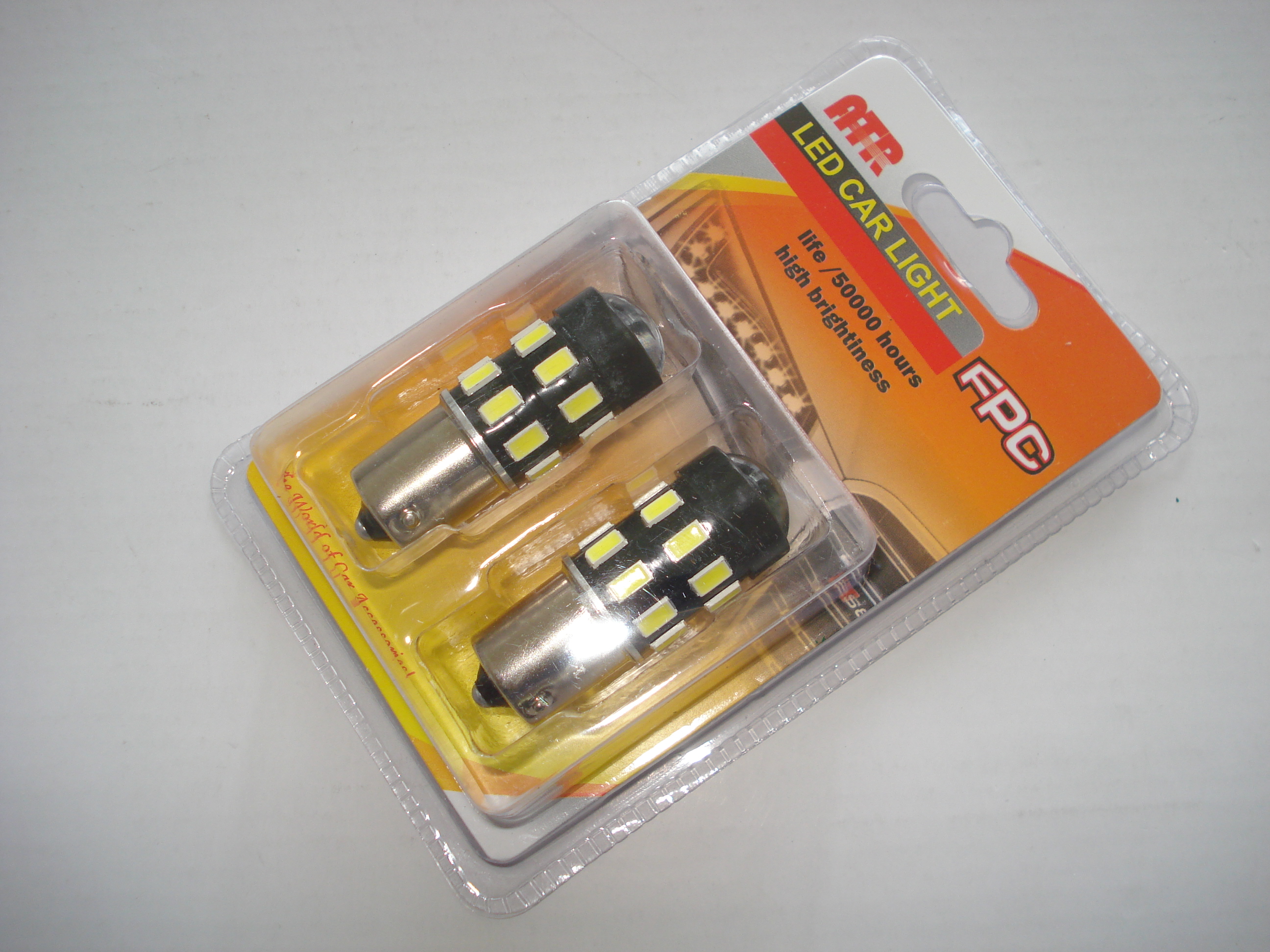
Sourcing automotive light bulbs at scale requires navigating a complex matrix of thermal management, electrical compatibility, and strict photometric standards. Whether you are importing standard halogen replacements, HID/Xenon lamps, or high-lumen LED conversion kits, success depends on partnering with factories capable of precision assembly and rigorous quality control. The difference between a premium aftermarket bulb and a high-return liability is often decided at the component level on the factory floor.
Critical Specifications for Automotive Lighting
When negotiating specifications with manufacturers, relying on top-line lumen claims is a common pitfall. Professional buyers must specify the exact architecture of the bulb to ensure longevity and vehicle compatibility.
LED Chip Selection and Beam Pattern
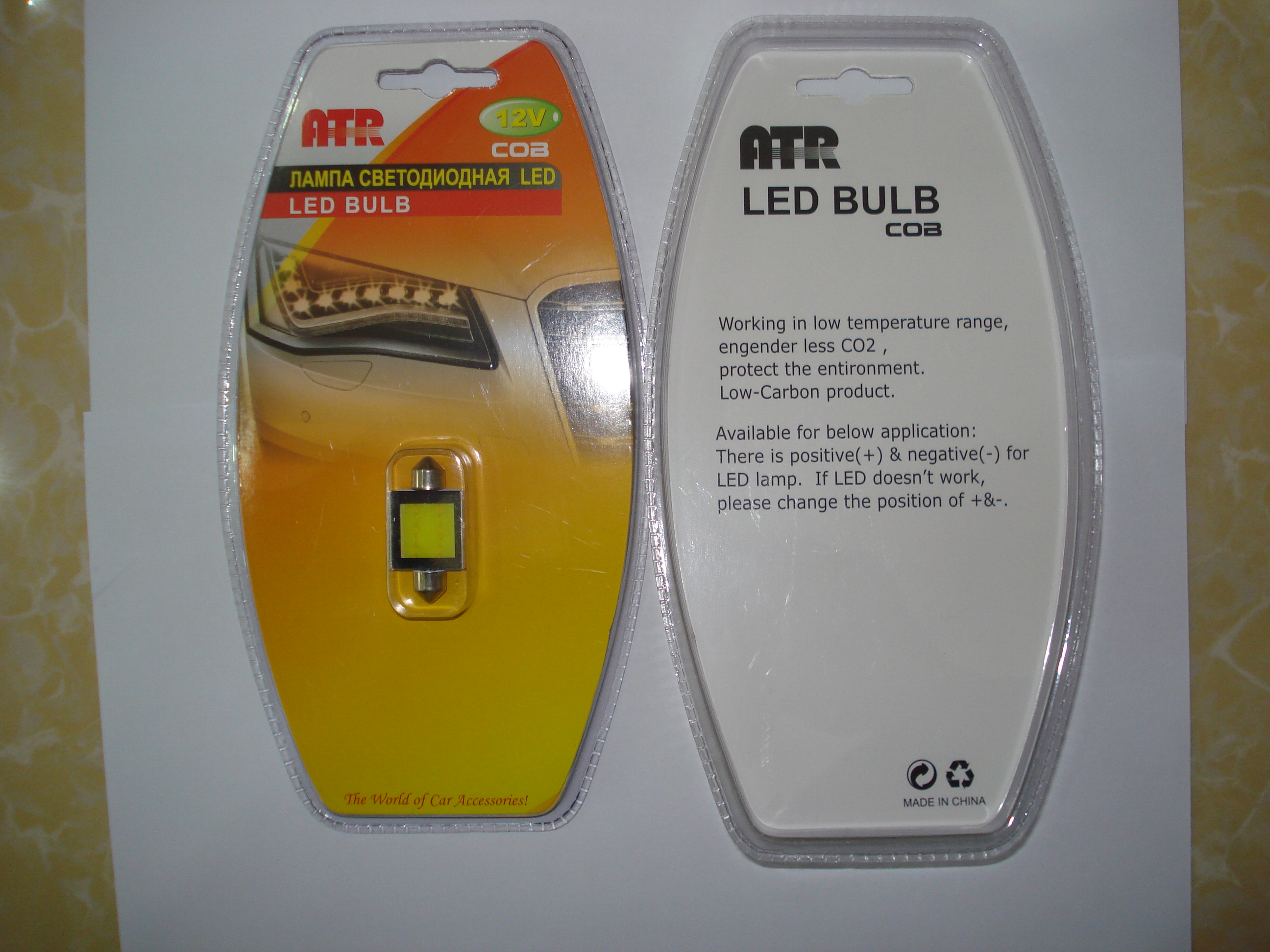
For LED bulbs, the diode type directly impacts both the beam pattern and heat generation. COB (Chip-on-Board) LEDs are cheaper but often produce a scattered beam that fails safety inspections due to excessive glare. CSP (Chip Scale Package) or specialized automotive-grade diodes mimic the filament position of a traditional halogen bulb, ensuring a focused beam pattern that complies with DOT or ECE regulations.
Thermal Management Systems
Heat is the primary cause of premature failure in high-output automotive bulbs. The cooling mechanism dictates the bulb's lifespan and its ability to maintain lumen output over time (lumen maintenance).
| Cooling Type | Mechanism | Best For | Cost Profile |
|---|---|---|---|
| Passive Fanless (Aviation Aluminum) | Heat dissipation via aluminum body | Fog lights, low-wattage applications | Low to Medium |
| Passive Copper Braid | Flexible copper belts draw heat away | Tight headlight housings | Medium |
| Active Cooling (Ball-bearing Fan) | High-speed fan forces air over heat sink | High-lumen low/high beam headlights | High |
CANbus Compatibility
Modern vehicle computer systems monitor electrical draw. Because LEDs draw significantly less power than halogens, they can trigger dashboard error codes or cause flickering. Ensure your supplier integrates robust CANbus decoders (either internal or external drivers) capable of handling voltage fluctuations up to 32V without overheating.
Struggling with high defect rates or CANbus errors from your current supplier? Let us help you identify factories with proven engineering capabilities.
Talk to our teamManufacturing Quality and Regulatory Compliance
Automotive lighting is heavily regulated. A factory's ability to produce compliant bulbs separates legitimate manufacturers from lower-tier assemblers.
In North America, bulbs must adhere to FMVSS 108 (DOT standards), while European and many international markets require ECE (E-mark) certification (e.g., R37 for halogens, R99 for HID, R128 for LED). Achieving this requires precision manufacturing; a deviation of just 0.5 millimeters in diode placement can ruin the beam pattern.
Before committing to a high-volume order, it is highly recommended to conduct thorough factory audits to verify that the supplier has the necessary integrating spheres, goniophotometers, and thermal testing chambers in-house. Furthermore, independent compliance testing is essential to ensure the actual mass-production units meet the standards claimed on the factory's certificates.
Quality Control Defect Checklist
Catching defects before shipment is critical, as returning defective goods across borders is rarely economically viable. A robust quality control protocol for automotive bulbs should include:
Pre-Shipment Inspection Focus Areas
- Photometric testing: Verify beam pattern, cut-off line sharpness, and lux output at specified distances.
- Thermal degradation: Run bulbs at maximum voltage for 2 hours to measure lumen drop and maximum junction temperature.
- Vibration testing: Ensure solder joints and internal components withstand simulated road vibration.
- CANbus verification: Test across multiple voltage ranges (9V to 32V) to ensure no flickering or error codes.
- IP rating checks: Submersion or water-spray tests for external drivers and bulb seals (IP65/IP67).
Typical MOQs, Pricing, and Lead Times
Understanding market norms helps you negotiate better terms and plan your inventory cycles accurately.
Pricing is highly elastic based on the components used. A standard H11 LED replacement kit might range from a few dollars for a basic COB/aluminum setup to significantly higher for a premium CSP/copper-pipe design with external CANbus drivers. If you are developing a proprietary design or private label, utilizing professional OEM/ODM services ensures your specific component choices are locked in and protected.
Ready to scale your automotive lighting brand? We manage the entire sourcing process, from factory vetting to final quality inspection.
Get a free consultationFrequently Asked Questions
Securing a reliable supply chain for automotive light bulbs means looking past the marketing specs and focusing intensely on thermal engineering, precision assembly, and rigorous batch testing. By partnering with factories that prioritize component quality over theoretical lumen output, you protect your brand's reputation and bottom line.
Get Sourcing Help for Light Bulbs
Tell us your requirements and our experts will connect you with verified manufacturers.