Lifts
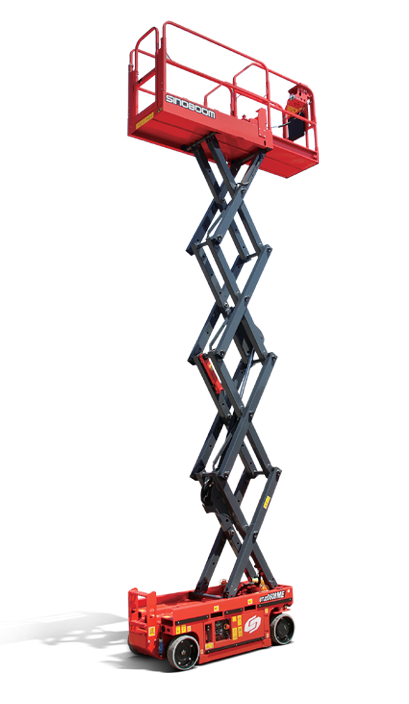
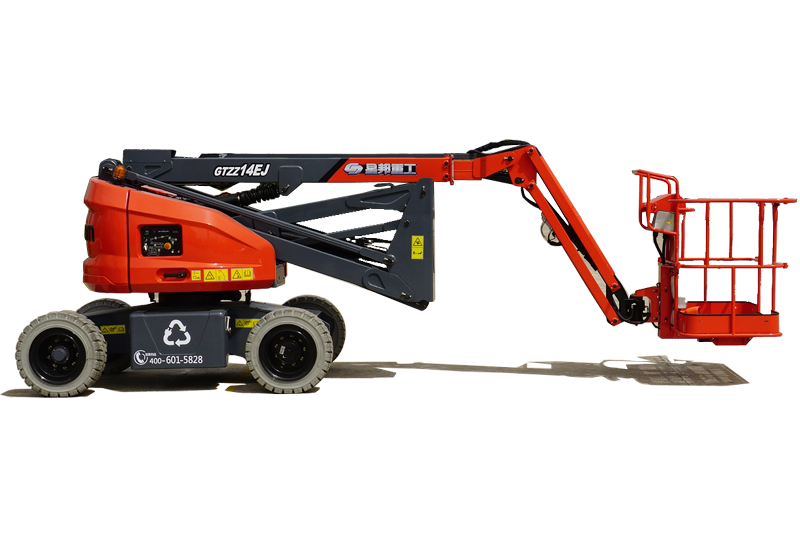
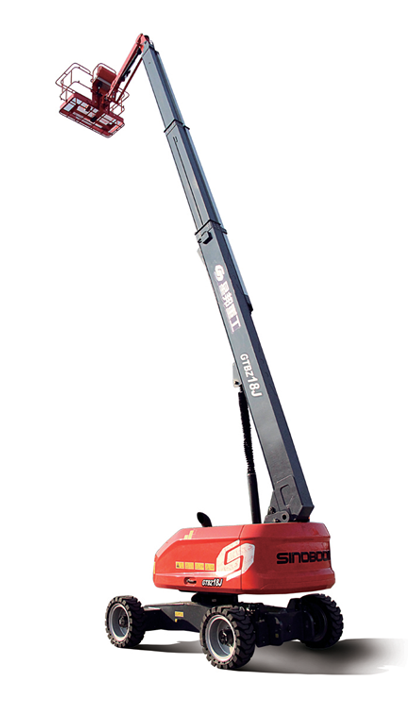
Source commercial and construction lifts from vetted manufacturers and suppliers in China and Asia. Designed for equipment distributors, construction procurement managers, and brands seeking OEM production, our network delivers reliable aerial and material lifting machinery at competitive wholesale prices.
Sourcing aerial work platforms and construction lifts requires balancing heavy-duty structural integrity with precise hydraulic and electronic controls. For importers and distributors buying in volume, the primary challenge is identifying manufacturers capable of maintaining strict safety tolerances while scaling production. The quality gap between a premium export-ready lift and a domestic-market unit is vast, hidden in weld penetration, hydraulic seal quality, and control system reliability.
Structural and Hydraulic Specifications
The operational lifespan and safety of any lift—whether scissor, boom, or vertical mast—depend on the core materials and hydraulic components specified during the sourcing phase. Buyers must define these parameters clearly before production begins.
- Structural Steel: Export-grade lifts should utilize high-tensile steel (such as Q345 or equivalent) for critical stress points like boom arms and scissor stacks, rather than standard Q235 carbon steel. This reduces the overall weight of the machine while maintaining rigidity at full extension.
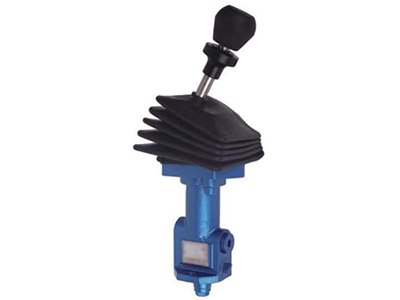
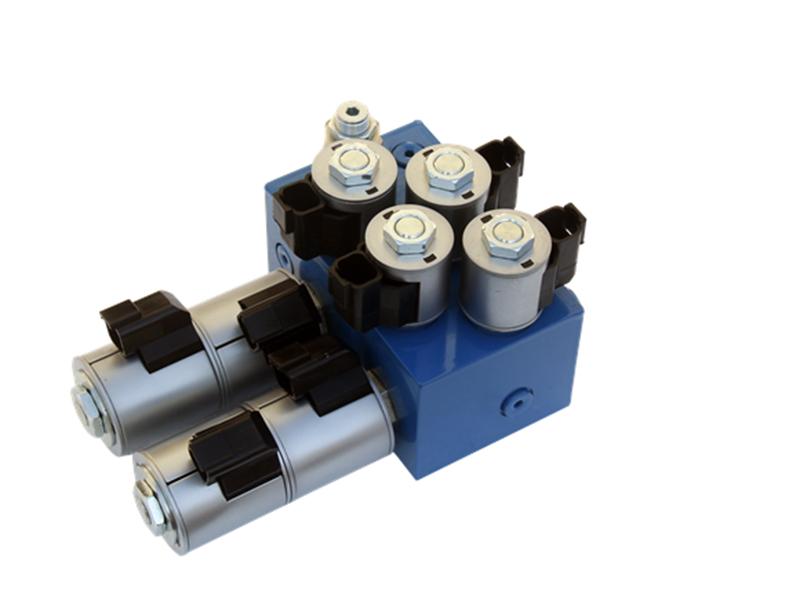
- Hydraulic Systems: The power pack and cylinders dictate performance. Specify the origin of the hydraulic pump and valves. While domestic Chinese pumps are cost-effective, premium OEM builds often specify imported components (e.g., Bucher Hydraulics) for lower failure rates and better pressure retention under static loads.
- Electronic Controls: Modern fleets require CAN bus control systems integrated with reliable motor controllers (like Curtis or Zapi). This allows for smoother proportional control and easier diagnostics compared to older relay-based systems.
Need help verifying technical specifications with Asian lift manufacturers? Let our team handle the supplier vetting and engineering reviews.
Talk to our machinery expertsQuality Control and Compliance Standards
Lifts are heavily regulated safety equipment. Importing non-compliant machinery exposes distributors to severe liability and customs seizures. Verifying a factory's capability to meet international standards requires rigorous factory audits before any deposit is paid.
Target markets dictate the required certifications. European markets require CE certification under the EN 280 standard for Mobile Elevating Work Platforms (MEWPs), while North America requires adherence to ANSI A92 and CSA B3 standards. Do not accept generic CE marks; verify the technical file and ensure the certification body is recognized for heavy machinery. For full market readiness, professional compliance and testing verification is non-negotiable.
Critical Pre-Shipment Inspections
- Non-destructive testing (NDT) on critical boom and chassis welds
- 125 percent dynamic load testing to verify hydraulic holding valves
- Verification of tilt sensors, limit switches, and emergency descent systems
- Hydraulic pressure tests over 24 hours to identify seal weeping or pressure drops
- Battery discharge and charge cycle verification for electric models
Executing these checks requires specialized engineering knowledge on the ground. Implementing professional quality control and inspection during assembly and prior to loading is the only way to prevent receiving defective or unsafe machinery.
Manufacturing Realities: Pricing, MOQs, and Lead Times
The pricing of construction lifts is highly elastic, driven primarily by the origin of the core components and the raw material costs of steel.
| Component | Standard Configuration | Premium/OEM Configuration |
|---|---|---|
| Hydraulic Power Pack | Domestic Chinese brand | Imported (e.g., Bucher) |
| Control System | Basic PCB / Relay | CAN bus with Curtis/Zapi controllers |
| Drive System | Hydraulic motor drive | Direct electric AC drive |
| Surface Finish | Standard liquid paint | Electrophoretic primer + Powder coat |
Typical Order Parameters
Because lifts are high-value, bulky items, Minimum Order Quantities (MOQs) are generally low.
- MOQ: Usually 1 to 5 units, depending on the physical size of the machine. Smaller push-around vertical lifts may require a 5-unit MOQ, while large articulated boom lifts can often be ordered as single units.
- Lead Times: Expect 35 to 60 days for production. Custom OEM colors, localized decals, or non-standard battery configurations (like upgrading from lead-acid to lithium-ion) typically push lead times to the higher end of this spectrum.
Ready to optimize your machinery supply chain? We negotiate pricing, manage production schedules, and ensure quality standards are met.
Get a sourcing consultationFAQ
Sourcing construction lifts successfully means looking past the initial unit price and focusing on component reliability, strict safety compliance, and the factory's internal quality management. Working with a dedicated sourcing partner on the ground ensures your heavy machinery meets international standards before it ever leaves the port.
Get Sourcing Help for Lifts
Tell us your requirements and our experts will connect you with verified manufacturers.