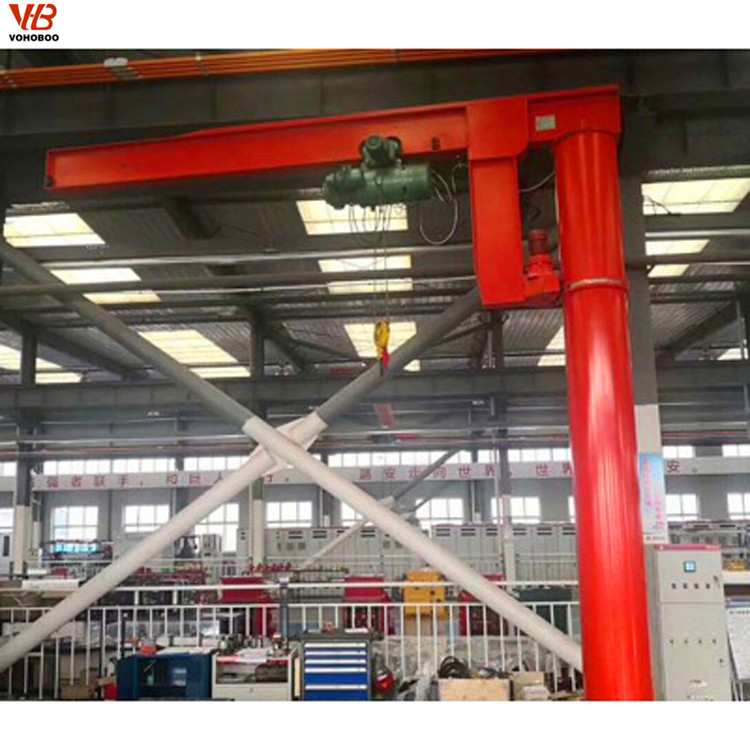
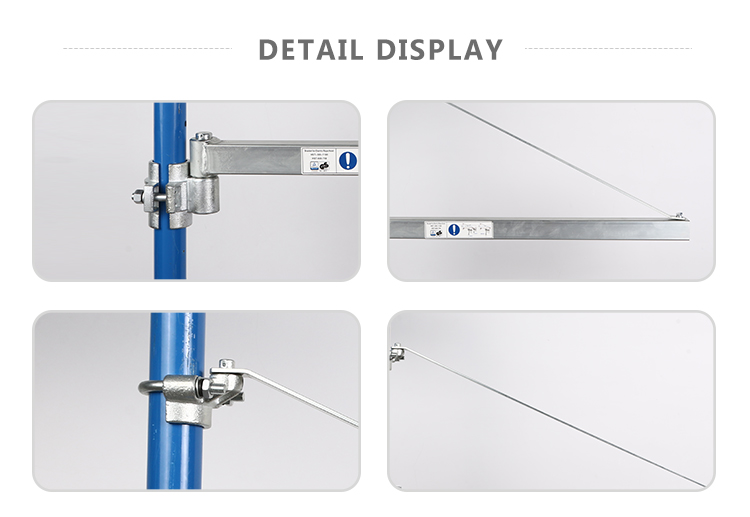
Lifter Jibs
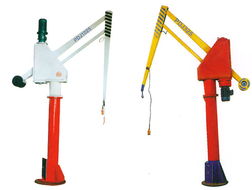
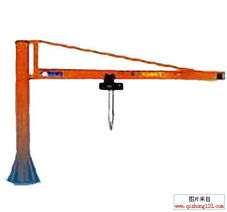
Source industrial-grade lifter jibs from vetted suppliers and manufacturers across Asia. Designed for material handling importers, equipment distributors, and brands requiring OEM production, our network delivers bulk quantities of heavy-duty lifting attachments that meet strict global safety standards.
Sourcing lifter jibs for material handling requires a strict balance between structural integrity, safety compliance, and cost-efficient steel fabrication. When converting standard forklifts or hoists into mobile cranes, the attachment must endure dynamic loads and harsh industrial environments. Navigating Asian fabrication hubs to find suppliers capable of meeting ANSI or CE standards—without relying on substandard materials—is the primary challenge for volume buyers.
Specifying Lifter Jibs for Bulk Production
A lifter jib's performance is entirely dependent on its geometry and material properties. When negotiating with fabrication facilities, relying on standard catalog specifications is rarely enough for heavy-duty applications.
Key Specifications to Define with Suppliers
- Safe Working Load (SWL): Must be defined at the maximum extension point, not just the retracted base.
- Load Center: Specify the exact distance from the fork face to the lifting point.
- Steel Grade: Demand high-tensile structural steel like Q345B/Q355 (equivalent to ASTM A572 Grade 50) rather than standard Q235.
- Fork Pocket Dimensions: Ensure tight tolerances to prevent jib shifting during dynamic lifts.
- Surface Finish: Specify powder coating thickness (typically 80 to 120 microns) or hot-dip galvanizing for outdoor use.
Manufacturing Tolerances and Welding Standards
The primary point of failure in any lifter jib is the weldment, particularly where the boom meets the fork pocket base or mounting plate. High-volume production requires strict oversight of the factory's welding procedures. Look for facilities utilizing automated robotic welding for consistent penetration, backed by certified manual welders for complex joints.
To ensure safety, structural welds should undergo Non-Destructive Testing (NDT), such as Magnetic Particle Inspection (MPI) or Ultrasonic Testing (UT). If you are uncertain about a factory's in-house testing capabilities, implementing independent quality control during the production run is essential to catch porosity or undercut defects before the units are painted.
Need to verify a fabrication facility's welding certifications and quality management systems? Let our engineers handle the vetting.
Talk to our teamCompliance, Testing, and OEM Modifications
Lifter jibs must comply with regional safety standards, such as ANSI/ITSDF B56.1 in North America or the Machinery Directive 2006/42/EC for CE marking in Europe. Reputable manufacturers will provide static load test reports—typically conducted at 125 percent to 150 percent of the rated SWL. However, buyers should mandate third-party compliance testing for initial production batches to verify these claims independently.
For distributors requiring specific features—such as integrated scale hooks, specialized telescoping locking pins, or custom mounting plates—partnering with a factory that excels in OEM/ODM services is crucial. Ensure the factory has an in-house engineering team capable of recalculating load charts and safety factors when dimensional changes are made to the base design.
Sourcing Economics: MOQs, Pricing, and Lead Times
Lifter jib pricing is heavily tied to the global steel index, the weight of the unit, and the complexity of the telescoping or articulating mechanisms. Because these are heavy, space-consuming items, optimizing container loads is a critical part of calculating landed costs.
Want to benchmark your current lifter jib pricing against top-tier fabrication facilities?
Get a free consultationFrequently Asked Questions
Sourcing industrial lifting attachments requires uncompromising attention to steel quality and weld integrity. A minor defect in fabrication can lead to catastrophic failure on the job site. By thoroughly vetting fabrication partners and enforcing strict pre-shipment load testing, you can secure reliable, compliant equipment at scale. If you need experienced engineers on the ground to manage your material handling supply chain, we are here to help.
Get Sourcing Help for Lifter Jibs
Tell us your requirements and our experts will connect you with verified manufacturers.