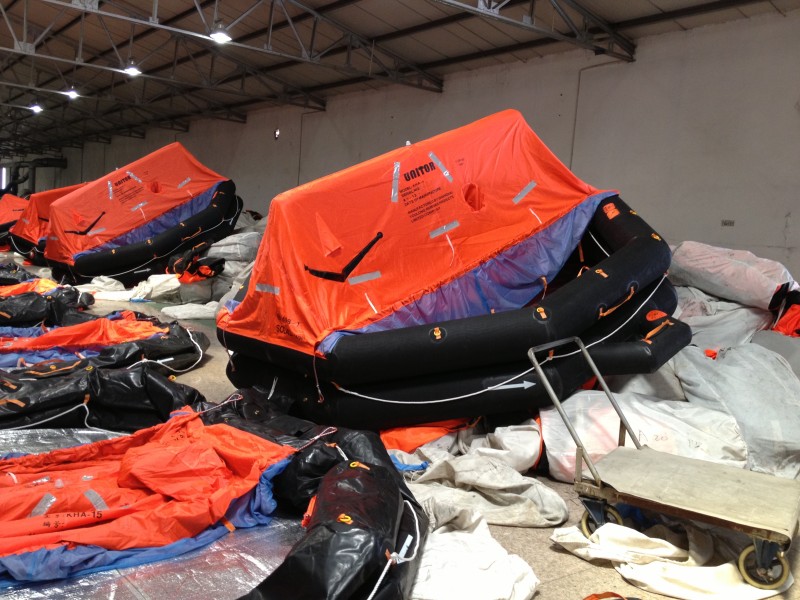
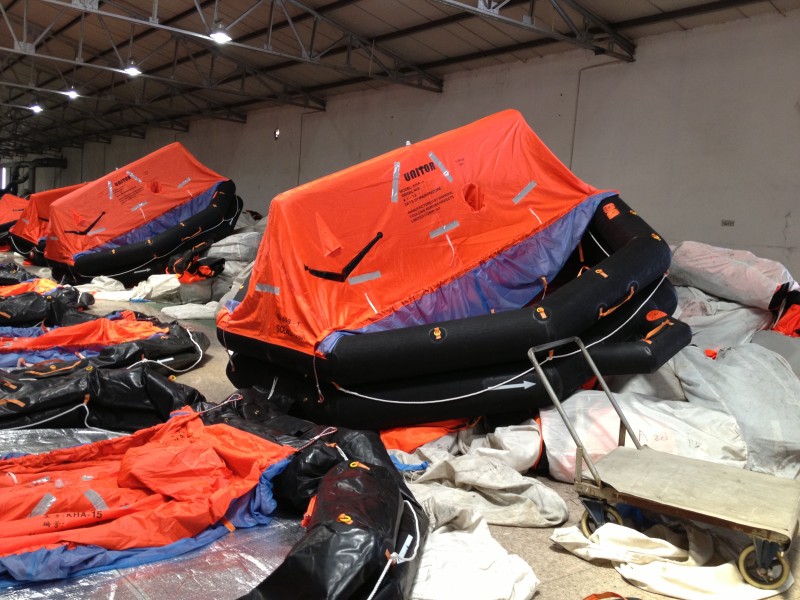
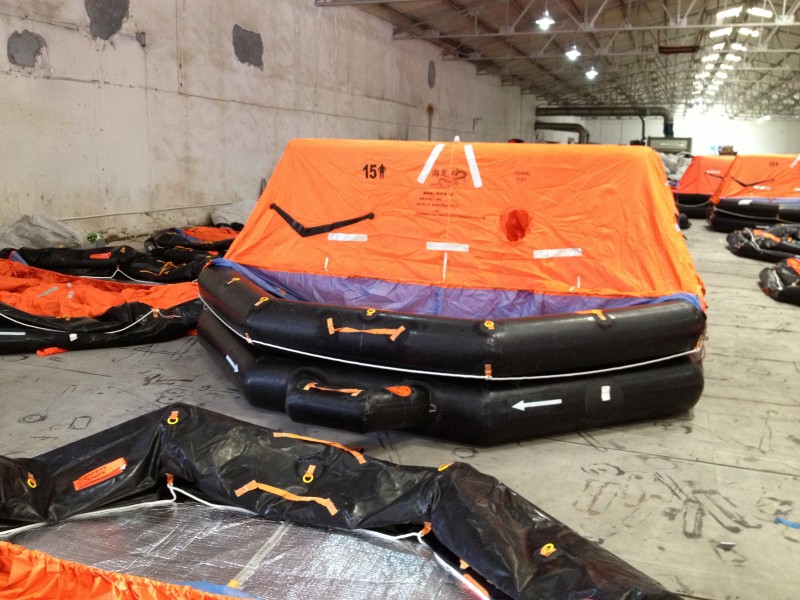
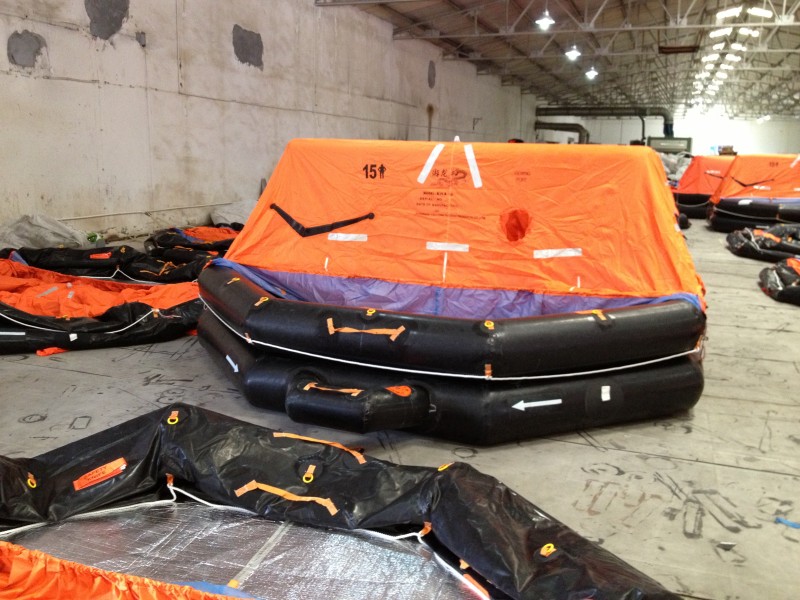
Life Rafts
Source commercial and recreational marine life rafts from vetted manufacturers and suppliers. Built for maritime distributors, safety equipment wholesalers, and brands seeking reliable OEM production, our network delivers SOLAS and ISO-certified survival craft in bulk. Secure competitive wholesale pricing directly from the factory.
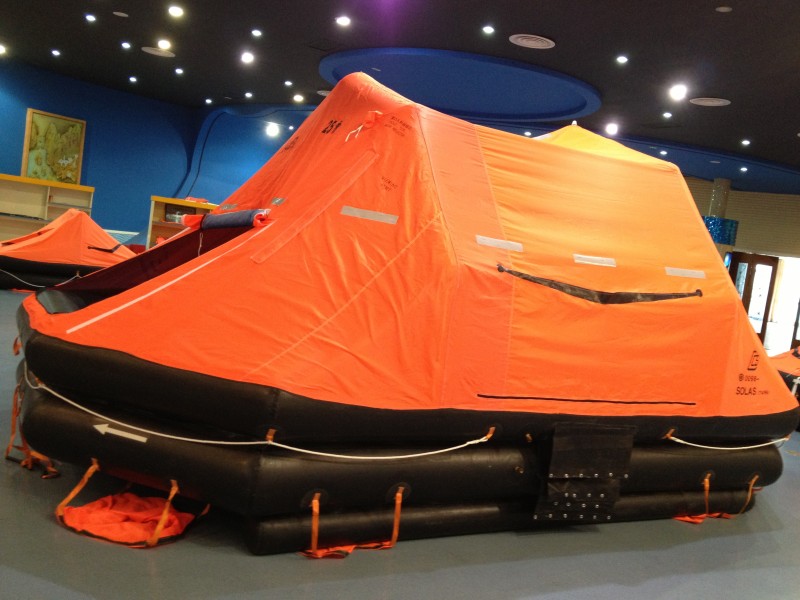
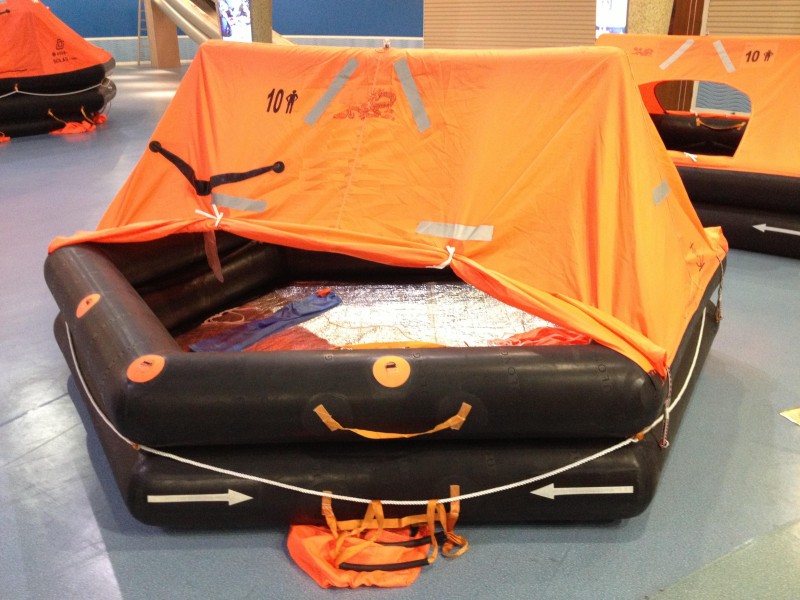
Sourcing marine life rafts requires balancing stringent international safety mandates with complex material engineering. Whether you are supplying commercial fleets or recreational boating markets, procuring survival craft in bulk demands rigorous oversight of fabric welding, inflation mechanics, and survival pack integration to ensure zero-failure performance in critical conditions.
Material Specifications and Seam Construction
The core integrity of a life raft lies in its buoyancy tube fabric and the method used to join the seams. Manufacturers primarily use two classes of materials, each dictating a specific manufacturing process and lifecycle cost.
- Polyurethane (PU) and PVC-Coated Nylon: Commonly used in ISO 9650 recreational rafts. These materials allow for High-Frequency (HF) welding or thermobonding, which fuses the fabric at a molecular level. HF welding is highly automated, reducing labor costs and minimizing the risk of human error on the factory floor.
- Neoprene and Hypalon (CSM): The standard for heavy-duty SOLAS-approved commercial rafts. These synthetic rubbers offer superior resistance to UV radiation, hydrocarbons, and extreme temperature fluctuations. However, they cannot be HF welded; they require meticulous manual cold gluing in climate-controlled factory environments.
When evaluating a supplier's capabilities, their climate control infrastructure is a key indicator of quality. Cold gluing requires strict humidity and temperature parameters to prevent adhesive failure.
| Specification | ISO 9650-1 (Recreational) | SOLAS (Commercial) |
|---|---|---|
| Primary Material | PU or PVC-coated nylon | Neoprene / Hypalon |
| Seam Construction | High-Frequency Welding | Manual Cold Gluing |
| Deployment | Manual or Hydrostatic | Hydrostatic Release Unit (HRU) |
| Service Interval | Typically 3 years | Annually |
Struggling to verify if a factory has the right climate-controlled facilities for Hypalon production? Let our sourcing engineers evaluate their capabilities on the ground.
Talk to our teamNavigating Regulatory Compliance and Certifications
Life rafts are heavily regulated, and importing non-compliant safety equipment carries severe liability. Your target market dictates the required certification standards:
- SOLAS (Safety of Life at Sea): Mandatory for commercial vessels. Requires specific buoyancy, canopy visibility, and survival pack inclusions (Pack A or Pack B).
- MED (Marine Equipment Directive): The "Wheelmark" certification required for vessels flagged in the European Union.
- ISO 9650: The global standard for recreational yachts. Divided into Type 1 (Offshore) and Type 2 (Coastal).
- USCG Approval: Required for commercial vessels operating in United States waters.
Factory claims of certification must be validated against the actual testing body's database. Counterfeit or expired certificates are a common risk when dealing with unvetted suppliers. Comprehensive compliance and testing verification is mandatory before finalizing any purchase order.
Quality Control on the Factory Floor
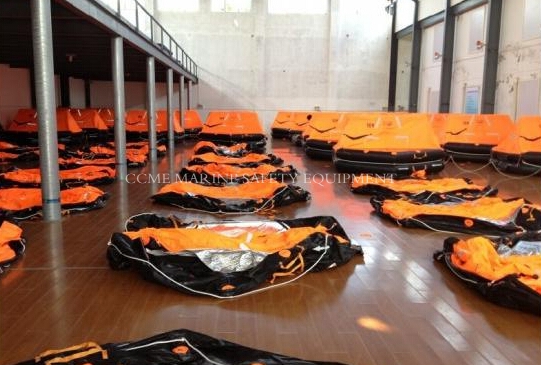
A life raft is a complex assembly of pressure vessels, valves, and survival gear. Defects are often hidden until the unit is inflated. Establishing strict quality control and inspection protocols during production is non-negotiable.
Critical QC Checks for Life Rafts
- Overpressure Testing: Inflating tubes to 1.5x to 2x working pressure to test seam burst strength.
- Retention Testing: 24-hour inflation tests to measure pressure drop and identify micro-leaks.
- Valve Torque Verification: Ensuring pressure relief valves and inflation valves are torqued to exact specifications.
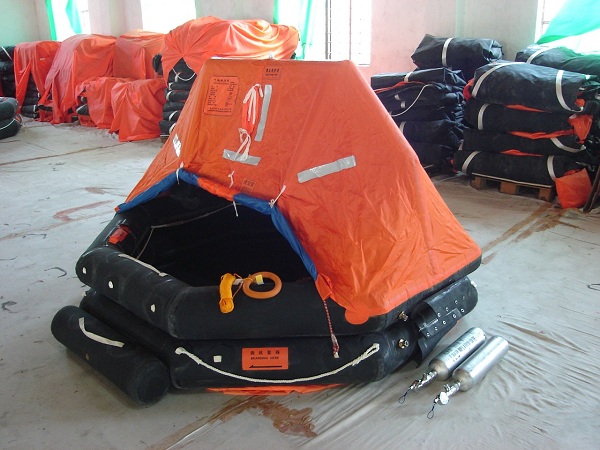
- Cylinder Weighing: Verifying the exact mass of CO2/N2 gas in the inflation cylinders to ensure full deployment.
- Survival Pack Audit: Checking expiry dates and exact quantities of flares, rations, and first aid supplies before packing.
If you are committing to a new supplier, conducting thorough factory audits to review their ISO 9001 quality management systems and their pressure-testing equipment calibration records is a necessary first step.
Pricing, MOQs, and Lead Times
Life raft pricing is heavily dependent on capacity, certification level, and the included survival equipment. Because inflation cylinders are classified as dangerous goods, logistics also play a significant role in landed costs.
When negotiating pricing, clarify exactly what is included in the survival pack. The difference between a SOLAS A pack (designed for extended survival) and a SOLAS B pack (for short-term rescue) significantly alters the BOM (Bill of Materials) cost.
Need to establish reliable pricing and production timelines for your next bulk order? We can help you negotiate directly with vetted manufacturers.
Get a free consultationFrequently Asked Questions
Successfully sourcing life rafts requires treating the product not just as a piece of equipment, but as a critical life-saving system. By enforcing strict material standards, verifying international certifications, and managing the complex logistics of dangerous goods, you can secure reliable survival craft that protect both end-users and your brand's reputation.
Get Sourcing Help for Life Rafts
Tell us your requirements and our experts will connect you with verified manufacturers.