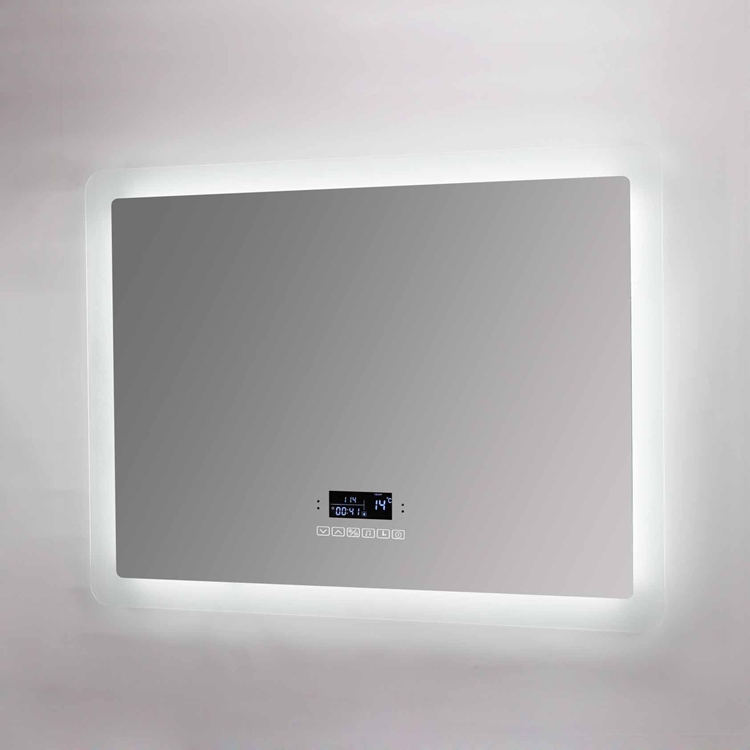
LED Mirrors
Source premium LED mirrors directly from vetted manufacturers and wholesale suppliers. Tailored for importers, wholesalers, distributors, and brands seeking reliable bulk purchasing and OEM/private-label production, our network delivers certified, high-quality illuminated mirrors designed for residential, hospitality, and commercial markets.
Sourcing LED mirrors at scale requires managing a unique intersection of fragile materials and strict electrical safety standards. A successful procurement strategy must balance aesthetic glass quality with the durability of the internal electronics, ensuring the final product survives international freight and performs reliably in high-moisture environments.
Critical Specifications for Commercial LED Mirrors
When negotiating with manufacturers, precision in your technical specifications dictates the final quality. Relying on a factory's "standard" configuration often results in cost-cutting on internal components that aren't immediately visible but will impact longevity.
- Glass Quality and Treatment: The industry standard for high-end applications is 5mm copper-free silver glass. Traditional mirrors use copper in the backing, which accelerates oxidation (the "black edge" effect) in humid environments. Copper-free processing significantly extends the lifespan of bathroom mirrors.
- LED Componentry: Specify the exact LED strip type (typically SMD2835 or SMD5050) and density (e.g., 120 LEDs per meter) to ensure uniform light distribution without visible hot spots. Demand a Color Rendering Index (CRI) of 90 or higher for accurate reflection, and specify the color temperature (typically 3000K warm to 6000K daylight, or tunable/CCT options).
- Drivers and Power Supplies: The LED driver is the most common point of failure. Ensure drivers are appropriately rated for the total wattage of the LEDs plus any additional features (like defoggers), with a minimum 20 percent safety margin.
- Ingress Protection: For bathroom and vanity applications, the entire electrical enclosure must meet minimum IP44 standards to protect against splashing water.
Navigating electrical certifications and glass quality standards can be complex. Let us help you align your specifications with capable manufacturers.
Talk to our teamManufacturing and Quality Control Checkpoints
Because LED mirrors combine electronics with heavy, fragile glass, factory-floor oversight is critical. If you are developing custom models through OEM/ODM Services, prototype validation must include rigorous environmental testing.
Essential QC Checks for LED Mirrors
- Driver Certification: Verify UL, ETL, CE, or RoHS markings directly on the driver unit, not just the factory's claim.
- Edge Sealant: Inspect the epoxy or protective coating applied to the cut edges of the glass to prevent moisture ingress.
- Touch Sensor Responsiveness: Test capacitive touch buttons through the glass for latency and consistent activation.
- Defogger Pad Adhesion: Ensure the PET heating pad is applied smoothly without air bubbles, which can cause uneven heating or glass stress.
- Light Leakage: Check the chassis and frame assembly to ensure light only escapes through the intended frosted channels.
Electrical safety cannot be left to chance. Partnering with facilities that understand your target market's regulatory landscape is non-negotiable, and securing proper Compliance & Testing documentation prior to export prevents customs seizures and liability issues.
Sourcing Economics: MOQs, Pricing, and Lead Times
Pricing for LED mirrors is highly dependent on dimensions, glass thickness, and smart features (Bluetooth speakers, digital clocks, tunable lighting).
Manufacturers often require higher MOQs for custom shapes or proprietary smart-mirror operating systems due to the cost of tooling and custom PCB fabrication. When negotiating pricing, clarify whether the quote includes standard corrugated packaging or drop-test certified mail-order packaging.
Need realistic pricing and lead times for your next volume order? Connect with our sourcing experts.
Get a free consultationPackaging and Freight Logistics
The highest risk in LED mirror sourcing is transit damage. A high-quality product is useless if it arrives shattered. Standard factory packaging is rarely sufficient for individual courier shipping (e.g., FedEx/UPS) unless explicitly negotiated.
For bulk B2B shipments, mirrors must be protected with high-density EPE foam (not cheap EPS/Styrofoam), honeycomb cardboard corner protectors, and heavy-duty outer cartons. Palletization is mandatory; mirrors must be stacked vertically on custom-sized pallets and secured with MDF crating to prevent flexing during ocean transit. Proper Shipping & Freight coordination ensures that containers are loaded to minimize shifting and maximize space utilization without compromising the structural integrity of the bottom tiers.
Sourcing LED mirrors successfully means managing a dual supply chain: high-precision glass processing and reliable electronics assembly. By holding manufacturers to strict standards on both fronts and enforcing rigorous packaging protocols, you can secure long-term profitability and minimize costly return rates.
Get Sourcing Help for LED Mirrors
Tell us your requirements and our experts will connect you with verified manufacturers.