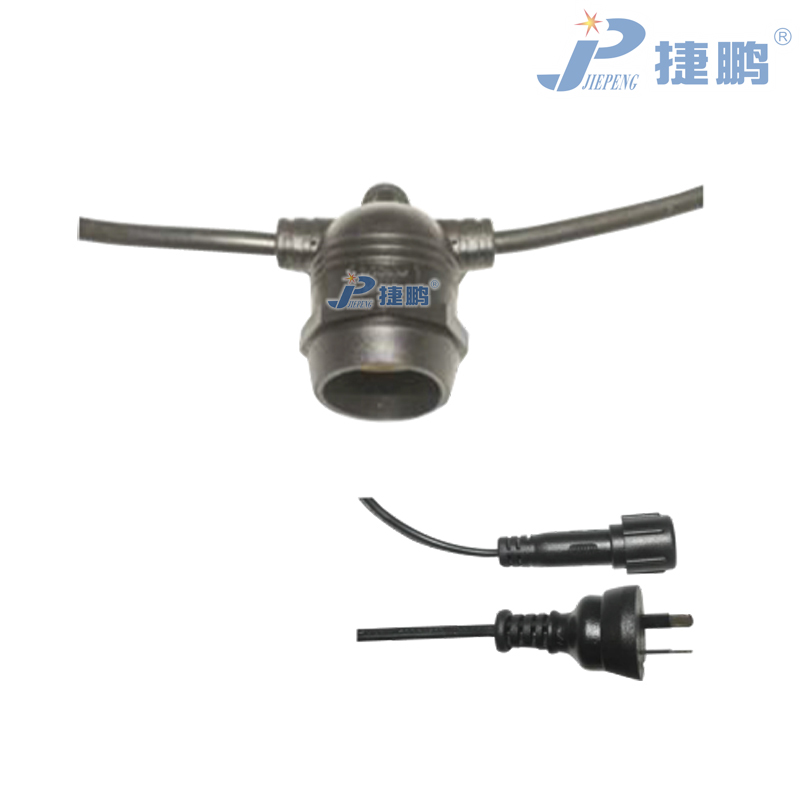
LED Light Strings
Source commercial-grade LED Light Strings directly from vetted manufacturers and wholesale suppliers. Designed for importers, distributors, and brands seeking reliable OEM and private-label production, our network delivers compliant, high-volume lighting solutions for any landscape or architectural project.
Sourcing LED light strings at volume requires balancing aesthetic consistency with rigorous environmental durability. The primary challenge is not simply finding a factory capable of assembling LEDs and wire; it is ensuring that thousands of meters of product will survive prolonged UV exposure, temperature fluctuations, and moisture ingress without failing or shifting in color temperature. For commercial and landscape applications, technical oversight at the factory level is non-negotiable.
Critical Specifications for Commercial Sourcing
When drafting your bill of materials (BOM) or evaluating factory samples, the internal components dictate the lifespan of the string light. Off-the-shelf consumer strings often cut costs in areas invisible to the naked eye.
Wire Gauge and Material
The conductive wire is the most expensive raw material in the product. Reliable commercial strings require pure copper wire, typically 18 AWG to 20 AWG, to handle higher wattages over long runs without voltage drop. Lower-tier suppliers frequently substitute Copper Clad Aluminum (CCA) to reduce costs. CCA is brittle, prone to breaking under tension, and has higher electrical resistance, which can lead to overheating in continuous commercial applications.
Jacketing: PVC vs. Rubber
For the outer cable jacket, the choice between PVC and rubber depends on the installation environment.
| Specification | PVC Cable | Rubber Cable (e.g., H05RN-F) |
|---|---|---|
| Flexibility in Cold | Stiffens below freezing | Remains flexible in sub-zero temps |
| UV Resistance | Moderate; can degrade over time | Excellent; designed for permanent outdoor use |
| Cost Profile | Highly economical | Premium pricing |
| Best Application | Seasonal / Temporary installs | Permanent landscape / Architectural |
Color Consistency and Binning
If you are sourcing warm white (e.g., 2700K) strings for a large landscape project, a noticeable shift in color temperature between batches will ruin the installation. Specify tight color binning (under 3 MacAdam ellipses or SDCM) in your supplier agreements to ensure uniformity.
Struggling to verify supplier component quality? Let our sourcing engineers audit your factory's supply chain.
Get a free consultationManufacturing Tolerances and Quality Control
The manufacturing of LED light strings involves automated wire cutting and LED placement, followed by injection molding to seal the bulb bases. The integrity of this seal is where most waterproof claims fail.
A factory might claim an IP65 rating, but if the injection molding process is inconsistent, microscopic gaps will allow capillary action to draw water into the LED diode, causing premature failure. Catching these defects before shipment requires rigorous quality control and inspection directly on the factory floor, focusing on water-submersion tests and pull-tests on the wire joints.
Pre-Shipment Inspection Focus Areas
- Waterproof Testing: Submersion of the injection-molded joints to verify IP65/IP67 claims.
- Tensile Strength: Pull-testing the connection between the wire and the bulb socket.
- Voltage Drop: Measuring luminosity at the beginning versus the end of a 50-meter run.
- Aging Test: Running strings at maximum voltage for 24 to 48 hours to identify early diode failure.
Compliance and Certifications
Regulatory compliance is a major hurdle in this category. In North America, seasonal and decorative lighting must typically meet UL588 standards. A common factory deception is providing a UL certificate for the raw wire or the plug, rather than the fully assembled string light. Thorough compliance and testing verification is essential to prevent customs seizures or liability issues. For the European market, CE and RoHS compliance with proper technical files (LVD and EMC directives) are mandatory.
Customization and Private Labeling
For brands looking to differentiate, OEM/ODM services allow you to dictate the exact specifications of the product. This includes custom bulb spacing (e.g., 10cm vs 30cm), tailored string lengths, custom connector types (T-connectors, Y-splitters), and the integration of smart IC chips for addressable RGBW control (DMX or app-controlled).
Connector Compatibility
When developing an OEM line of connectable strings, ensure your waterproof screw connectors are standardized across your entire product ecosystem. This allows end-users to seamlessly link your string lights with your branded extension cables and power supplies.
Pricing, MOQs, and Production Lead Times
Understanding the factory's production rhythms and cost drivers will help you negotiate effectively and avoid supply chain bottlenecks.
Peak Season Warning: The global supply chain for decorative lighting operates on a strict seasonal calendar. Factories are at maximum capacity from July through September fulfilling Q4 holiday orders. If you place bulk orders during this window, expect lead times to stretch to 60 days or more, and negotiating leverage on price will be minimal.
Ready to secure reliable production lines before the peak season rush? We manage the entire sourcing process.
Talk to our teamFrequently Asked Questions
Successfully importing commercial LED light strings requires looking past the aesthetic sample and scrutinizing the raw materials and factory assembly methods. By specifying exact wire gauges, demanding strict color binning, and verifying full-product safety certifications, buyers can eliminate the most common failure points before mass production even begins.
Get Sourcing Help for LED Light Strings
Tell us your requirements and our experts will connect you with verified manufacturers.