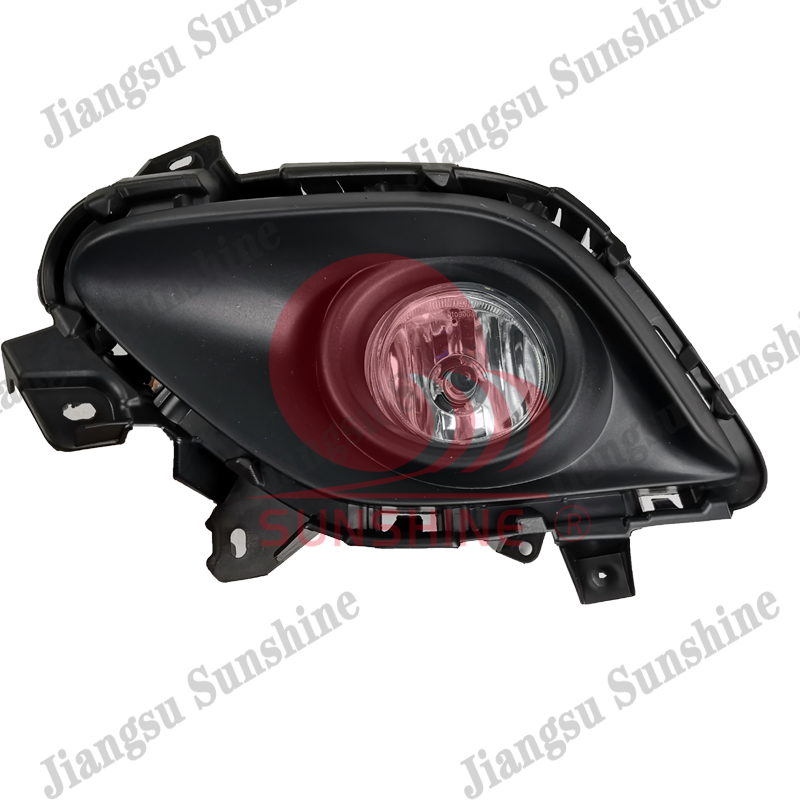
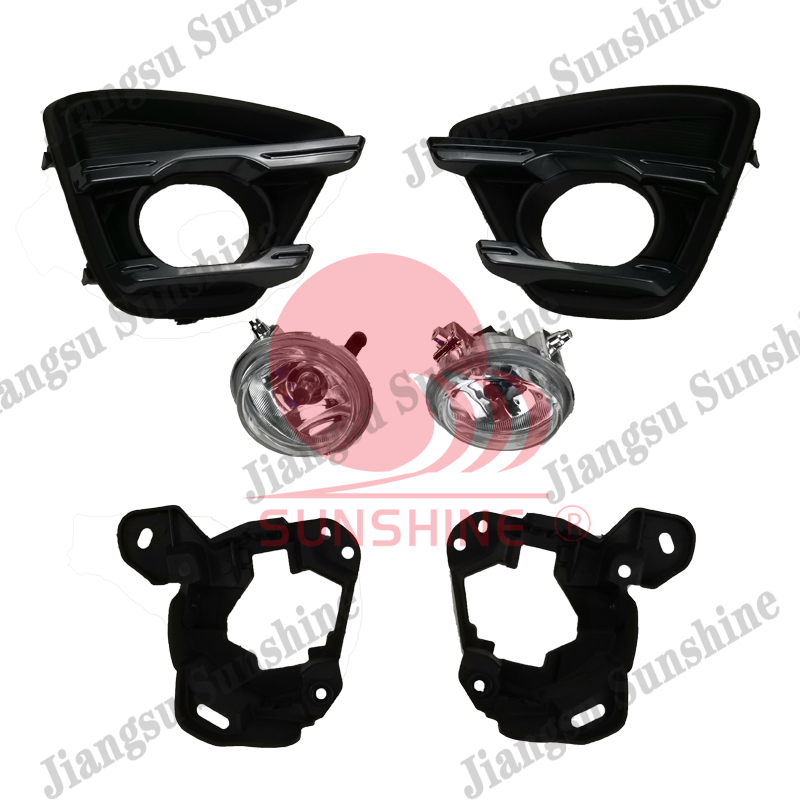
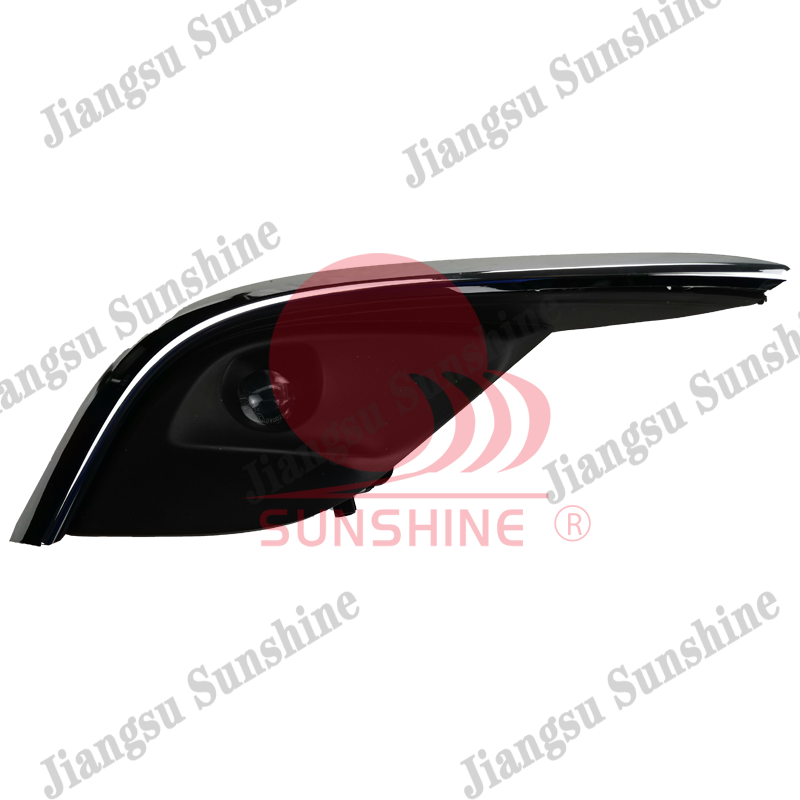
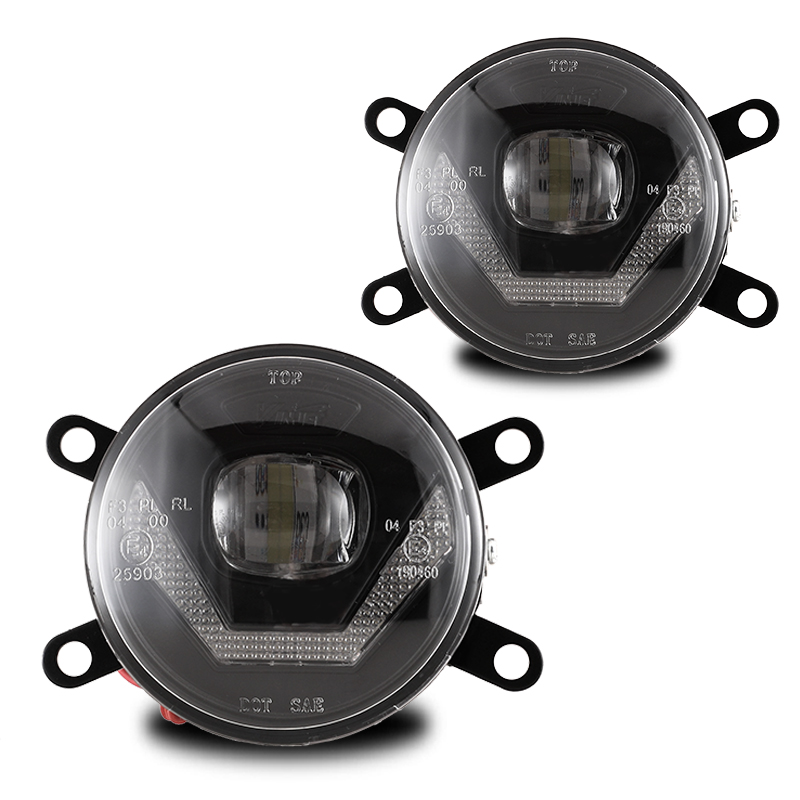
LED Fog & Driving Lights
Source premium LED Fog & Driving Lights from vetted suppliers and manufacturers across Asia. Designed for automotive parts distributors, wholesalers, and brands seeking reliable OEM or private-label production. Secure bulk pricing on high-performance, compliant auxiliary lighting systems built for demanding driving conditions.
Sourcing LED fog and driving lights in high volumes requires navigating a complex landscape of component suppliers, assembly factories, and stringent regulatory standards. While the market is flooded with generic off-the-shelf options, building a reliable, high-performance product line means looking past claimed lumen outputs and focusing heavily on thermal management, optical precision, and environmental sealing.
For professional buyers, the difference between a high-return rate and a profitable product line lies in specifying the right internal components and ensuring the factory has the engineering capability to assemble them correctly.
Critical Component Specifications
When negotiating with manufacturers, the bill of materials (BOM) must be explicitly defined. Factories often swap components to lower costs if specifications are left vague.
Essential BOM Specifications for LED Lights
- LED Chipset: Specify the exact brand and bin (e.g., CREE, OSRAM, Philips) rather than accepting 'high power LED'.
- Thermal Management: Require ADC12 die-cast aluminum housings with appropriately calculated heat sink fin density.
- Optics: Specify PC (Polycarbonate) or PMMA lenses with UV-resistant coatings to prevent yellowing.
- PCB and Driver: Demand constant current drivers with EMC (Electromagnetic Compatibility) filtering to prevent radio interference.
- Sealing and Venting: Specify military-style breather valves to eliminate internal condensation and require IP67, IP68, or IP69K ratings.
Need help verifying a supplier's technical capabilities? We can audit their engineering standards before you place an order.
Talk to our teamManufacturing Quality & Supplier Verification
The primary manufacturing hubs for LED automotive lighting are located in Guangdong and Zhejiang provinces in China. While many trading companies present themselves as manufacturers, true factories will have visible investments in specific testing equipment.
Before committing to a supplier, it is highly recommended to conduct comprehensive Factory Audits to verify their production floor. Look for integrating spheres (for measuring true lumen output and color temperature), vibration testing machines, and salt-spray chambers for corrosion testing.
| Build Tier | Typical Chipset | Housing & Thermal | Market Fit |
|---|---|---|---|
| Premium / Off-Road | Authentic CREE / OSRAM | ADC12 Die-cast, custom fin design | Performance brands, heavy-duty |
| Standard Aftermarket | Epistar / San'an | Standard extruded or cast aluminum | General replacement, budget retail |
Regulatory Compliance and Beam Patterns
A common pitfall in sourcing driving lights is importing products that fail local road regulations. A light might be exceptionally bright but feature a scattered beam pattern that blinds oncoming traffic. Depending on your market, products must meet DOT (North America) or ECE (Europe) standards. Ensuring your supplier understands these photometric requirements is critical. Engaging a partner for Compliance & Testing can prevent costly customs seizures or forced recalls.
OEM & Customization Strategies
For brands looking to differentiate, custom tooling is often required. While off-the-shelf housings are abundant, OEM/ODM Services allow you to design proprietary aesthetics, integrate custom daytime running light (DRL) signatures, and engineer specific beam patterns (e.g., hyper-spot, wide-flood, or SAE-compliant fog).
When developing custom molds, clearly define who owns the intellectual property and the physical mold after the production run.
Realistic Buying Mechanics: MOQs, Pricing, and Lead Times
Understanding standard industry terms helps in negotiating better contracts and planning your inventory cycles.
Pricing is highly volatile and directly tied to the cost of aluminum and the tier of the LED chips used. Beware of quotes that are significantly below market average; this almost always indicates the use of counterfeit chips, thinner aluminum housings, or poor-quality drivers that will fail under thermal stress.
To mitigate these risks, rigorous Quality Control & Inspection should be implemented at the factory. Pre-shipment inspections must include a 12-to-24-hour aging test to identify early failures in the LED drivers.
Struggling with high defect rates or inconsistent factory pricing? Let us manage your supply chain and quality control.
Get a free consultationFrequently Asked Questions
Successfully sourcing LED fog and driving lights requires balancing thermal physics with strict cost controls. By specifying exact components, demanding rigorous testing, and conducting thorough on-site inspections, you can build a resilient supply chain that delivers reliable automotive lighting at scale.
Get Sourcing Help for LED Fog & Driving Lights
Tell us your requirements and our experts will connect you with verified manufacturers.