LED Bulbs
Source high-performance LED bulbs from vetted manufacturers and wholesale suppliers across Asia. Designed for importers, distributors, and lighting brands, this catalog offers direct access to scalable production, OEM/ODM customization, and bulk fulfillment for commercial and residential applications.
Sourcing LED bulbs at scale requires navigating a highly fragmented manufacturing base where external appearances often mask internal cost-cutting. For volume buyers, the challenge isn't just finding a factory; it's securing a supply chain that consistently balances luminous efficacy, thermal management, and strict market compliance without eroding margins.
Core Specifications and Component Quality
The reliability of an LED bulb is dictated by its internal architecture. Factories often offer visually identical bulbs at vastly different price points, achieved by downgrading internal components. When specifying your requirements, mandate clear standards for the three critical components: the LED chips, the heat sink, and the driver.
LED Chips and Efficacy
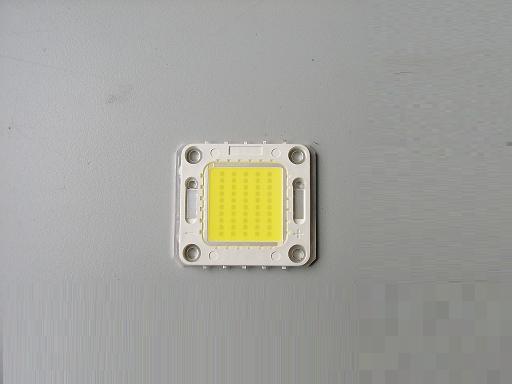
Most standard bulbs utilize SMD (Surface-Mounted Device) chips, typically SMD 2835 or SMD 5730. When negotiating, specify the required luminous efficacy (lumens per watt) and the Color Rendering Index (CRI). A standard commercial bulb should deliver 90 to 100 lm/W with a CRI of 80 or higher. For premium retail markets, you may require a CRI of 90 or above, which will increase chip costs and slightly reduce overall lumen output.
Thermal Management (Heat Sinks)
Heat is the primary enemy of LED lifespan. The heat sink material directly impacts thermal dissipation and, consequently, the degradation rate of the chips.
- Plastic: Cheapest, lowest heat dissipation. Only suitable for low-wattage bulbs (under 5W).
- Plastic-Clad Aluminum: The industry standard for 7W to 15W bulbs. Offers a balance of safety (insulation) and thermal conductivity.
- Die-Cast Aluminum: Essential for high-wattage bulbs (over 15W) to prevent premature failure.
Driver Architecture
The driver regulates voltage and current. Driver failure is the most common cause of dead LED bulbs.
| Driver Type | Lifespan | Power Factor (PF) | Best For |
|---|---|---|---|
| RC (Resistor-Capacitor) | Under 10,000 hrs | Low (approx. 0.3) | Budget/Temporary lighting |
| Non-Isolated IC | 15,000 - 25,000 hrs | Medium (0.5 - 0.7) | Standard residential markets |
| Isolated IC | 30,000+ hrs | High (greater than 0.9) | Commercial/Premium markets |
Need help standardizing your LED bulb specifications across multiple suppliers? Merhein can structure your technical requirements to ensure apples-to-apples factory quoting.
Talk to our teamManufacturing Tolerances and Quality Control
Even with premium components, poor assembly ruins yields. Cold soldering on the PCB, improper application of thermal paste between the PCB and the heat sink, or loose bases (E26/E27/B22) will lead to high defect rates upon arrival.
Robust Quality Control & Inspection is non-negotiable. At the factory level, the most critical QC step is the aging test (burn-in test).
Critical Factory QC Checkpoints
- Verify thermal paste coverage (must be 100% uniform between PCB and heat sink).
- Confirm aging test duration (minimum 2 to 4 hours, cycling on and off to test driver stress).
- Check base torque strength to ensure the cap does not detach during installation.
- Conduct integrating sphere testing on random samples to verify lumen output and color temperature (CCT) consistency.
Before committing to a high-volume run, executing thorough Factory Audits ensures the supplier actually possesses the automated SMT (Surface-Mount Technology) lines and integrating spheres they claim to have, rather than outsourcing to sub-tier workshops.
Certifications and Market Compliance
Lighting is heavily regulated. Importing non-compliant electrical goods poses severe liability risks and risks customs seizure.
- North America: Requires UL or ETL listing for safety. Energy Star certification is often necessary for utility rebate programs.
- Europe: CE (LVD and EMC directives) and RoHS are mandatory. The ErP (Energy-related Products) directive dictates strict eco-design requirements.
- Middle East: SASO (Saudi Arabia) or ESMA (UAE) certifications are required, which involve specific energy efficiency labeling.
Do not accept a supplier's CE or UL mark at face value. Always verify the certificate number with the issuing body, as fake or expired certificates are common. Utilizing professional Compliance & Testing services ensures your products meet the exact regulatory demands of your destination market.
Typical Pricing, MOQs, and Lead Times
The LED bulb market is high-volume and low-margin. Factories optimize for continuous production runs.
If you are building a proprietary brand, leveraging OEM/ODM Services allows you to customize the CCT, beam angle, driver specifications, and retail packaging. Note that custom molds for unique bulb shapes or proprietary heat sinks will increase lead times by 15 to 20 days and require tooling fees.
Struggling with inconsistent quality or rising costs from your current lighting supplier? Let us audit your supply chain and negotiate better terms.
Get a free consultationBuyer FAQ
Sourcing LED bulbs profitably is an exercise in strict specification management and relentless quality oversight. When you control the bill of materials and enforce rigorous in-line inspections, you eliminate the variability that plagues standard wholesale purchasing. If you need experienced boots on the ground to manage your lighting procurement from factory floor to final delivery, our team is ready to assist.
Get Sourcing Help for LED Bulbs
Tell us your requirements and our experts will connect you with verified manufacturers.