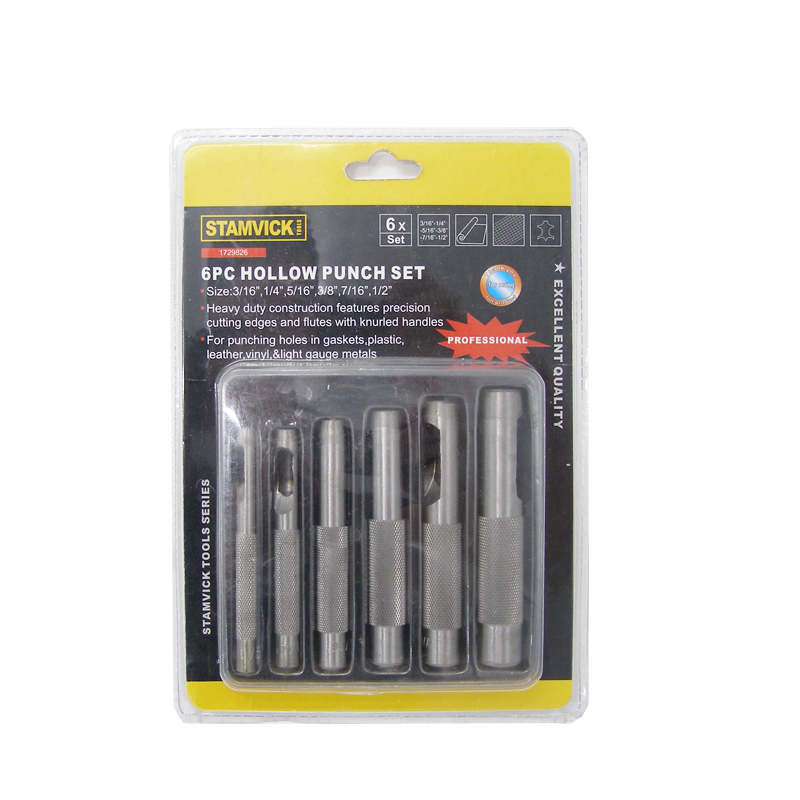
Leather Punch Tools
Source professional-grade leather punch tools directly from vetted manufacturers and suppliers. Designed for importers, wholesalers, and brands seeking reliable OEM and private-label production, our network delivers bulk quantities of precision-engineered hand tools with consistent cutting performance.
When importing leather punch tools in volume, the primary challenge is securing consistent cutting performance across thousands of units. A punch tool's lifespan relies heavily on the quality of its steel, the precision of its heat treatment, and the alignment of its mechanical components. Sourcing at scale requires moving past standard commodity options to specify the exact metallurgical and mechanical tolerances your market demands.
Material Specifications & Heat Treatment
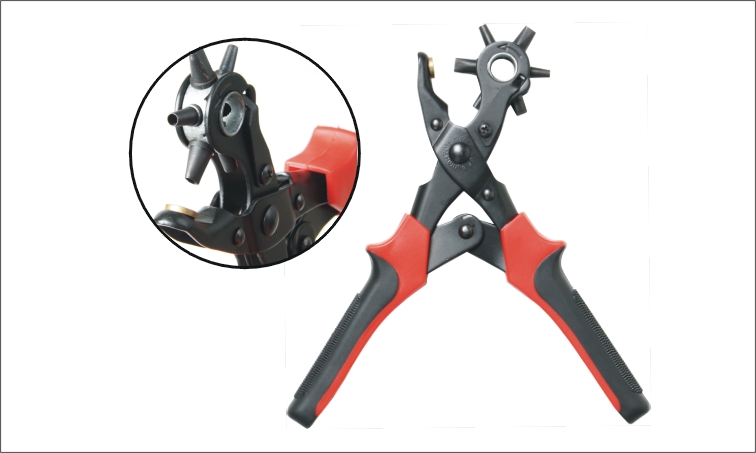
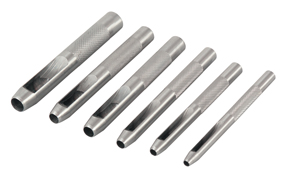
The core of any leather punch—whether a rotary plier style or a heavy-duty drive punch—is the cutting tube. The steel grade and its subsequent heat treatment dictate the tool's edge retention and resistance to deformation when striking dense materials like saddle leather or thick webbing.
| Steel Grade | Typical Application | Performance Characteristics |
|---|---|---|
| 45# Carbon Steel | Budget / Promotional Tools | Adequate for thin materials; dulls quickly on heavy leather. |
| Chrome Vanadium (Cr-V) | Mid-Range / Professional | Excellent balance of toughness and edge retention; highly durable. |
| SK5 High Carbon Steel | Premium / Heavy-Duty | Superior hardness for crisp cuts; requires precise tempering to avoid brittleness. |
The critical specification for the cutting edge is its Rockwell Hardness (HRC). A well-manufactured punch tube should measure between 45 and 52 HRC. If the steel is tempered below 45 HRC, the edge will roll or blunt after minimal use. If it is hardened beyond 52 HRC without proper tempering, the thin edge of the tube becomes brittle and is prone to micro-chipping under high impact.
Need help verifying supplier steel grades and heat treatment capabilities before placing a bulk order?
Talk to our teamQuality Control: Where Factories Cut Corners
In high-volume production, inconsistencies often arise during assembly and final finishing. A robust Quality Control & Inspection protocol is essential to catch mechanical and cosmetic flaws before shipment.
Critical Inspection Points for Leather Punches
- Anvil Alignment: In rotary punches, the cutting tube must strike the brass or copper anvil perfectly dead-center. Misalignment results in incomplete, hanging cuts.
- Spring Tension and Fatigue: The return spring must maintain consistent tension without fatiguing after 10,000-plus compression cycles.
- Internal Tube Tapering: The inside of the punch tube must be slightly tapered outward to allow leather slugs to clear easily; straight tubes will clog and jam.
- Handle Grip Adhesion: PVC or TPR dipped handles must not peel, slip, or rotate under heavy gripping pressure.
- Surface Finish: Uniform electroplating, powder coating, or black oxide treatment is required to prevent rapid oxidation and rust.
Customization and OEM Production
For hand tool brands and distributors, differentiation often comes down to ergonomics and custom branding. When utilizing OEM/ODM Services, buyers can specify custom handle molds, such as dual-color TPR injection molding, which offers superior grip comfort compared to standard single-dip PVC handles.
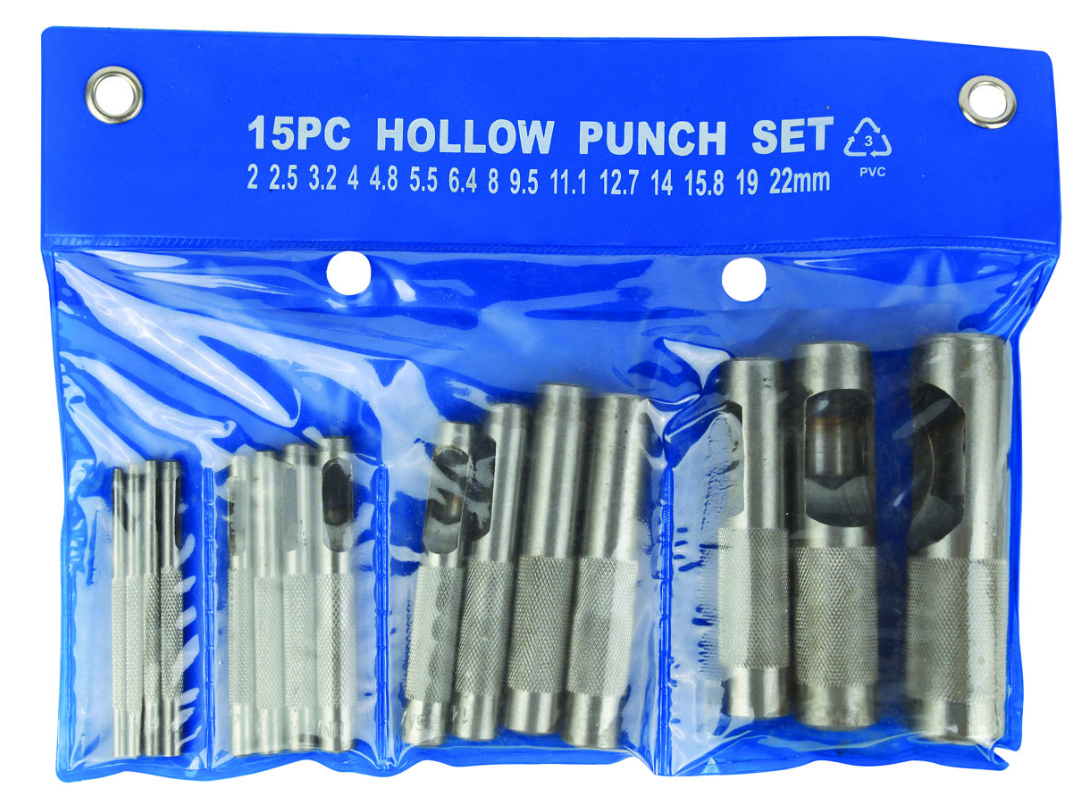
Additionally, OEM buyers can customize the punch hole dimensions (e.g., specific metric or imperial configurations for specialized industries), laser-etch logos directly onto the steel frame, and design bespoke blister card or clamshell packaging suitable for retail display.
Pricing Drivers, MOQs, and Production Lead Times
Understanding the operational realities of hand tool manufacturers in primary hubs like Zhejiang and Guangdong is crucial for planning your procurement cycle.
Unit costs are primarily driven by the steel grade of the cutting heads and the complexity of the handle design. A basic stamped steel frame with 45# carbon tubes will price significantly lower than a drop-forged frame with SK5 cutting heads and bi-material injected handles. Conducting thorough Factory Audits is highly recommended to ensure your chosen supplier has in-house heat treatment and stamping capabilities, rather than merely assembling outsourced components.
Streamline your hand tool sourcing with direct factory access and rigorous quality oversight.
Get a free consultationFrequently Asked Questions
Successfully sourcing leather punch tools requires balancing unit cost with the critical mechanical tolerances that define a professional-grade hand tool. By specifying exact steel grades and enforcing strict alignment checks, buyers can secure tools that deliver long-lasting, consistent performance for their end-users.
Get Sourcing Help for Leather Punch Tools
Tell us your requirements and our experts will connect you with verified manufacturers.