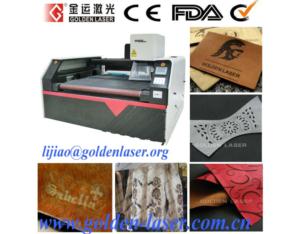
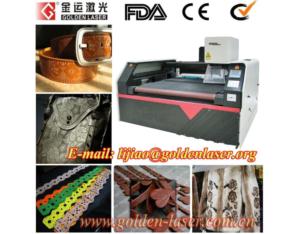
Leather machinery
Source industrial leather machinery from vetted manufacturers and suppliers. Designed for importers, distributors, and leather goods brands seeking reliable bulk purchasing and OEM production. Discover high-performance equipment for cutting, skiving, and processing with competitive wholesale pricing.
Sourcing industrial leather machinery—whether for footwear, automotive upholstery, or high-end accessories—requires balancing mechanical precision with heavy-duty durability. As production shifts toward CNC and PLC-controlled equipment to improve yield rates and reduce material waste, importing these machines demands strict attention to electrical standards, software localization, and component quality.
Defining Core Machine Specifications
When negotiating with manufacturers, vague specifications lead to substandard equipment. Industrial leather processing involves high torque and significant cutting forces, meaning the internal components matter just as much as the external build.
You must clearly define the working parameters based on the end user's production line. For die-cutting presses, specify the exact cutting force (in tons) and the daylight opening. For skiving and splitting machines, the working width and minimum splitting thickness (often down to 0.1mm) dictate the required precision of the blade and feeding mechanism.
| System Component | Standard Domestic Configuration | Premium Export Configuration |
|---|---|---|
| Control System (PLC) | Domestic brand, Chinese interface | International brand (Siemens/Omron), English/Multi-language |
| Drive Motors | Standard clutch or basic stepper | High-precision AC servo (Panasonic/Yaskawa) |
| Safety Features | Basic emergency stop buttons | Infrared light curtains, CE-compliant guarding |
| Hydraulics | Locally sourced valves and pumps | Imported hydraulic components (Rexroth/Yuken) |
Electrical Compatibility
Never assume the factory will default to your destination's electrical standards. Standard industrial power in China is 380V/50Hz (3-phase). If you require 220V/60Hz or 415V/50Hz, this must be specified in the initial RFQ, as it requires custom motor winding and different inverters.
Quality Control and Factory Vetting
The primary risk when buying leather machinery in bulk or for distribution is poor after-sales reliability. A machine that breaks down and cannot be easily repaired is a total loss for a production facility.
When evaluating suppliers, it is critical to conduct thorough Factory Audits to verify their assembly processes, testing capabilities, and whether they actually manufacture the core chassis or merely assemble purchased parts.
Need help verifying machinery suppliers and ensuring export-grade quality? Get expert guidance on your sourcing project.
Talk to our teamBefore authorizing shipment, rigorous Quality Control & Inspection is non-negotiable. Your pre-shipment checklist should include:
- Continuous run testing: Operating the machine at maximum load for at least 2 to 4 hours.
- Software verification: Confirming the PLC/HMI interface is fully translated into English or the target language.
- Precision testing: Measuring the output against standard tolerances (e.g., skiving thickness consistency).
- Safety sensor checks: Triggering light curtains and emergency stops during active operation.
- Documentation review: Ensuring English operation manuals, wiring diagrams, and CE certificates are included.
Pricing, MOQs, and Lead Times
Leather machinery pricing is highly modular. A base model might look inexpensive, but upgrading to CE-compliant safety features, servo motors, and heavy-duty cast iron frames will increase the unit cost by 20 percent to 40 percent.
- Minimum Order Quantities (MOQs): For heavy equipment (hydraulic cutting presses, CNC oscillating knife cutters), the MOQ is typically 1 unit. For smaller benchtop equipment (edge folding machines, manual skivers), factories often expect MOQs of 5 to 10 units for wholesale pricing.
- Lead Times: Standard machines with standard voltage generally take 15 to 25 days to manufacture. Customized voltage, specialized tooling, or OEM branding pushes lead times to 35 to 45 days.
- Logistics: Because these machines are heavy and sensitive to moisture, they require ISPM-15 compliant wooden crating and vacuum-sealed foil bagging with desiccants. Coordinating Shipping & Freight for heavy machinery often means optimizing FCL (Full Container Load) layouts to balance weight distribution and minimize freight costs.
Optimize your machinery supply chain from factory floor to final delivery. Speak with our logistics and sourcing experts.
Get a free consultationFrequently Asked Questions
Final Sourcing Insight
Successfully importing leather machinery requires looking past the outer casing and evaluating the internal architecture. The most expensive mistakes happen when buyers fail to specify component brands, voltage requirements, and software languages upfront. By controlling these variables during the initial negotiation and enforcing strict pre-shipment testing, you ensure the equipment performs reliably on the production floor from day one.
Get Sourcing Help for Leather machinery
Tell us your requirements and our experts will connect you with verified manufacturers.