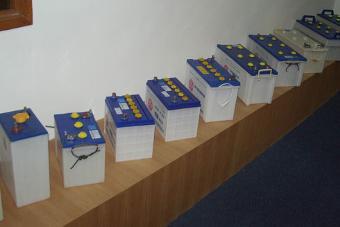
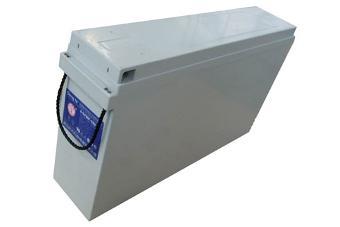
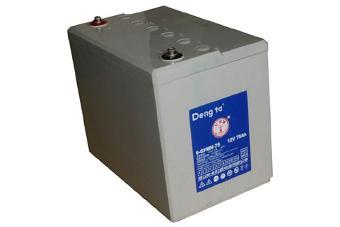
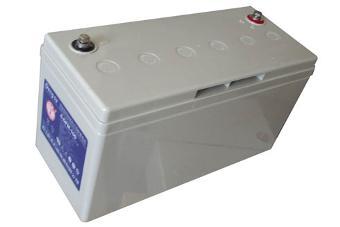
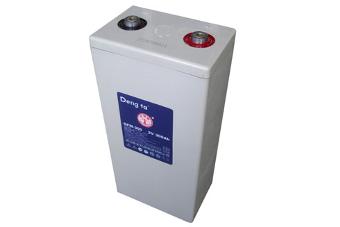
Lead-Acid Batteries
Source high-performance Lead-Acid Batteries from vetted suppliers and manufacturers. Designed for importers, wholesalers, distributors, and brands requiring reliable OEM production, our network delivers industrial-grade energy storage solutions in bulk. Secure competitive pricing and strict quality compliance for your high-volume orders.
While newer chemistries dominate consumer headlines, lead-acid batteries remain the undisputed backbone for UPS systems, industrial traction, telecom infrastructure, and stationary energy storage. The sourcing challenge in this category isn't finding a supplier—it is verifying that the factory isn't cutting corners on lead purity, grid thickness, or active material to hit an artificially low price point.
For high-volume buyers, securing reliable lead-acid batteries requires strict specification management, rigorous factory vetting, and a supply chain built to handle exceptionally heavy freight.
Critical Specifications and the "Weight Test"
In lead-acid manufacturing, lead accounts for the vast majority of the raw material cost. The most common tactic low-cost suppliers use to undercut the market is reducing the lead content. This manifests as thinner plates or lower-density active material, which drastically reduces cycle life and capacity retention.
When establishing your OEM/ODM specifications, weight is your baseline lie detector. A battery's weight should perfectly correlate with its rated Amp-Hour (Ah) capacity.
Beyond weight and purity, ensure your factory agreements explicitly define the grid alloy composition (e.g., lead-calcium-tin for maintenance-free VRLA) and the specific gravity of the electrolyte.
Struggling to verify factory claims on lead purity and cycle life? Let us audit your suppliers and enforce your technical specifications.
Talk to our teamManufacturing Vulnerabilities and Quality Control
A lead-acid battery is only as good as the curing process of its plates. If a factory rushes production to meet a tight lead time, the active material will not bond properly to the lead grid, leading to premature shedding and battery failure in the field.
When conducting Factory Audits, pay close attention to the pasting and curing stages.
Key Factory Audit & QC Checkpoints
- Curing Chamber Climate: Verify automated temperature and humidity controls in curing rooms (typically requires 48 to 72 hours).
- Grid Casting Quality: Check for flash, voids, or uneven thickness in the cast grids.
- Plate Weighing: Ensure automated or strict manual weighing of pasted plates to guarantee uniform capacity across cells.
- Formation Charging: Verify that the factory uses water-bath formation to control temperatures during the initial charge, preventing grid corrosion.
- High-Rate Discharge Testing: Ensure every completed unit undergoes a short, high-amp discharge test to expose weak inter-cell welds.
Because internal defects are invisible once the battery is sealed, rigorous Quality Control & Inspection must occur during production (in-line), not just prior to shipment.
Compliance and Heavy Freight Logistics
Lead-acid batteries are classified as hazardous materials (Hazmat) depending on their construction. Valve-Regulated Lead-Acid (VRLA) batteries, including AGM and Gel types, can usually be shipped as non-hazardous under UN2800 provisions, provided they pass vibration and pressure differential tests. Flooded batteries, however, fall under strict Class 8 Corrosive regulations (UN2794).
Regulatory Compliance
Do not assume a factory's CE or UL certificates are valid for your specific OEM run. Independent Compliance & Testing is highly recommended to verify that your batch meets regional safety and environmental standards (such as RoHS and REACH regarding heavy metals).
Furthermore, logistics for this category are dominated by weight rather than volume. A standard 20-foot container will "weigh out" (hit maximum legal payload limits) long before it "cubes out" (fills the physical space). Coordinating with a partner experienced in heavy Shipping & Freight is essential to optimize pallet configurations and avoid overweight axle fines at destination ports.
MOQs, Lead Times, and Pricing Dynamics
Pricing in the lead-acid sector is highly volatile and directly pegged to the London Metal Exchange (LME) spot price for lead. Factory quotes are typically only valid for 7 to 15 days.
- Minimum Order Quantities (MOQs): Due to the heavy nature of the product, MOQs are almost always calculated by the pallet or container load. Expect typical MOQs of 100 to 500 pieces for industrial batteries, or 1,000+ pieces for smaller UPS/alarm batteries.
- Lead Times: Standard production takes 25 to 40 days. Be wary of factories promising lead times under 20 days; this often indicates they are shortening the critical plate-curing process.
- Pricing Structure: Ensure your quotes separate the base manufacturing cost from the fluctuating lead material cost, allowing you to track price changes fairly against the LME index.
Need help negotiating LME-pegged pricing and managing heavy freight logistics? Partner with our sourcing experts.
Get a free consultationFrequently Asked Questions
Successfully sourcing lead-acid batteries at scale requires a deep understanding of metallurgy, battery chemistry, and heavy-freight logistics. By enforcing strict weight tolerances and auditing the factory's curing processes, you can secure reliable industrial power solutions that protect your brand's reputation in the field.
Get Sourcing Help for Lead-Acid Batteries
Tell us your requirements and our experts will connect you with verified manufacturers.