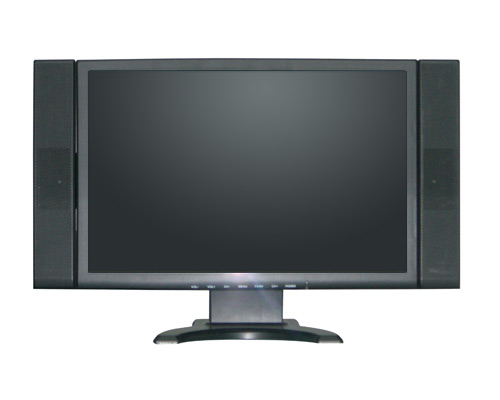
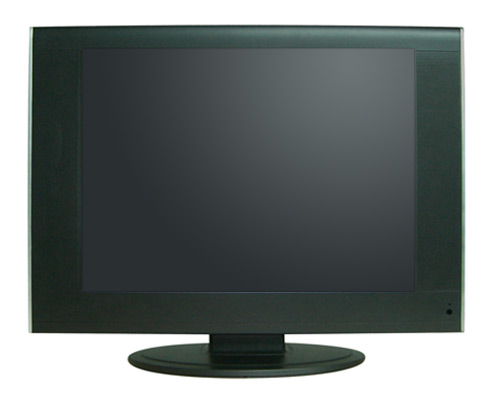
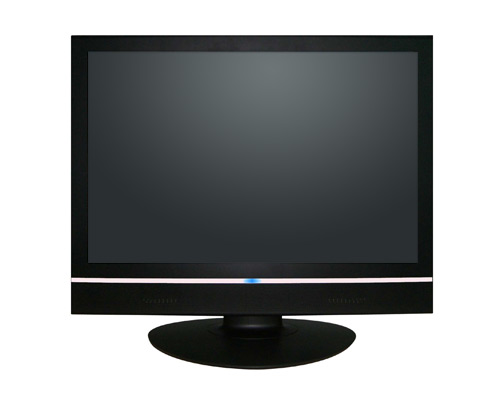
LCD Modules
Source high-quality LCD modules from vetted manufacturers and suppliers in China and across Asia. Designed for wholesale distributors, procurement managers, and electronics brands, our network supports bulk orders, custom OEM/ODM production, and strict quality control to keep your supply chain reliable.
Sourcing LCD modules at scale requires balancing unit cost with optical performance, interface compatibility, and long-term reliability. Whether you are procuring standard TFT character displays for industrial equipment or high-resolution capacitive touch panels for consumer electronics, the primary challenge lies in yield consistency. A poorly vetted production line can introduce backlight bleeding, dead pixels, or FPC bonding failures that only appear after final assembly.
Navigating the supplier landscape in hubs like Shenzhen and Guangdong means distinguishing between true panel manufacturers, module assemblers, and trading companies.
Key Specifications & Interface Protocols
Selecting the right module architecture depends heavily on your mainboard's processing power and the end-user environment. Procurement teams must specify exact parameters to avoid costly redesigns.
- Display Technology: TN (Twisted Nematic) remains cost-effective for basic interfaces, while IPS (In-Plane Switching) is mandatory for applications requiring wide viewing angles (up to 178 degrees) and accurate color reproduction.
- Brightness (Luminance): Standard indoor modules typically output 250 to 350 nits. Outdoor or industrial applications require high-brightness backlights exceeding 800 nits, often paired with anti-glare surface treatments.
- Operating Temperature Ranges: Standard commercial modules operate between 0 and 50 degrees Celsius. Industrial and automotive grades require extended ranges, typically from -20 to 70 degrees Celsius or wider, utilizing specialized liquid crystal fluids.
| Interface Protocol | Typical Application | Bandwidth / Complexity |
|---|---|---|
| SPI / I2C | Small character/monochrome displays | Low bandwidth, simple routing |
| RGB (Parallel) | Mid-size TFTs (up to 7 inches) | Medium bandwidth, high pin count |
| MIPI DSI | High-res consumer electronics | High bandwidth, differential signaling |
| LVDS | Large industrial/medical displays | High bandwidth, excellent EMI resistance |
Need help matching a display module to your existing hardware architecture? Our engineers can help you source the right components.
Discuss your specsManufacturing & Defect Control
The quality of an LCD module is largely determined by the cleanroom environment and the precision of the bonding processes during assembly.
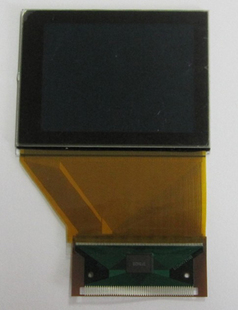
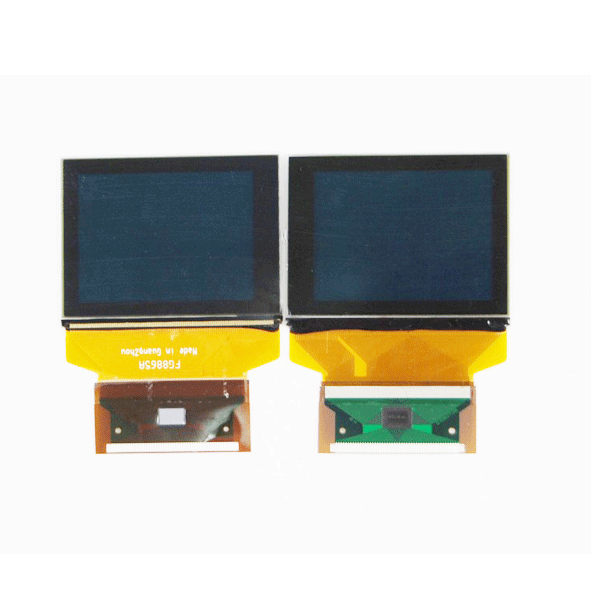
Most module suppliers purchase raw glass panels from major fabricators (like BOE or Innolux) and perform the backend assembly: attaching the driver IC, FPC (Flexible Printed Circuit), backlight unit, and touch panel.
Critical Quality Control Checkpoints
- Cleanroom Class: Ensure the facility maintains Class 1000 or better for optical bonding to prevent dust inclusions.
- COG/COB Bonding: Verify the ACF (Anisotropic Conductive Film) bonding pressure and temperature profiles.
- Backlight Uniformity: Test for hot spots, edge bleeding, and consistent color temperature across the panel.
- Aging Tests: Confirm burn-in testing protocols at elevated temperatures to catch early-life failures.
Implementing rigorous Quality Control & Inspection at the factory level—including pre-shipment aging and visual defect sorting—is the only way to ensure your incoming yield rates remain in the acceptable high-90s percentile.
Customization and OEM/ODM Integration
Off-the-shelf modules rarely fit perfectly into custom product enclosures. Engaging a factory for OEM/ODM Services allows you to tailor the module to your mechanical and electrical constraints.
Common customizations include modifying the FPC length and shape to reach your mainboard, upgrading the backlight LED array for higher luminance, or integrating a custom CTP (Capacitive Touch Panel) with specific cover glass thickness (e.g., for vandal resistance). Tooling costs (NRE) for these modifications are generally reasonable, provided your volume justifies the initial setup.
Buying Mechanics: MOQ, Pricing, and Lead Times
Pricing in the LCD module market is highly sensitive to glass panel supply cycles, IC shortages, and order volume. Verifying a supplier's true production capacity through Factory Audits is crucial before committing to large blanket orders.
Ready to price out your LCD module requirements? Speak with our procurement team to get accurate lead times and factory-direct pricing.
Get a sourcing quoteFrequently Asked Questions
Successful LCD module sourcing is rarely about finding the absolute lowest unit price; it is about securing a stable supply of consistent, high-yield components that will not cause assembly bottlenecks or field failures. Partnering with the right factory ensures your displays perform exactly as engineered, batch after batch.
Get Sourcing Help for LCD Modules
Tell us your requirements and our experts will connect you with verified manufacturers.