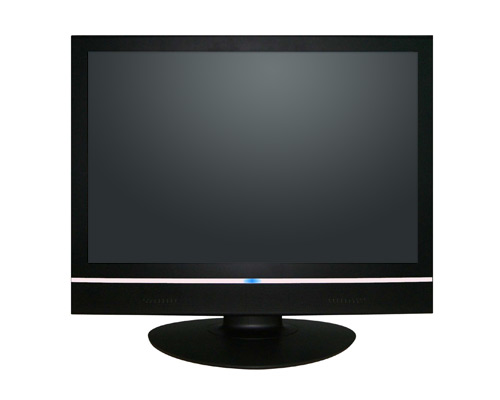
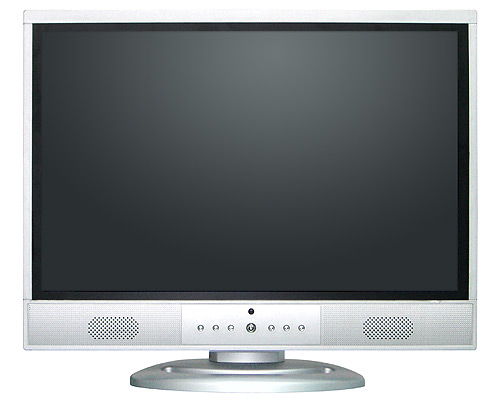
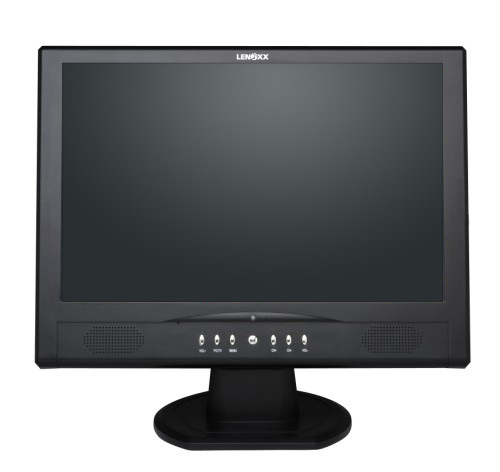
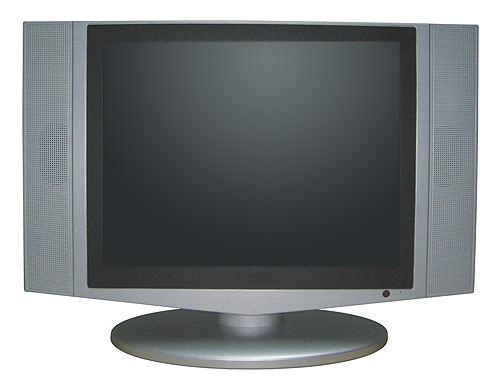
LCD Displays
Source commercial-grade LCD displays from vetted manufacturers and suppliers. Designed for importers, distributors, and brands seeking reliable OEM and private-label production, our network delivers high-volume digital signage solutions built to strict quality standards and rigorous technical specifications.
Sourcing commercial LCD displays in volume requires navigating a fragmented supply chain of panel fabricators, AD (Analog-to-Digital) board developers, and final assembly plants. The physical difference between a standard consumer monitor and a commercial-grade digital signage display lies deep within the bill of materials—specifically in thermal management, power supply stability, and panel grading. For bulk buyers, controlling these specifications at the factory level is the only way to ensure long-term reliability in the field.
Defining Core Specifications for Commercial Deployments
When negotiating with final assemblers, you must dictate the exact components used. Relying on a factory's default "commercial" configuration often results in consumer-grade components housed in a metal enclosure.
Your technical specification sheet should explicitly define the LCD glass origin (e.g., BOE, AUO, LG) and the panel grade. True commercial displays require "Grade A" panels, defined by strict tolerances for dead pixels, stuck pixels, and backlight bleed. Furthermore, brightness levels must align with the deployment environment. Standard indoor displays typically range from 350 to 500 nits, while high-ambient light or window-facing units require 1500 to 3000 nits to remain readable.
| Specification | Consumer / Light Commercial | True Commercial (24/7) |
|---|---|---|
| Duty Cycle | 8/5 or 16/7 | 24/7 Continuous |
| Thermal Management | Passive cooling | Active cooling / Heat sinks |
| Panel Lifespan (MTBF) | 30,000 hours | 50,000 to 60,000+ hours |
| Enclosure | Plastic | Cold-rolled steel / Aluminum |
Need a reliable assembly partner for your next digital signage rollout? Let us handle the vetting, technical negotiations, and factory coordination.
Talk to our teamManufacturing Tolerances and Quality Control
The most critical stage in LCD manufacturing is the cleanroom assembly where the open-cell panel is mated with the backlight unit (BLU). Even microscopic dust particles trapped between the diffuser layers and the LCD glass will result in permanent dark spots. Verifying a factory's cleanroom classification (usually ISO Class 5 or better) is a mandatory step before issuing a purchase order. We strongly recommend conducting thorough Factory Audits to validate these environmental controls firsthand.
Beyond the cleanroom, thermal testing is paramount. High-brightness displays generate significant heat. If the internal temperature exceeds the liquid crystal's clearing point (the temperature at which the liquid crystal turns isotropic), the screen will develop black blotches.
Critical Factory-Level QC Checks for LCD Orders
- Backlight Uniformity: Test for light bleed at edges using a 100% black test pattern in a dark room.
- Burn-in Testing: Minimum 48-hour continuous operation at elevated temperatures (40°C) to catch early component failure.
- Pixel Defect Mapping: Strict adherence to ISO 9241-302 standards for acceptable pixel anomalies.
- Vibration Testing: Simulating transit conditions to ensure internal ribbon cables and AD boards remain seated.
Implementing rigorous Quality Control & Inspection protocols prior to shipment is the only way to prevent defective units from reaching your warehouse. Reworking an LCD display after it has been imported is rarely cost-effective.
Customization and Integration
Many buyers require specialized interfaces, embedded media players (like Android or Windows OPS modules), or custom enclosures to fit specific architectural requirements. Leveraging OEM/ODM Services allows you to dictate the I/O port configuration, integrate specific touch overlays (PCAP or IR), and customize the bezel width and branding. Ensure that your supplier has in-house mechanical engineering capabilities to design proper airflow channels when modifying the enclosure.
Pricing Drivers, MOQs, and Lead Times
The cost of an LCD display is heavily tied to the global supply of LCD glass, which fluctuates based on production yields at the major fabrication plants. The panel itself accounts for roughly 60 to 70 percent of the total unit cost. Enhancing brightness, upgrading the AD board for 4K processing at 60Hz, or adding conformal coating to the internal electronics will drive the price up predictably.
When importing electronics, regulatory compliance cannot be an afterthought. High-voltage power supplies and wireless transmitters (if equipped with Wi-Fi/Bluetooth) must meet destination market standards. Utilizing professional Compliance & Testing services ensures your displays carry valid CE, FCC, or UL certifications, preventing costly customs seizures.
Protect your margins and quality standards with end-to-end supply chain management tailored for commercial electronics.
Get a free consultationFrequently Asked Questions
Successfully sourcing commercial LCD displays requires strict control over the bill of materials and unyielding quality oversight on the factory floor. By defining technical parameters down to the component level and auditing the assembly environment, buyers can secure highly reliable digital signage hardware at competitive wholesale price points.
Get Sourcing Help for LCD Displays
Tell us your requirements and our experts will connect you with verified manufacturers.