Laundry Sorters
Source premium laundry sorters in bulk directly from vetted manufacturers and suppliers. Designed for importers, distributors, and home organization brands, our supplier network offers scalable OEM and private-label production capabilities. Secure competitive wholesale pricing and reliable quality for your storage product lines.
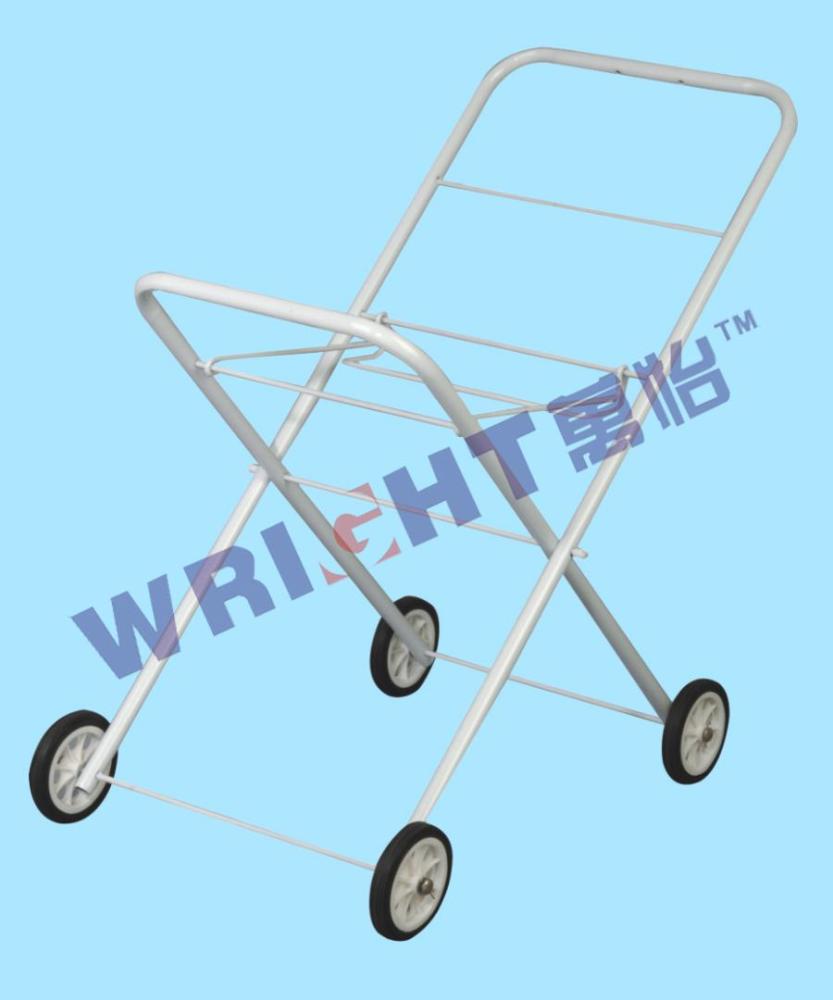
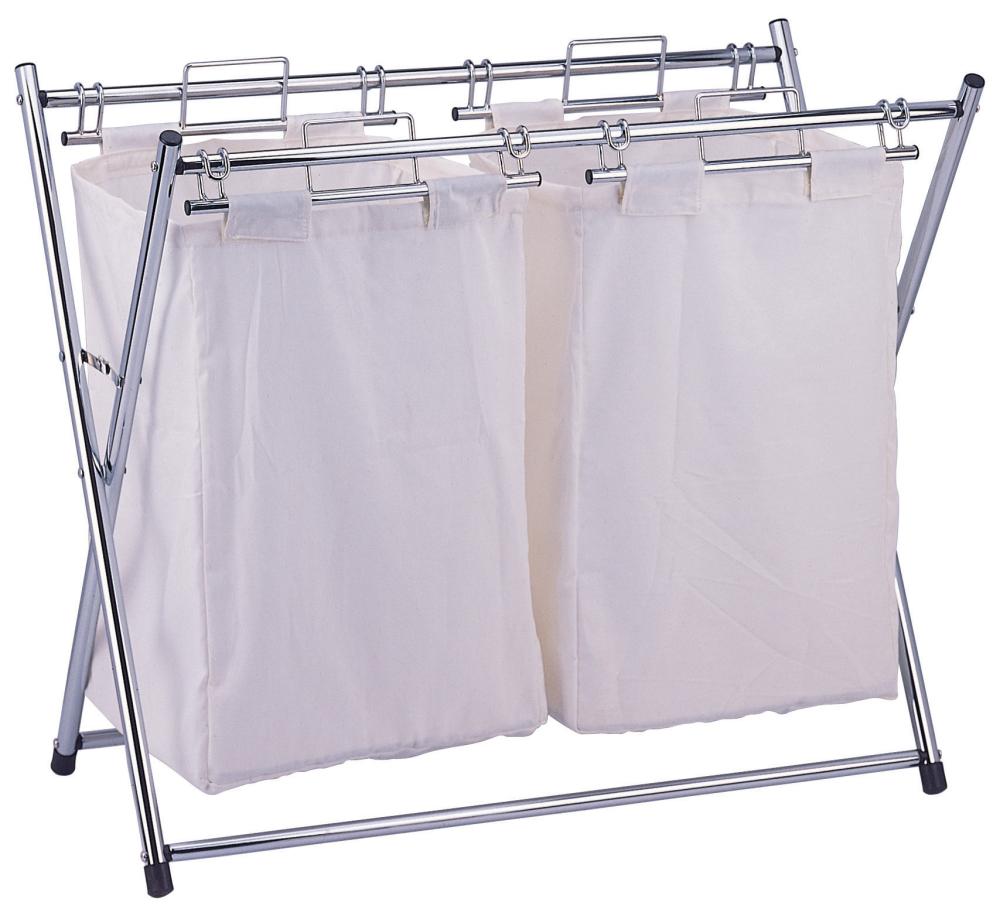
Sourcing laundry sorters in volume requires navigating two distinct manufacturing disciplines simultaneously: rigid frame fabrication (metal or wood) and heavy-duty textile production. A failure in either discipline results in a product that collapses or tears under the weight of damp laundry. For commercial buyers, the primary engineering challenge is developing a knock-down (KD) design that packs flat to maximize shipping container density, without sacrificing structural integrity once assembled by the end-user.
Core Specifications for Laundry Sorter Frames
The frame dictates the product's lifespan and weight capacity. When negotiating with factories, explicitly define the material grade and dimensions. Relying on a supplier's "standard" specification often results in thinner, cost-reduced tubing that warps under load.
For steel frames, tube diameter and wall thickness are your primary cost and quality drivers. A standard tubular steel frame should utilize a minimum of 16mm to 19mm diameter tubing. More importantly, the wall thickness must be specified; anything under 0.6mm will bend easily, while 0.8mm to 1.0mm represents a premium, durable build.
| Frame Material | Typical Specifications | Durability | Cost Impact |
|---|---|---|---|
| Powder-Coated Steel | 16-19mm dia / 0.8mm wall | High | Baseline |
| Chromed Steel | 22mm dia / 1.0mm wall | Very High | Premium |
| Bamboo / Wood | 15-20mm thickness | Medium | Mid-to-High |
| Aluminum | 19mm dia / 1.2mm wall | Medium (Prone to denting) | High |
Need help standardizing your product specifications across multiple suppliers? Merhein can manage the technical details.
Talk to our teamTextile and Component Engineering
The sorter bags bear the brunt of daily use, handling abrasive zippers, damp fabrics, and significant weight.
- Fabric Density: 600D (Denier) Oxford cloth is the industry standard for durability.
- Moisture Resistance: The interior should feature a PE (Polyethylene) or PVC coating to prevent mold growth from damp towels and prevent the fabric from absorbing odors.
- Hardware: Hooks and eyelets must be reinforced. If the bags are suspended by metal hooks, the grommets in the fabric must be rust-proof (brass or coated stainless steel) to survive high-humidity bathroom or laundry room environments.
- Mobility: Casters are a common failure point. Specify TPR (Thermoplastic Rubber) wheels over cheap hard plastics. At least two casters should feature reliable locking brakes.
Manufacturing Vulnerabilities and Quality Control
Many factories specialize in either metalworking or cut-and-sew operations, meaning one component is often outsourced. Conducting thorough factory audits is critical to verify the supplier's primary competency and their oversight of sub-contractors.
During production, strict quality control protocols must be enforced to catch defects before the goods are containerized.
Critical QC Checkpoints for Laundry Sorters
- Weld integrity on frame joints (no burrs or sharp edges that could snag fabric).
- Powder coating thickness and adhesion (cross-hatch testing to ensure no flaking).
- Bar-tack stitching on all bag handles and suspension loops.
- Assembly tolerance check (verifying KD parts align easily without forcing).
- Caster roll and brake test under maximum stated weight capacity.
Pricing, MOQ, and Lead Time Realities
Pricing is highly sensitive to raw material costs (steel and textiles) and the complexity of the KD design. Adding features like ironing board tops, heavy-duty sorting grids, or premium bamboo accents will push the unit cost up but allows for better retail margins.
Looking to optimize your landed costs? We help buyers negotiate better terms and consolidate shipments.
Get a free consultationFrequently Asked Questions
Successfully sourcing laundry sorters requires a rigorous approach to material specifications and structural testing. By standardizing your requirements for tube gauge, fabric density, and KD tolerances, you protect your brand from costly returns and negative reviews. Partnering with experienced sourcing professionals ensures your specifications are respected on the factory floor.
Get Sourcing Help for Laundry Sorters
Tell us your requirements and our experts will connect you with verified manufacturers.