Laser Equipment Parts
Source industrial-grade Laser Equipment Parts from vetted manufacturers and wholesale suppliers. Tailored for equipment manufacturers, importers, and distributors, our network provides reliable OEM and aftermarket components for high-volume production, assembly, and maintenance operations.
Sourcing laser equipment parts—whether you are procuring replacement CO2 tubes, precision optics, or high-voltage power supplies—requires strict adherence to technical specifications. A minor deviation in lens coating thickness or a slight instability in a power supply can degrade the performance of the entire laser system. Securing reliable production in volume means identifying factories with genuine cleanroom capabilities and rigorous testing protocols, rather than just basic assembly operations.
Critical Specifications for High-Volume Procurement
When purchasing laser components in bulk, standardizing your specifications is the first line of defense against inconsistent batches.
For optical components (lenses and mirrors), the primary concern is the scratch-dig ratio and the durability of the anti-reflective (AR) or highly reflective (HR) coatings. Suppliers must specify the exact wavelength compatibility (e.g., 10.6 µm for standard CO2 lasers or 1064 nm for fiber lasers) and the maximum power threshold the coating can withstand before thermal degradation occurs.
For laser tubes and power supplies, operational stability is paramount. You must define the acceptable variance in continuous output power and the triggering voltage requirements.
Thermal Management Requirements
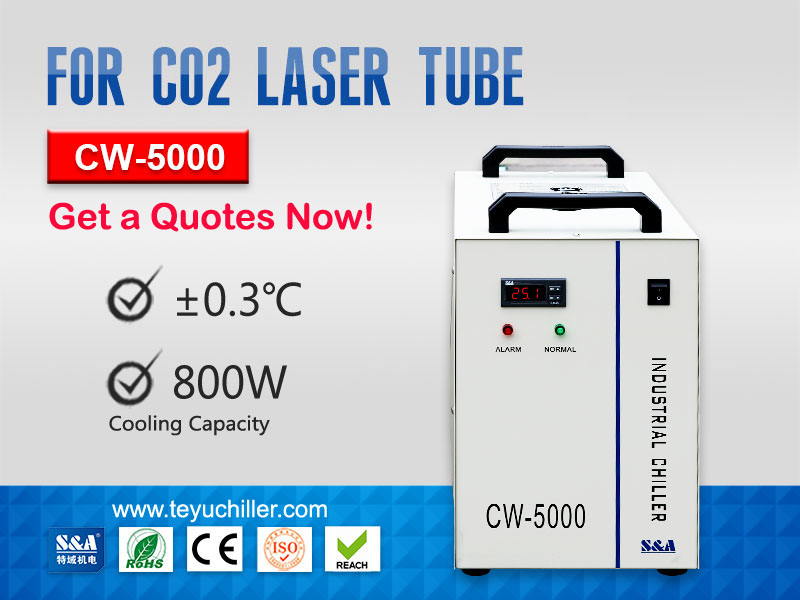
Always verify the cooling requirements for high-power components. Sourcing water chillers or integrated cooling blocks that fail to maintain temperatures within a 1 to 2 degree Celsius variance will drastically reduce the lifespan of the laser source.
Validating technical capabilities and cleanroom standards across multiple factories is resource-intensive. Let us manage the supplier vetting and procurement process.
Talk to our teamManufacturing Standards and Quality Control
The manufacturing environment heavily dictates the quality of laser parts. Optics and sensitive electronic components must be assembled in ISO-certified cleanrooms to prevent particulate contamination, which can cause catastrophic failure when exposed to high-intensity laser beams.
Relying solely on a supplier's self-reported spec sheet is a common pitfall. Implementing independent Quality Control & Inspection is essential to catch defects before they leave the factory floor. Furthermore, conducting thorough Factory Audits ensures the facility actually possesses the testing equipment they claim, such as beam profilers, spectrometers, and high-voltage load testers.
Essential Inspection Points for Laser Parts
- Optical surface integrity (scratch-dig ratios and coating uniformity)
- Continuous output stability and peak power testing for tubes/sources
- High-voltage insulation and load testing for power supplies
- Helium leak detection for sealed gas tubes
- Dimensional accuracy of mechanical mounts and rails
If you are developing proprietary equipment or require custom specifications, utilizing dedicated OEM/ODM Services allows you to tailor focal lengths, mounting dimensions, and power outputs directly with the manufacturer, ensuring seamless integration into your product lines.
Pricing, MOQs, and Lead Times
The supply chain for laser equipment parts is concentrated in key industrial hubs in Asia, offering highly competitive pricing for bulk buyers. However, costs fluctuate based on the raw materials used (such as ZnSe for CO2 optics or high-grade quartz) and the complexity of the manufacturing process.
When negotiating pricing, factor in the cost of secure packaging. Laser tubes and precision optics are highly fragile; inadequate shock-absorbing packaging will lead to high transit damage rates, negating any unit cost savings.
Need to secure reliable pricing and stable lead times for your laser component supply chain? Connect with our sourcing experts today.
Get a free consultationFrequently Asked Questions
Building a resilient supply chain for laser equipment parts means moving beyond transactional purchases and establishing strong partnerships with capable, technically proficient manufacturers. By enforcing strict quality standards and verifying factory capabilities, you can ensure consistent performance across all your equipment lines.
Get Sourcing Help for Laser Equipment Parts
Tell us your requirements and our experts will connect you with verified manufacturers.