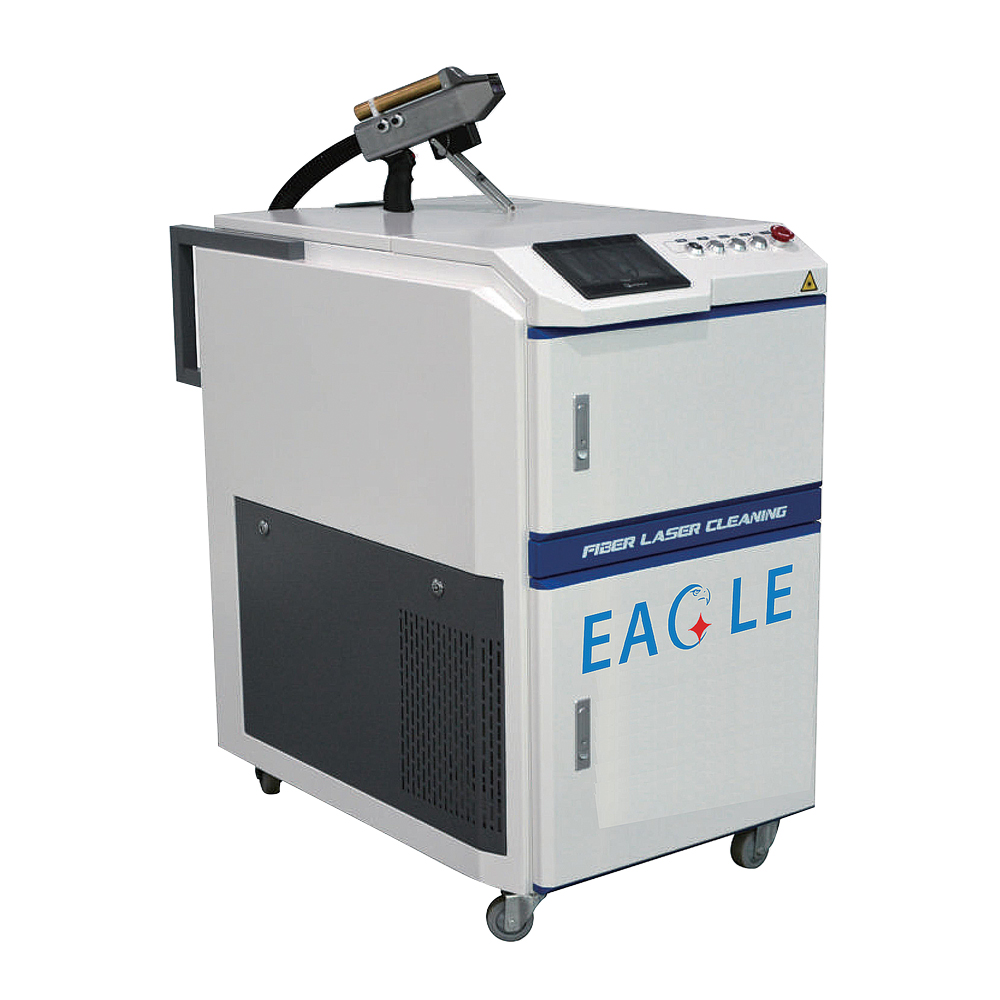
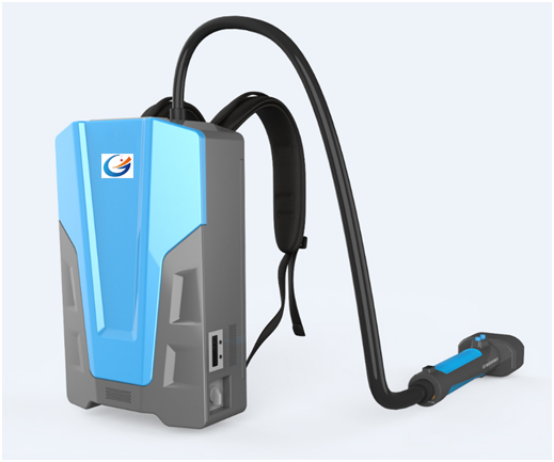
Laser Cleaning Machines
Source industrial-grade Laser Cleaning Machines from vetted suppliers and manufacturers in China. Built for importers, equipment distributors, and brands requiring OEM/ODM production, our network delivers reliable continuous and pulsed laser systems. Secure competitive wholesale pricing on bulk orders with full compliance.
Sourcing high-power laser cleaning equipment requires navigating a supply chain where component substitution is rampant. The difference between a machine that runs reliably on a 24/7 industrial line and one that suffers premature diode failure lies entirely in the laser source, the optical path assembly, and thermal management. For professional buyers, securing the right equipment means looking past the outer chassis and verifying the core architecture.
Core Specifications & System Architecture
The fundamental choice in laser cleaning is between Continuous Wave (CW) and Pulsed laser systems. This dictates the machine's cooling requirements, power supply, and ultimate application.
| Specification | Continuous Wave (CW) | Pulsed Laser |
|---|---|---|
| Typical Power Range | 1000W to 3000W+ | 50W to 1000W |
| Substrate Impact | High heat Affected Zone (HAZ) | Minimal to zero thermal damage |
| Primary Applications | Heavy rust, thick paint, structural steel | Injection molds, aerospace parts, restoration |
| Cooling Requirement | Heavy-duty water chiller mandatory | Air cooled (low power) or precision water cooled |
The Laser Source: The Engine of the Machine
The fiber laser source accounts for the majority of the machine's cost and lifespan. Top-tier global brands like IPG Photonics command a premium, while domestic Chinese manufacturers like Raycus, MAX, and JPT offer excellent performance at more competitive price points.
JPT is particularly dominant in MOPA (Master Oscillator Power Amplifier) pulsed lasers, offering adjustable pulse widths that are critical for precision cleaning without damaging the base material. When sourcing, you must specify the exact brand and series of the laser source, as generic "fiber laser" specifications often result in the factory installing lower-tier or even refurbished units.
Avoid component substitution and secure genuine, verifiable laser sources for your equipment orders.
Talk to our teamManufacturing Realities and Quality Control
Assembling a laser cleaning machine is an exercise in optical precision and thermal engineering. The factory's assembly environment is a direct indicator of machine longevity.
If the optical head (the laser gun) is assembled in a standard, dusty warehouse environment, microscopic particles will settle on the protective lenses or collimating mirrors. When a 2000W laser fires through a contaminated lens, the lens absorbs the energy, heats up, and shatters, often destroying the entire galvanometer scanner assembly.
Critical Factory Verification Points
- Dust-Free Assembly: Verify the factory utilizes Class 10,000 or better cleanrooms for optical head assembly.
- Laser Source Authenticity: Cross-reference serial numbers directly with Raycus/MAX/IPG to prevent the use of refurbished modules.
- Chiller Matching: Ensure the water chiller's cooling capacity exceeds the laser source's thermal output by at least 20 percent.
- Cable Management: Inspect the fiber optic delivery cable armor for bend-radius protection and heavy-duty industrial shielding.
To mitigate these risks before production begins, rigorous Factory Audits are essential. Assessing a supplier's cleanroom facilities and component supply chain prevents catastrophic failures in the field.
OEM Customization and Integration
For distributors and brands, off-the-shelf chassis designs may not meet market expectations. Customizing laser cleaning machines goes beyond slapping a logo on the sheet metal.
Serious OEM/ODM Services involve customizing the HMI (Human-Machine Interface) software to your local language, pre-programming specific cleaning parameters (e.g., aluminum weld prep vs. carbon steel rust removal), and modifying the chassis for integration into automated robotic cells. Ensure your supplier has a capable in-house software engineering team, not just sheet metal fabricators.
Pricing, MOQs, and Lead Times
Laser cleaning machine pricing is highly non-linear. A 100W pulsed laser can easily cost more than a 1500W CW laser due to the complexity of the MOPA architecture and the precision of the optics required.
When negotiating pricing, factor in the cost of regulatory compliance. Lasers are heavily regulated. Importing into the US requires FDA CDRH accession numbers, while the EU requires strict CE compliance (specifically EN 60825-1 for laser safety). Navigating Compliance & Testing upfront prevents customs seizures and costly retrofits.
Ensure your laser equipment meets all regional compliance standards and passes rigorous pre-shipment testing.
Get a free consultationBuyer FAQ
Sourcing laser cleaning machines is an investment in industrial capability. The upfront price is only a fraction of the total cost of ownership; downtime, component failure, and poor optical alignment will quickly erase initial savings. By focusing on component authenticity, thermal management, and strict optical assembly standards, you can secure equipment that performs reliably for years.
Get Sourcing Help for Laser Cleaning Machines
Tell us your requirements and our experts will connect you with verified manufacturers.