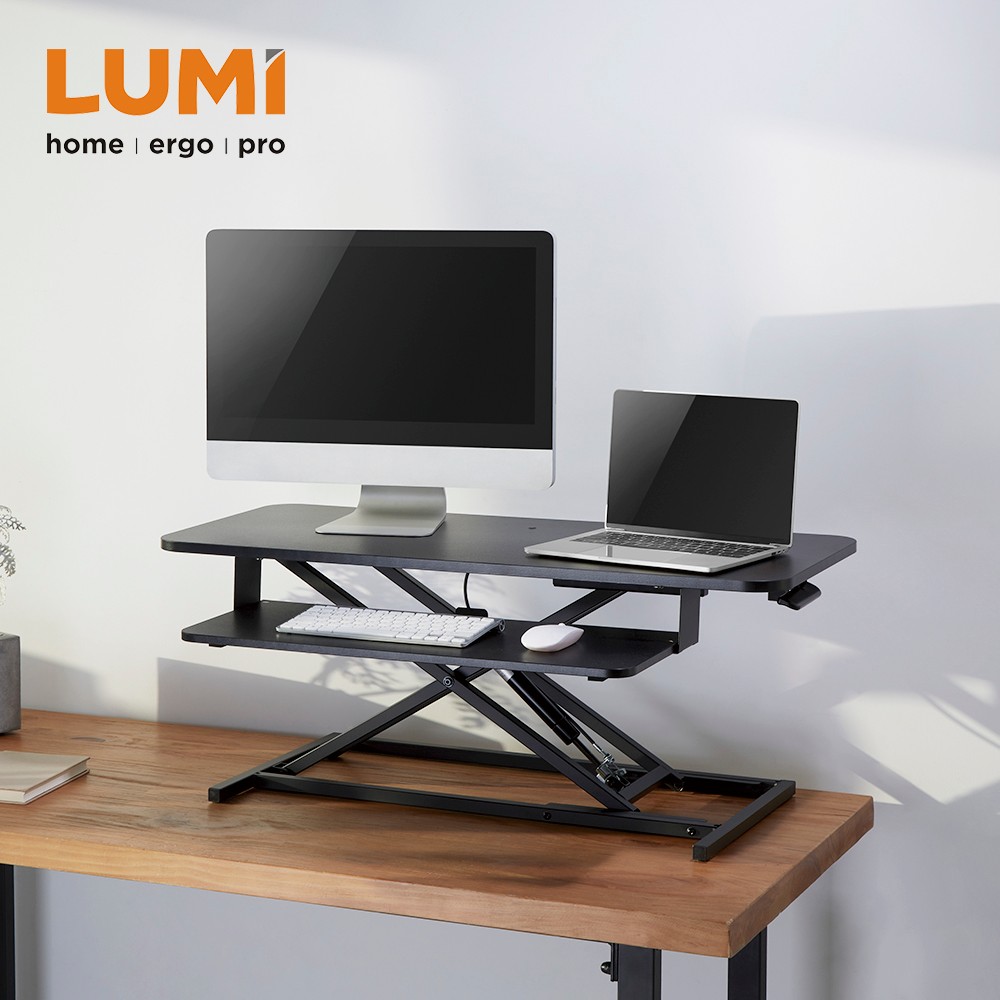
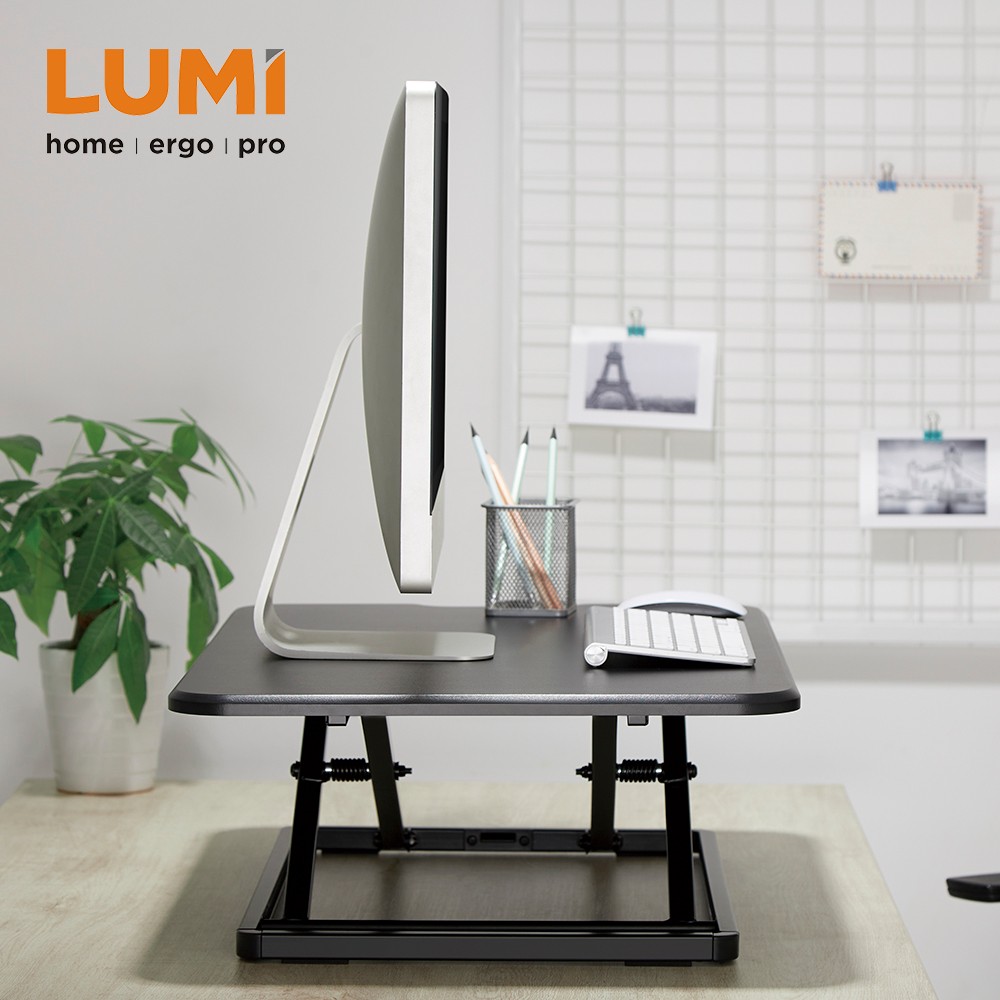
Laptop Stands
Source premium laptop stands from vetted manufacturers and suppliers across Asia. Designed for importers, office furniture distributors, and brands seeking reliable OEM and private-label production, our bulk wholesale catalog offers scalable solutions with rigorous quality control to meet your exact specifications.
Sourcing laptop stands at volume requires balancing ergonomic function with mechanical reliability. The core challenge is not simply finding a factory that can shape metal or mold plastic; it is securing a supplier capable of delivering consistent hinge torque, precise CNC finishing, and reliable weight-bearing performance across thousands of units without degradation.
Material Specifications and Structural Integrity
The structural foundation of a commercial-grade laptop stand dictates its stability and perceived value. Buyers must specify exact material grades and thicknesses to prevent wobbling and bowing under typing pressure.
- Aluminum Alloys: Most premium stands utilize 6000-series aluminum (typically 6061 or 6063). The thickness of the base plate and supporting arms should generally be between 3mm and 4mm to ensure rigidity. Thinner profiles save material costs but severely compromise stability.
- Hinge Mechanisms: For adjustable stands, the friction hinge is the most critical component. High-quality hinges utilize steel washers and POM (polyoxymethylene) components to maintain torque. You must specify the required torque (typically 3.5 to 5.5 kgf.cm) and the lifecycle requirement (e.g., maintaining over 85 percent of original torque after 5,000 adjustment cycles).
- Anti-Slip Elements: Silicone pads prevent device slippage and desk scratching. Specify the durometer (hardness) of the silicone and require high-grade adhesives (like 3M) to ensure the pads do not peel off under high ambient temperatures.
| Material Type | Typical Application | Durability | Cost Profile |
|---|---|---|---|
| 6000-Series Aluminum | Premium adjustable & fixed stands | Excellent (high rigidity) | High |
| Carbon Steel | Heavy-duty desktop risers | Outstanding (heavy) | Medium |
| ABS Plastic | Portable, foldable travel stands | Moderate (flexes) | Low |
Struggling to verify if a factory's material claims match their production reality? Let us help you validate supplier capabilities.
Talk to our teamManufacturing Processes and Quality Control
Where a laptop stand is manufactured dictates its baseline quality, but the specific finishing processes define the final product. Stamped aluminum is cheaper but leaves rougher edges; CNC-machined edges offer a premium, chamfered finish that prevents scratching.
Anodizing is another critical phase. Poor anodizing leads to color variations between batches, uneven textures, and susceptibility to scratches. When running Quality Control & Inspection protocols, inspectors must check for color uniformity under standardized lighting and perform cross-hatch adhesion tests on painted or coated models.
Critical Pre-Shipment Inspection Points
- Torque degradation testing (minimum 50 cycles during inline inspection)
- Load-bearing tests (applying downward pressure to simulate heavy typing)
- Anodizing consistency and scratch-resistance checks
- Silicone pad adhesion testing (peel-strength verification)
- Edge smoothness (tactile check for burrs or sharp CNC artifacts)
OEM/ODM Customization Capabilities
For brands looking to differentiate, off-the-shelf designs often fall short. Engaging in OEM/ODM Services allows you to modify existing molds or create entirely new profiles.
Customization typically involves laser-engraved logos, custom Pantone-matched anodizing, or specialized cutouts for improved laptop airflow. Furthermore, retail-ready packaging is vital for this category. Working with specialists in Branding & Design ensures your packaging protects the heavy, angular metal components during transit while presenting a premium unboxing experience.
Pricing Drivers, MOQs, and Lead Times
Understanding the cost structure of laptop stands helps in negotiating with manufacturers. The primary cost drivers are the raw weight of the aluminum, the complexity of the hinge mechanism, and the time required for CNC machining and surface finishing.
When evaluating deeply discounted quotes, exercise caution. Factories often achieve lower prices by hollowing out the base, using thinner aluminum, or utilizing inferior hinge components that will fail after a few months of use. Conducting thorough Factory Audits before placing a volume order is the most effective way to ensure the supplier has the precision tooling required for consistent output.
Ready to optimize your procurement strategy and negotiate better terms with reliable manufacturers?
Get a free consultationFrequently Asked Questions
Successfully sourcing commercial-grade laptop stands requires looking past the aesthetic finish to validate the underlying mechanics—specifically material rigidity and hinge lifecycle. By setting strict tolerances and enforcing rigorous testing at the factory level, you protect your brand from the high return rates associated with mechanical failure.
Get Sourcing Help for Laptop Stands
Tell us your requirements and our experts will connect you with verified manufacturers.