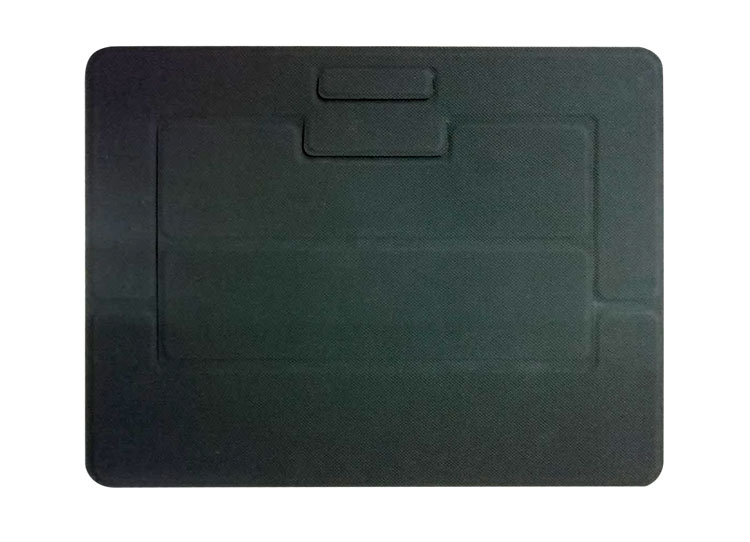
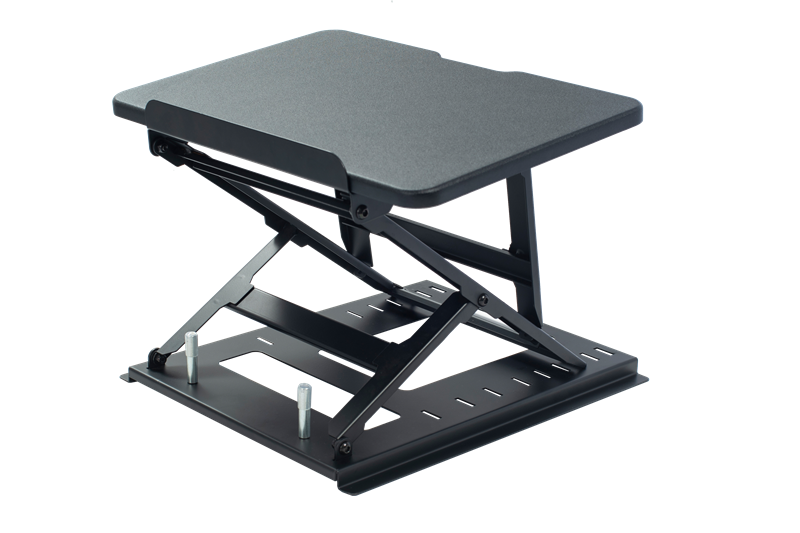
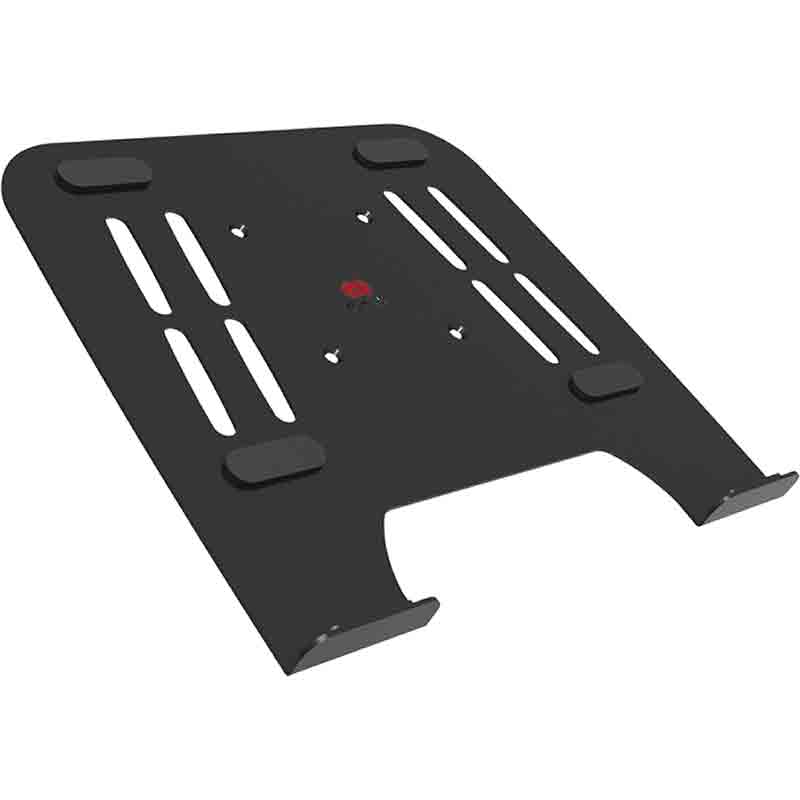
Laptop Stands
Source wholesale laptop stands directly from vetted manufacturers and suppliers. Designed for importers, distributors, and brands seeking reliable OEM/ODM production, our network delivers high-volume orders with consistent quality, competitive pricing, and rigorous factory oversight.
Sourcing laptop stands in volume requires balancing structural rigidity with aesthetic finish. Whether you are procuring fixed-angle risers or multi-axis adjustable models, the primary manufacturing challenges lie in hinge torque retention, CNC machining precision, and the consistency of the anodized surface treatment. Relying on generic factory catalogs often leads to inconsistent batches; successful procurement demands strict specification of materials and mechanical tolerances.
Material Selection and Machining Specifications
The structural integrity of a laptop stand dictates its market positioning. While entry-level markets accept injection-molded ABS or polycarbonate, premium and enterprise environments demand aluminum alloys.
For aluminum stands, manufacturers typically use 6063 or 6061 alloys. 6063 offers superior extrudability and a smoother surface finish for anodizing, making it the standard for high-end consumer electronics accessories.
| Specification | Premium Aluminum (6063/6061) | Entry-Level (ABS/PC) |
|---|---|---|
| Manufacturing Process | Extrusion, CNC machining, Stamping | Injection Molding |
| Surface Treatment | Sandblasting & Anodizing | Painted or raw matte finish |
| Thermal Dissipation | Excellent (acts as a heatsink) | Poor |
| Tooling Cost | Moderate to High | High (complex molds) |
When specifying aluminum stands, define the thickness of the plate (typically 3mm to 4mm for the main support) and the grit of the sandblasting (e.g., 120 or 150 grit) to ensure the texture matches other premium peripherals on the user's desk.
Need to match a specific finish or hit a target weight? Let our sourcing engineers evaluate your specifications and match you with capable extrusion and CNC facilities.
Discuss your product specsHinge Engineering and Torque Retention
For adjustable stands, the friction hinge is the single most critical component. A stand must support the weight of heavy workstation laptops (up to 5kg) without slowly collapsing over time, yet remain smooth enough for a user to adjust by hand.
Factories use either carbon steel or zinc alloy for internal hinge mechanisms, utilizing spring washers to create friction. The core metric here is torque. If the torque is too low, the stand sags; if too high, it lifts off the desk when adjusted.
When conducting Factory Audits, we evaluate a supplier's testing lab to ensure they perform automated cycle testing. A standard requirement for premium stands is surviving 5,000 to 10,000 adjustment cycles with no more than a 10 to 15 percent degradation in torque holding force.
Quality Control Vulnerabilities
Beyond the hinge, defects often occur during final assembly and surface finishing. Batch-to-batch color variation in anodizing (especially for popular colors like "Space Gray") is a notorious issue caused by minor fluctuations in the anodizing bath temperature or duration.
Implement strict Quality Control & Inspection protocols focusing on:
Pre-Shipment Inspection Focus Areas
- Hinge torque testing (using force gauges to verify holding capacity).
- Anodizing consistency (checking against approved master color swatches under standard D65 lighting).
- Silicone pad adhesion (verifying 3M or equivalent adhesive is used and properly applied without bubbling).
- Edge finishing (checking for sharp burrs or incomplete chamfering on CNC edges).
- Flatness tolerance (ensuring the base sits perfectly flat on a glass surface without rocking).
Customization and OEM/ODM Services
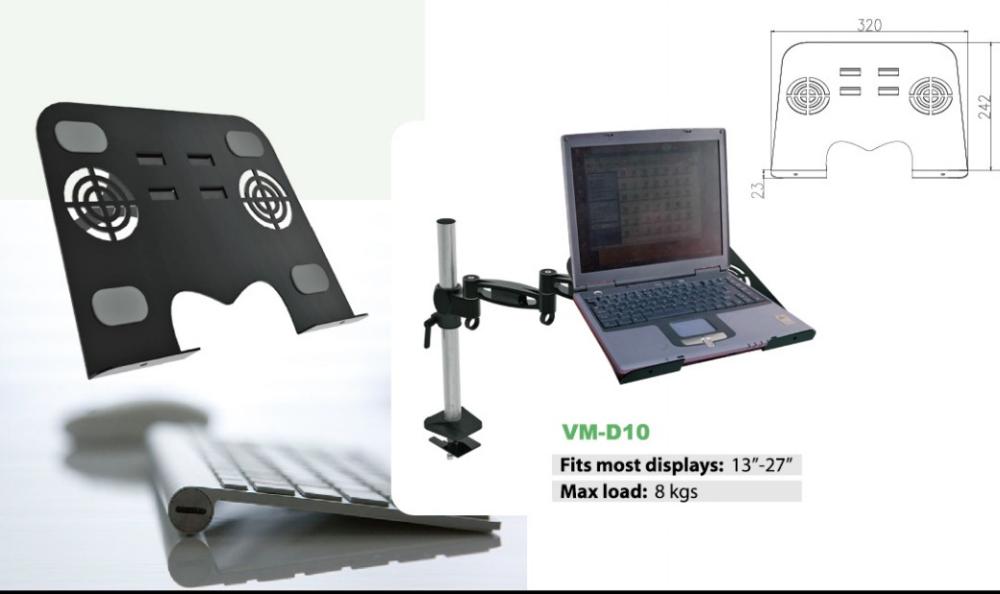
If you are developing a proprietary design, tooling and prototyping are your first hurdles. OEM/ODM Services allow you to modify existing molds (e.g., changing the ventilation cutout patterns or adding laser-engraved logos) or build entirely new architectures from scratch.
White-labeling standard factory designs is faster, but customizing the silicone anti-slip pads with your brand's Pantone color is an effective, low-cost way to differentiate your product without investing in new metal tooling.
Pricing, MOQs, and Lead Times
Unit costs for laptop stands fluctuate based on global aluminum ingot prices, the complexity of the CNC routing, and the quality of the hinge mechanism.
Packaging also significantly impacts your landed cost. Because laptop stands are bulky, optimizing the retail box to reduce volumetric weight is crucial for freight efficiency. Flat-packing designs (where the user assembles the base and arm) drastically reduce shipping costs compared to pre-assembled, fixed-angle stands.
Want to understand the true landed cost of your next order? We can help you model tooling, unit, and freight costs based on current market rates.
Get a cost analysisFrequently Asked Questions
Sourcing high-quality laptop stands requires vigilance over mechanical tolerances and finishing standards that many generic factories struggle to maintain. By setting strict engineering specifications and enforcing rigorous pre-shipment inspections, you can protect your brand from the common pitfalls of hinge failure and cosmetic defects.
Get Sourcing Help for Laptop Stands
Tell us your requirements and our experts will connect you with verified manufacturers.