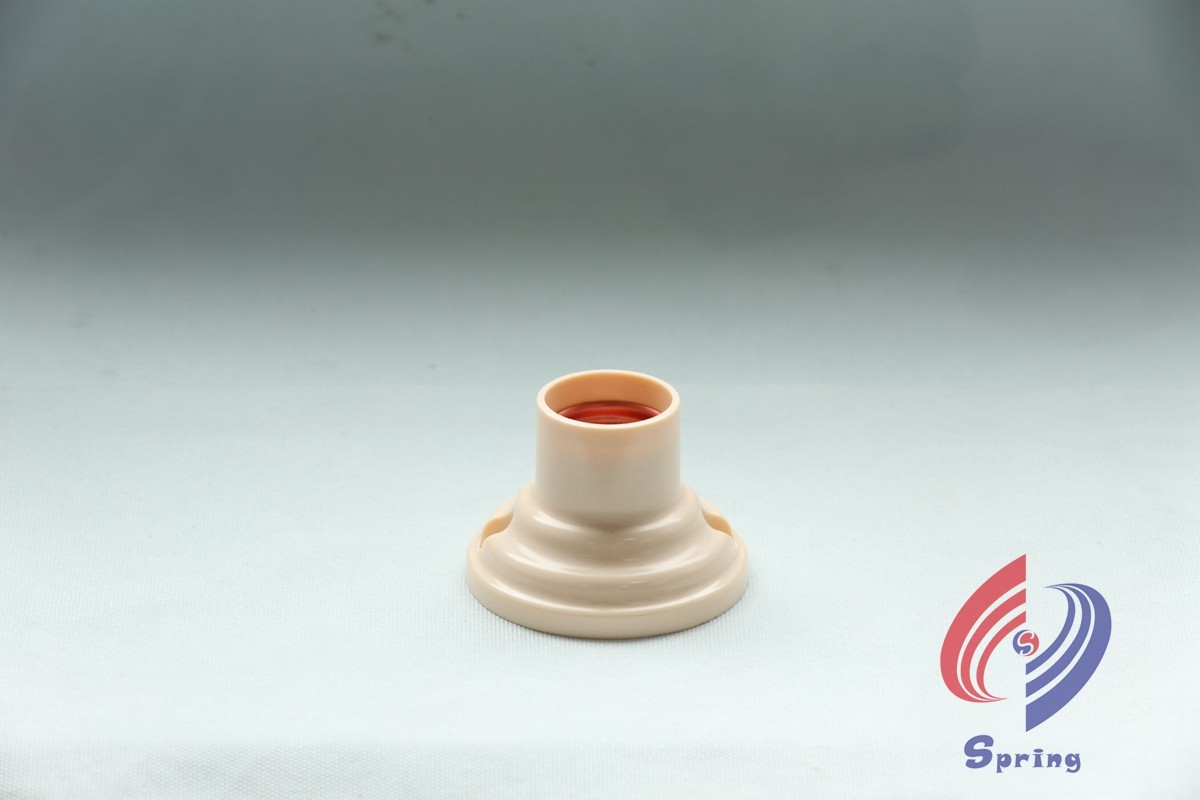
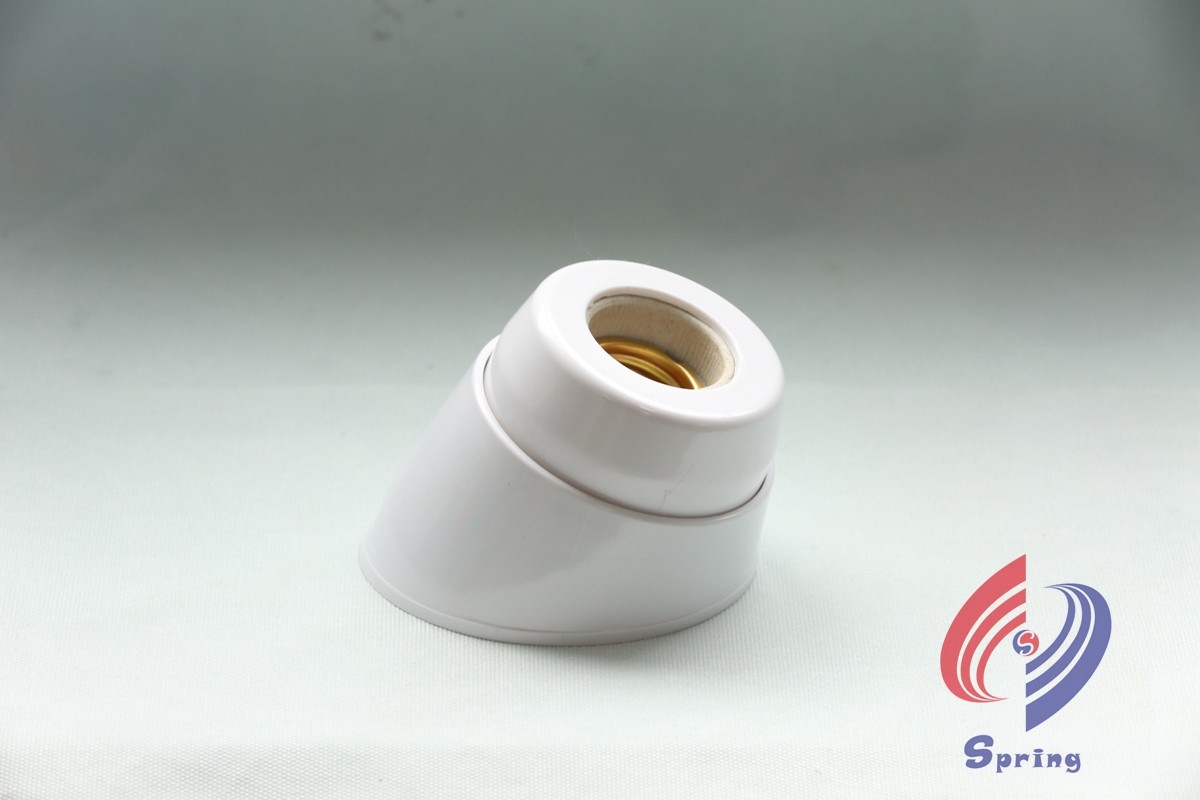
Lamp Holders & Bases
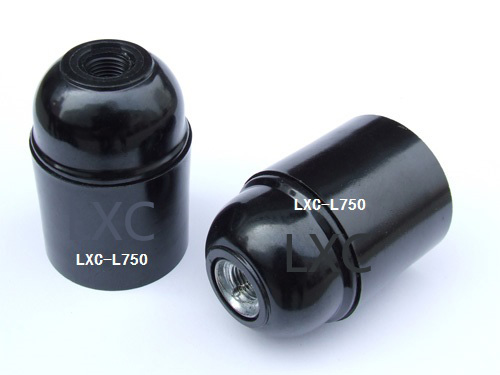
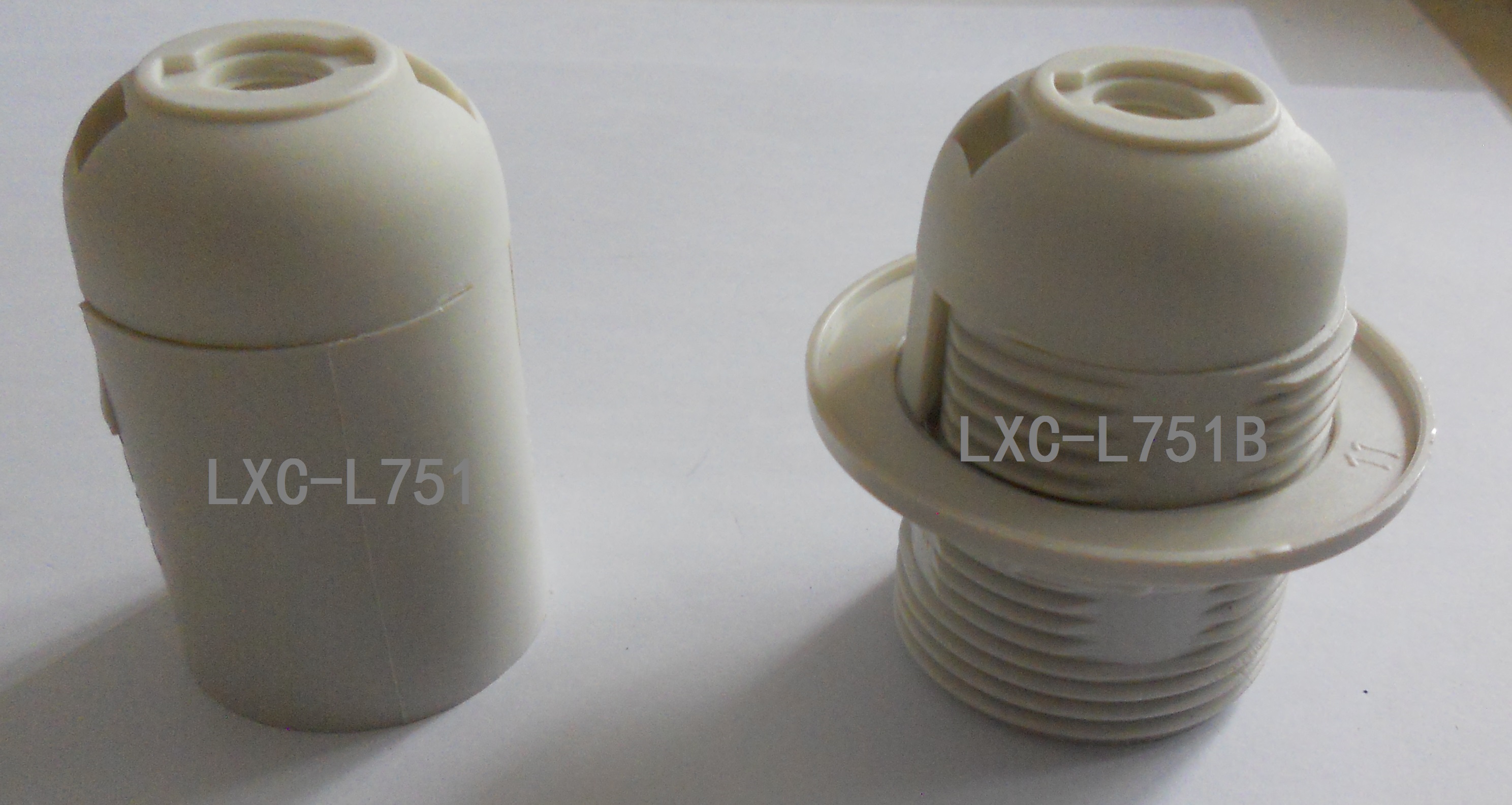
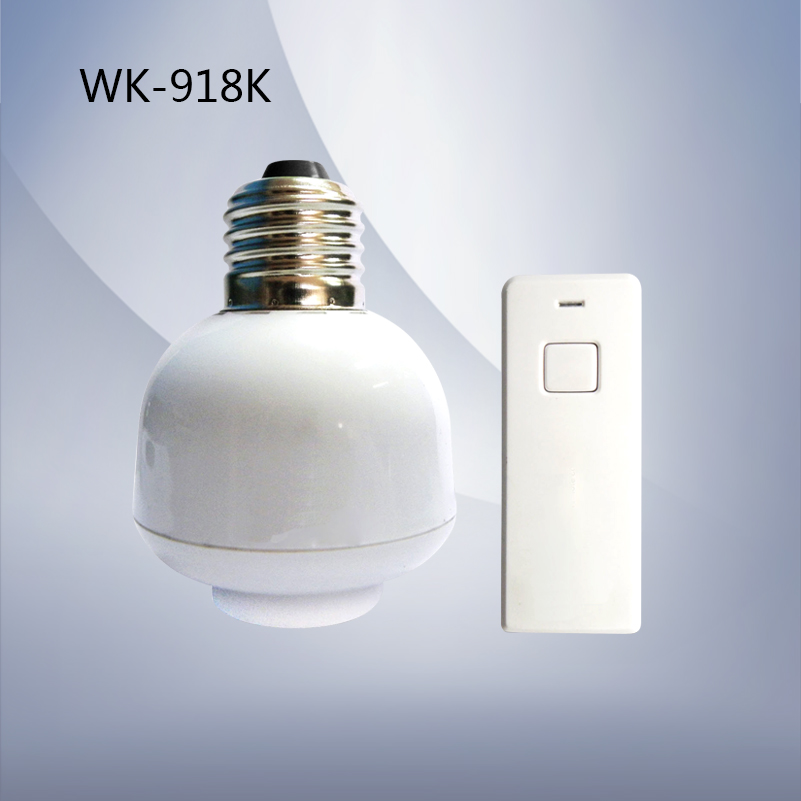
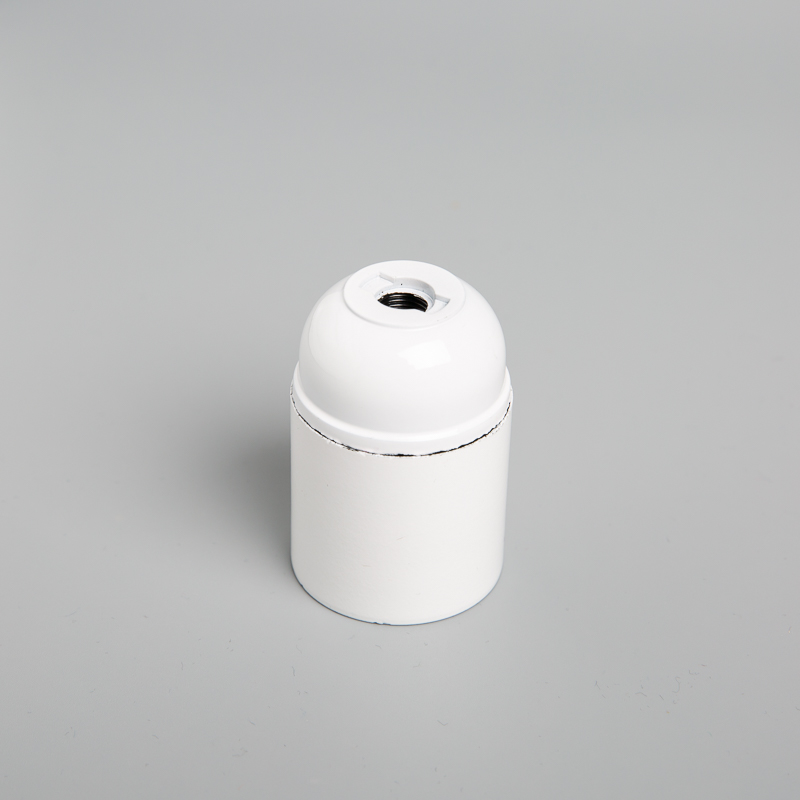
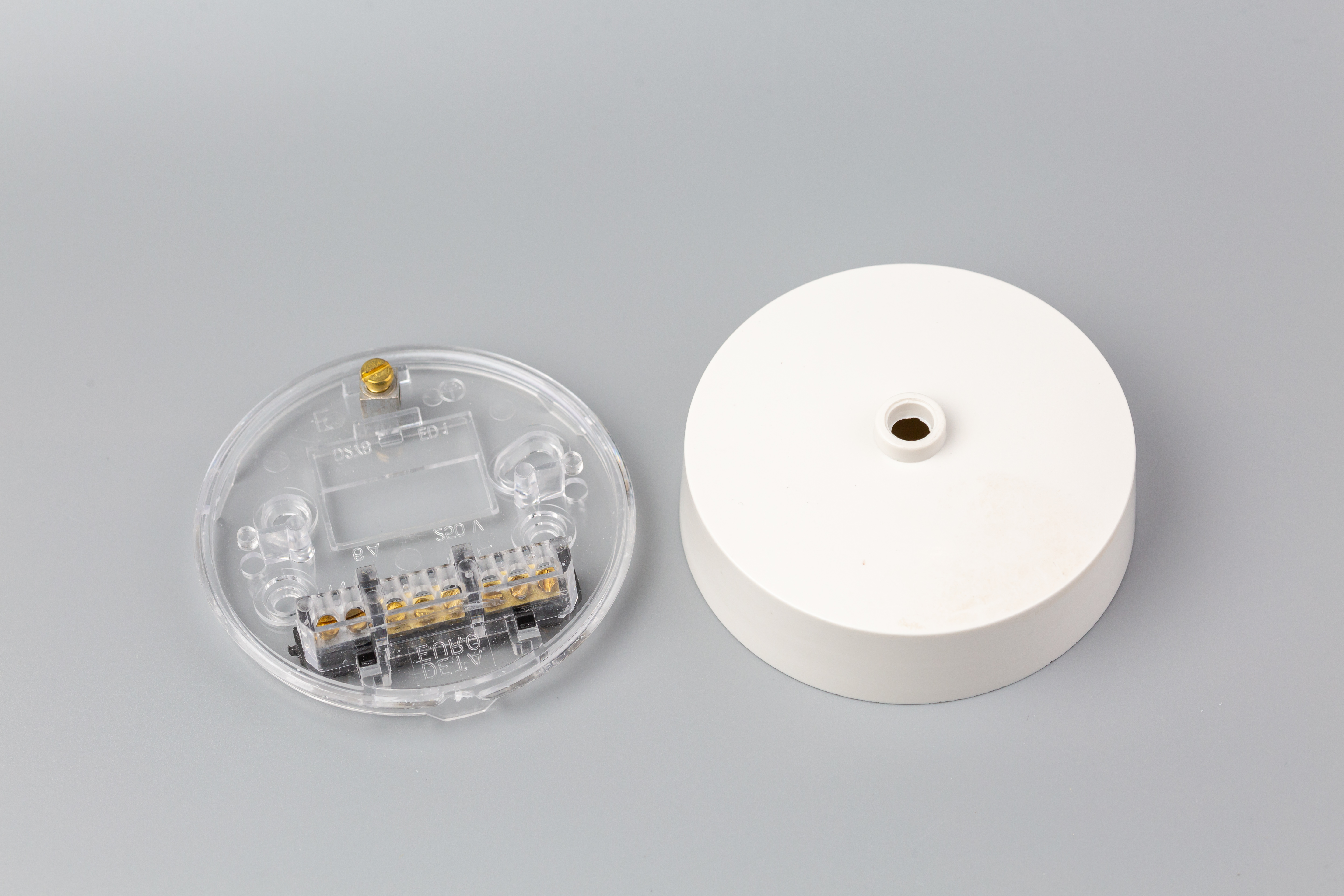
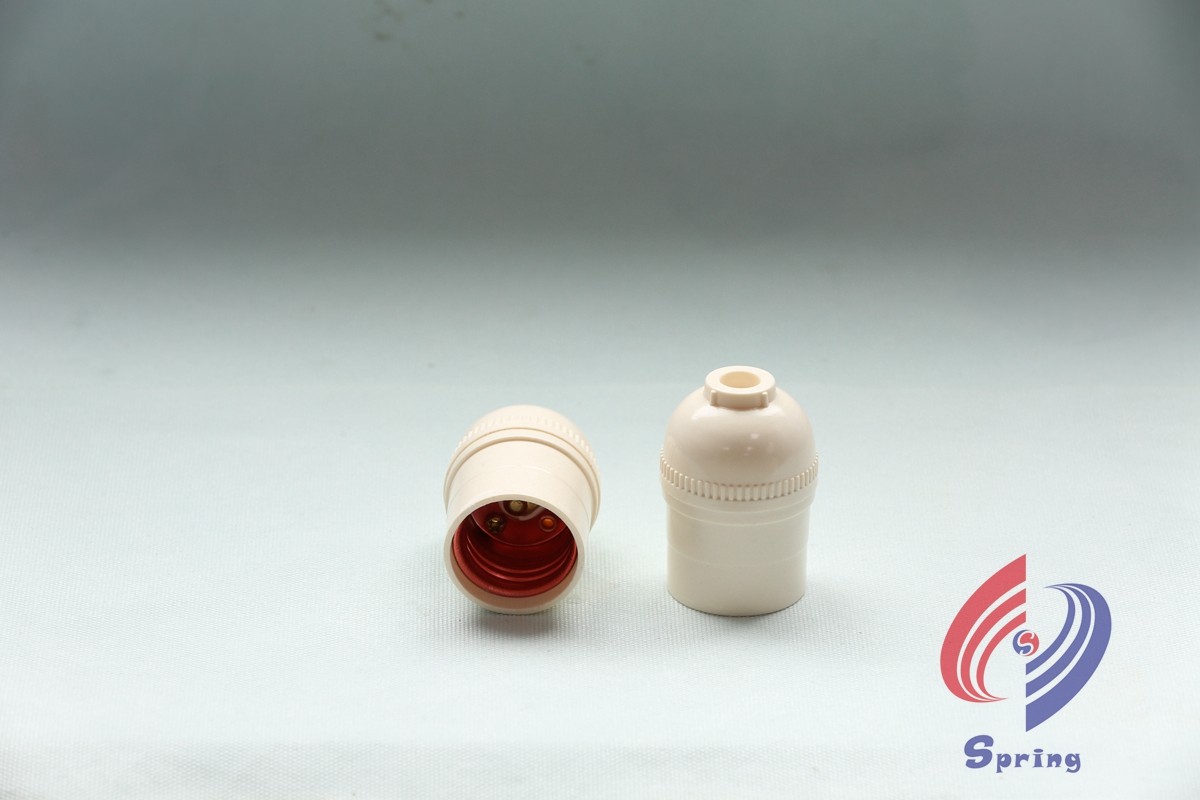
Source high-quality Lamp Holders and Bases from vetted manufacturers and suppliers in China and across Asia. Designed for importers, wholesalers, distributors, and lighting brands, our bulk and OEM/ODM production options ensure reliable, certified components for any luminaire project.
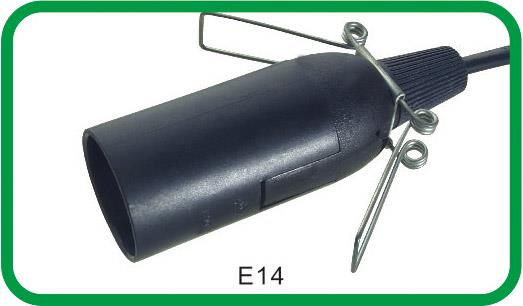
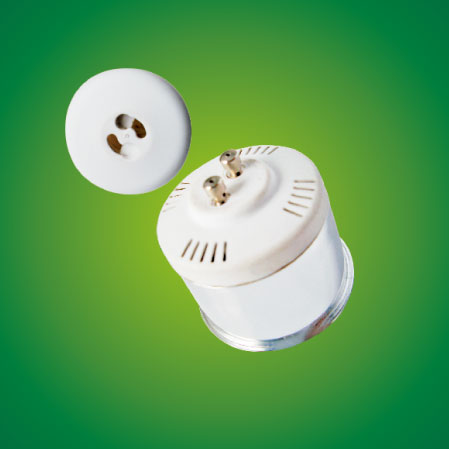
Lamp holders and bases are the critical safety and performance interface of any luminaire. When sourcing these components in volume, the primary challenge is balancing aggressive unit costs with stringent electrical safety standards and thermal endurance. A failure in a lamp holder does not just result in a dead bulb; it presents an immediate fire and shock hazard. Securing a reliable supply chain requires deep technical vetting of raw materials, contact assemblies, and factory quality control systems.
Specifying Materials and Thermal Endurance
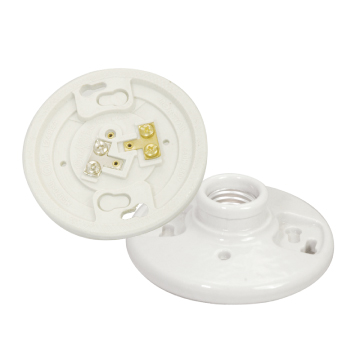
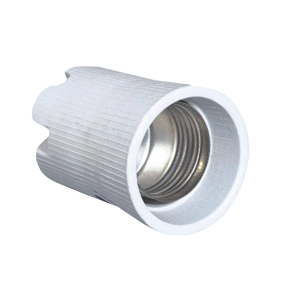
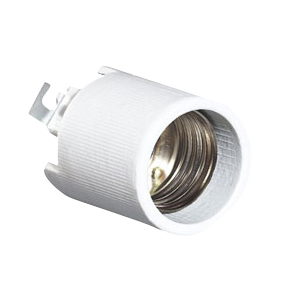
The base material of a lamp holder dictates its thermal endurance (T-rating) and suitable applications. Specifying the wrong material for a high-heat application like halogen or high-wattage incandescent lighting leads to embrittlement, cracking, and eventual electrical failure.
| Material | Typical Application | Thermal Endurance |
|---|---|---|
| Steatite Ceramic | High-wattage incandescent, halogen | Up to 300°C |
| Phenolic (Bakelite) | Standard residential lighting | Up to 150°C |
| PBT / Thermoplastic | LED fixtures, compact fluorescents | Up to 210°C |
| Spun Brass / Aluminum | Vintage fixtures, high-end decorative | Varies by internal insulator |
Beyond the housing, the internal contact material is where many low-cost suppliers cut corners. High-quality holders utilize solid copper or phosphor bronze for optimal conductivity and spring retention. Cheaper alternatives often use brass-plated steel or iron, which drastically increases contact resistance, generates excess heat, and is prone to corrosion. You can easily spot steel contacts on the factory floor using a simple magnet test.
Navigating regional electrical standards and factory vetting? Let us help you secure compliant, high-quality lamp holders from reliable manufacturers.
Talk to our teamManufacturing Tolerances and Quality Control
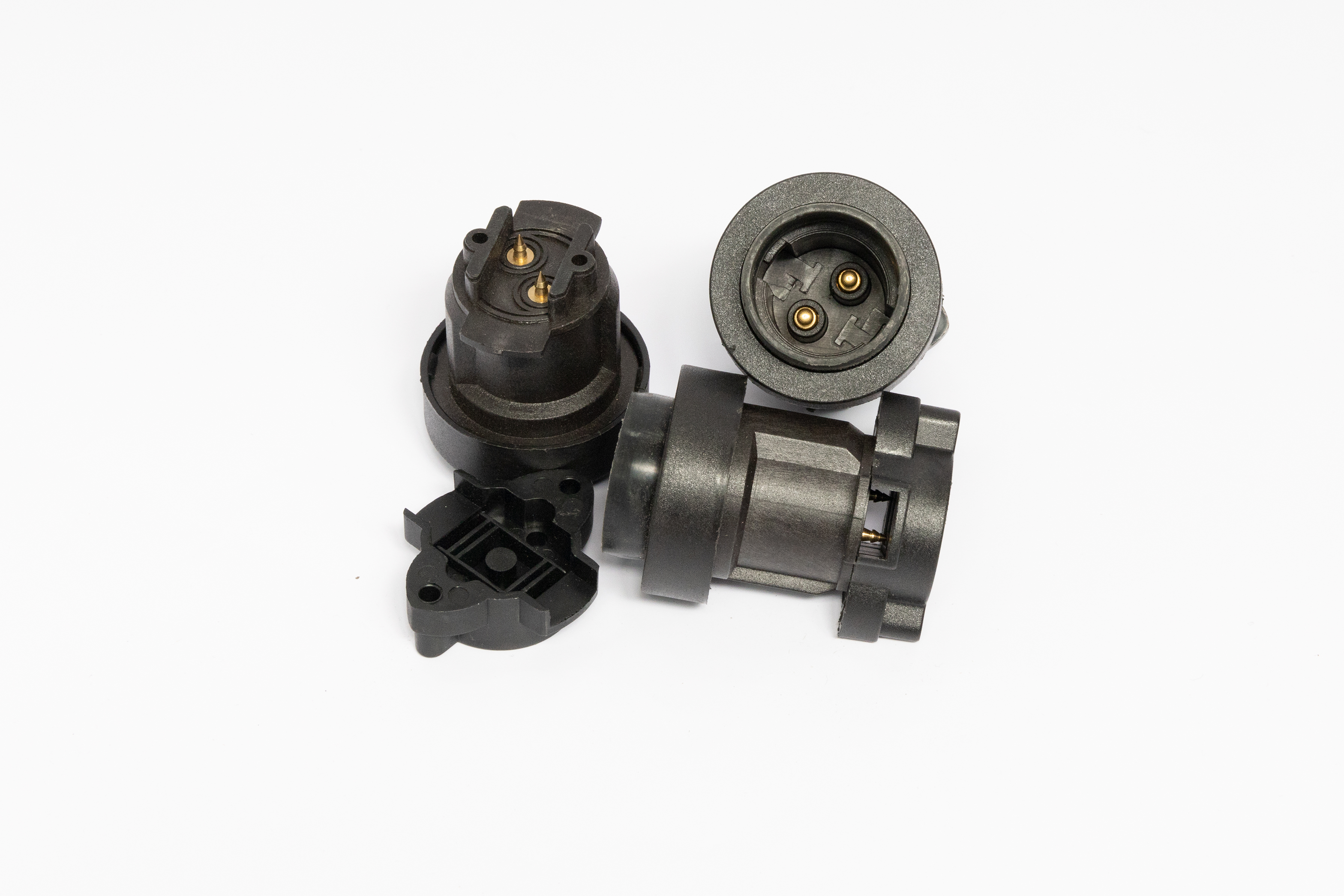
Lamp holder manufacturing involves high-speed injection molding or dry-pressing (for ceramics), metal stamping for contacts, and automated or semi-automated assembly. The precision of the molding and stamping dies directly impacts the torque resistance of the threads and the secure seating of the bulb.
To ensure your shipments meet international standards (such as UL 496 for North America or EN 60238 for Europe), rigorous factory-level testing is non-negotiable. Relying solely on a supplier's word is risky; conducting thorough Factory Audits before placing large orders is highly recommended to verify their testing capabilities.
Critical QC Checks for Lamp Holders
- Torque testing: Ensuring the metal screw shell does not detach from the housing under rotational force.
- Glow wire testing: Verifying that thermoplastic housings self-extinguish and do not propagate flame.
- Spring tension: Checking that the center contact maintains sufficient pressure against the bulb base over thousands of insertions.
- Dielectric strength: High-voltage testing to ensure the housing properly insulates the live contacts.
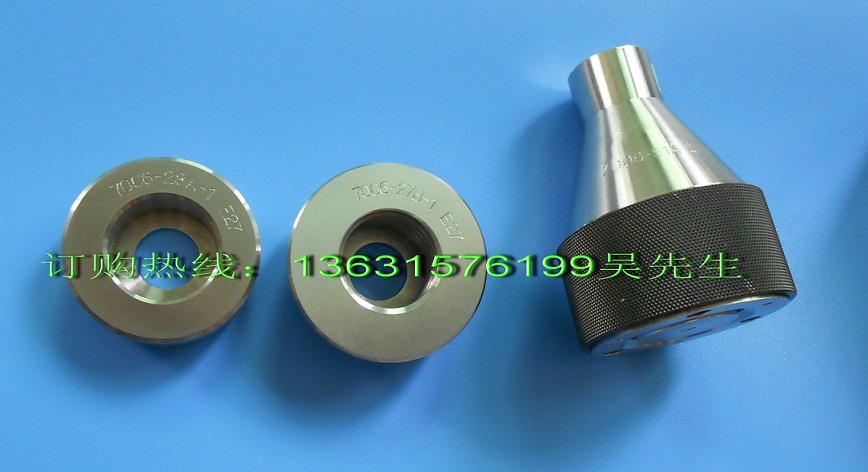
- Thread gauging: Verifying dimensions using go/no-go gauges to prevent bulb binding or loose fits.
Implementing robust Quality Control & Inspection protocols before shipment is the only way to catch batches with high contact resistance or brittle housings before they end up in your finished luminaires.
Production Realities: MOQs, Lead Times, and Pricing
Because lamp holders are mass-produced commodities, economies of scale heavily dictate pricing. Most reputable factories operate with automated assembly lines that require significant volume to justify setup times.
Pricing is highly sensitive to copper commodity prices (for the contacts) and the specific certifications required. A UL-listed or ENEC-approved holder will inherently cost more than an uncertified domestic-market equivalent due to the strict material requirements and ongoing compliance fees the factory must pay.
Need to negotiate better terms or consolidate shipments from multiple component suppliers? We manage the entire procurement and logistics cycle.
Get a free consultationFrequently Asked Questions
Ultimately, sourcing lamp holders and bases is an exercise in risk management. The unit cost of the holder is negligible compared to the liability of a product recall caused by a melted housing or an electrical short. Partnering with a sourcing team that understands electrical compliance, material science, and factory capabilities ensures your lighting products remain safe, certified, and profitable.
Get Sourcing Help for Lamp Holders & Bases
Tell us your requirements and our experts will connect you with verified manufacturers.