Lamp Cups
Source high-quality Lamp Cups directly from vetted manufacturers and suppliers in Asia. Designed for importers, wholesalers, and lighting brands seeking bulk pricing and reliable OEM/ODM production. Secure competitive rates on precision-engineered lighting components.
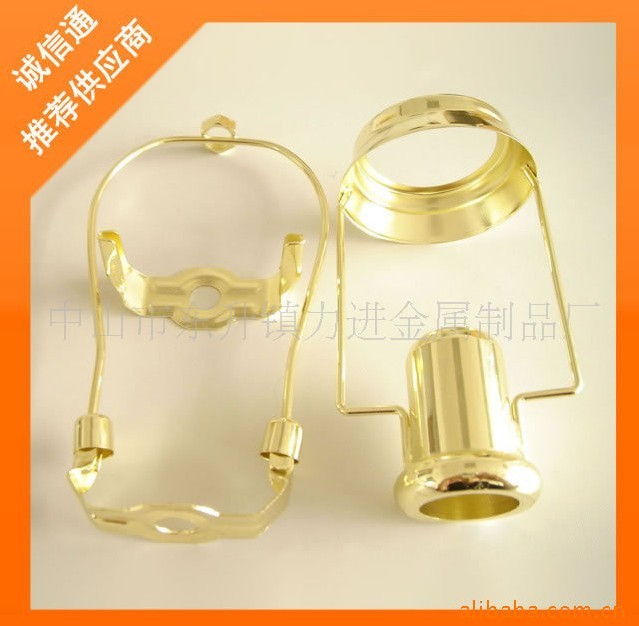
Lamp cups serve as the structural and thermal foundation for spotlights, downlights, and track lighting fixtures. When sourcing these components in volume, the primary challenge is not simply finding the lowest unit cost. The real difficulty lies in securing consistent dimensional tolerances for seamless final assembly, ensuring durable surface finishes, and guaranteeing adequate thermal dissipation to protect LED module lifespans.
Material Selection and Thermal Management
The material of a lamp cup dictates its manufacturing method, thermal conductivity, and final application. Modern LED fixtures require efficient heat sinks, making material choice the most critical specification in your procurement process.
| Material & Process | Primary Application | Thermal Performance |
|---|---|---|
| Die-Cast Aluminum | High-wattage LEDs, commercial downlights | Excellent (complex fin geometries possible) |
| Spun Aluminum | Standard MR16/GU10 fixtures, retrofits | Good (cost-effective for standard shapes) |
| Cold-Forged Aluminum | High-end directional lighting | Superior (dense material structure) |
| Thermoplastic (PC) | Low-wattage, budget residential fixtures | Poor to Moderate (requires internal metal lining) |
When evaluating suppliers, verify their raw material grades. For aluminum, ADC12 is standard for die-casting, while AL1070 is preferred for cold forging due to its higher thermal conductivity.
Need help matching component specifications to your fixture's thermal requirements?
Talk to our teamManufacturing Tolerances and Surface Finishing
Lighting components require precise engineering to ensure bulbs, lenses, and retaining clips fit perfectly during final assembly. A variation of just a fraction of a millimeter in the inner diameter can render a batch of lamp cups unusable.
Surface finishing is equally critical for aesthetic consistency. Most aluminum lamp cups undergo anodizing, powder coating, or electroplating. Poorly controlled anodizing baths lead to color variations between batches, while inadequate surface preparation causes powder coating to chip during transit or installation.
Critical Quality Control Checkpoints
To prevent assembly issues and finish degradation, rigorous quality control must be implemented at the factory level.
Pre-Shipment Inspection Focus Areas
- Dimensional accuracy of inner and outer diameters using digital calipers
- Wall thickness consistency (crucial for spun aluminum to prevent warping)
- Surface finish adhesion (verified via standard cross-hatch testing)
- Thread integrity and pitch accuracy for screw-in bases
- Color matching against approved master samples under standardized lighting
Relying solely on final inspections is risky for custom components. Conducting thorough factory audits before placing an order ensures the manufacturer actually owns the necessary CNC machinery and die-casting equipment, rather than outsourcing to unverified sub-tier workshops.
Pricing Drivers, MOQs, and Tooling
Unit costs for lamp cups are heavily influenced by raw material market prices (especially aluminum), the complexity of the mold, and the chosen surface treatment.
If you are developing proprietary fixture designs, OEM/ODM services will require custom tooling. Die-casting molds are significantly more expensive than spinning molds but offer lower per-unit costs at high volumes and allow for complex, integrated heat-sink fins.
Optimize your tooling investment and secure reliable bulk pricing for your next production run.
Get a free consultationFrequently Asked Questions
Successful procurement of lighting components requires balancing thermal performance, dimensional precision, and unit cost. By validating factory capabilities early and enforcing strict tolerance standards, you can build a resilient supply chain that supports your brand's reputation for quality.
Get Sourcing Help for Lamp Cups
Tell us your requirements and our experts will connect you with verified manufacturers.