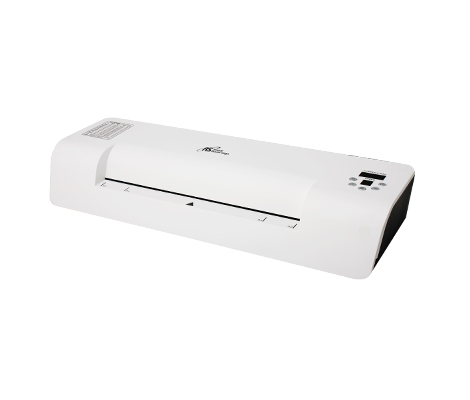
Laminators
Source commercial and office laminators directly from vetted manufacturers and wholesale suppliers in China and Asia. Designed for importers, distributors, and brands seeking reliable OEM/ODM production, our factory network delivers consistent thermal performance and high-volume manufacturing capabilities.
Sourcing laminators in bulk requires balancing thermal precision with mechanical durability. The core challenge for importers lies in securing units that maintain consistent roller temperatures during continuous operation without jamming, blistering, or burning the lamination pouches. For volume buyers, selecting the right factory means looking past the outer casing and evaluating their heating element technology, motor quality, and assembly tolerances.
Heating Technologies and Roller Specifications
The internal heating architecture dictates a laminator's performance, warm-up time, and production cost. Manufacturers typically utilize one of two primary heating systems, paired with varying grades of roller materials.
Pure silicone rollers are the industry standard for mid-to-high-end units because they resist deformation under high heat. Lower-cost factories often blend silicone with synthetic rubbers, which can degrade rapidly, leading to uneven pressure and frequent pouch jams.
| Technology | Hot Shoe (Mica Plate) | Internal Heated Roller |
|---|---|---|
| Heating Method | External aluminum plate heats the rollers | Quartz tube or wire inside the roller |
| Warm-up Time | 3 to 5 minutes | 1 to 2 minutes (rapid heat) |
| Lamination Quality | Standard; prone to minor heat loss on long runs | Premium; consistent heat distribution |
| Manufacturing Cost | Lower | Higher |
Evaluating laminator manufacturers for your next product line? Let us help you verify their technical capabilities.
Talk to our teamQuality Control on the Factory Floor
A laminator is a high-heat electrical appliance, making rigorous Quality Control & Inspection non-negotiable. Defects often stem from poor calibration of the NTC thermistors (temperature sensors) or substandard thermal fuses. If the thermal fuse fails to trip during an overheating event, the unit poses a severe fire risk.
Critical Factory QC Checkpoints
- Thermostat calibration: Ensuring heat fluctuations remain within a tight tolerance (usually under 3 degrees Celsius).
- Roller pressure alignment: Checking for uniform pressure across the entire width to prevent air bubbles.
- Motor torque testing: Verifying the synchronous motor can handle maximum pouch thickness without stalling.
- Thermal fuse verification: Testing the fail-safe cutoff mechanism under simulated overheating conditions.
- Hi-Pot (High Potential) testing: Ensuring electrical insulation integrity and ground continuity.
Compliance and Certifications
Because they draw significant current and generate high heat, laminators face strict regulatory scrutiny. Depending on your target market, you must ensure the factory can provide valid, verifiable test reports. Partnering with a sourcing team that handles Compliance & Testing ensures your shipments won't be held up at customs. Look for CE (LVD and EMC directives) and RoHS for European markets, and UL/cUL or ETL certifications for North America.
Buying Mechanics: MOQ, Pricing, and Lead Times
When engaging factories for OEM/ODM Services, understanding standard industry terms helps you negotiate effectively. Customizing the outer casing (tooling a new mold) requires significantly higher investment than private-labeling an existing factory design with your brand colors and logo.
Pricing is heavily influenced by the number of rollers. Basic home-office units feature two rollers, while professional commercial units feature four or six rollers for flawless, high-speed lamination. Upgrading to rapid-heating PTC elements or adding features like automatic jam-release sensors will also increase the unit cost.
Need to hit specific target prices without compromising safety? We negotiate directly with top-tier manufacturers.
Get a free consultationFrequently Asked Questions
Securing a reliable supply chain for office equipment requires looking beyond the quoted unit price. A factory's ability to maintain tight tolerances on heating elements and electrical safety systems is what protects your brand reputation. Conducting thorough Factory Audits prior to placing a deposit is the most effective way to ensure your supplier is a true manufacturer rather than a trading company masking poor quality control.
Get Sourcing Help for Laminators
Tell us your requirements and our experts will connect you with verified manufacturers.