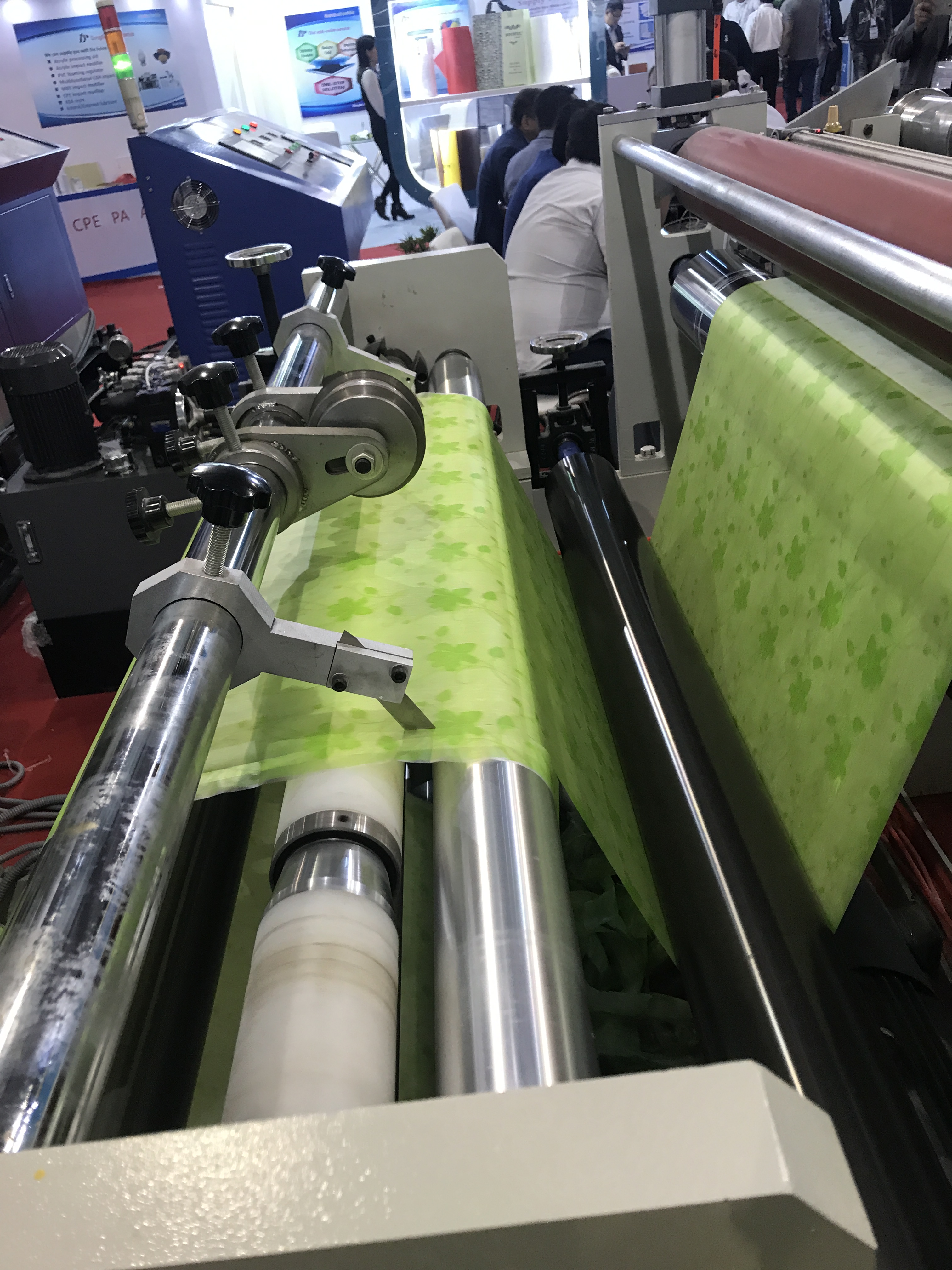
Lamination Machines
Source industrial textile lamination machines directly from vetted Chinese manufacturers and suppliers. Designed for importers, machinery distributors, and textile brands seeking reliable OEM/ODM production and wholesale procurement. Secure factory-direct pricing on equipment engineered for consistent bonding and high-volume output.
Sourcing industrial textile lamination machinery requires navigating a market heavily populated by standard assemblers rather than true engineering manufacturers. For high-volume textile production—whether for activewear, automotive interiors, or medical textiles—the margin for error is zero. The equipment must deliver flawless tension control, uniform temperature distribution, and precise adhesive application to prevent delamination, fabric distortion, or excessive waste.
Core Technologies and Specifications
Selecting the right lamination technology dictates the machine's architecture, footprint, and the supplier's required engineering pedigree. Buyers must specify machinery based on the substrate types and the required durability of the final bond.
| Lamination Type | Common Applications | Adhesive Used | Equipment Complexity |
|---|---|---|---|
| PUR Hot Melt | Activewear, military, medical | Polyurethane Reactive (Solid) | High (Requires precise melting/pumping) |
| Water-Based | Footwear, upholstery, standard apparel | Aqueous glue | Medium (Requires extensive drying ovens) |
| Flame Lamination | Automotive interiors, acoustic foams | None (Melts foam surface) | High (Requires strict exhaust/emission controls) |
When defining your technical requirements with a manufacturer, prioritize the following specifications:
- Working Width: Standard machines range from 1600mm to 3200mm. Ensure the heating rollers are engineered to maintain consistent temperatures across the entire width without bowing.
- Mechanical Speed: Typical production speeds range from 20 to 50 meters per minute. Higher speeds require exponentially better tension control mechanisms (e.g., magnetic powder clutches or advanced servo motors).
- Heating Systems: Thermal oil heating is generally preferred over electric heating for PUR and water-based systems due to its superior temperature uniformity across the engraved rollers.
Need help vetting machinery manufacturers and verifying their engineering capabilities?
Talk to our teamEvaluating Manufacturer Capability
The visual appearance of a lamination machine tells you very little about its long-term reliability. The true quality is determined by the precision of the machined components and the origin of the electronic controls. Before committing to a high-value capital purchase, rigorous Factory Audits are essential to verify the supplier's in-house machining capabilities.
Critical Factory Evaluation Points
- In-house CNC machining: Do they machine their own engraved rollers or outsource them?
- Component sourcing: Verify the use of international brands for PLCs, inverters, and servo motors (e.g., Siemens, Yaskawa, Delta) to ensure local replacement availability.
- Frame rigidity: Inspect the thickness of the steel frame; vibration at high speeds causes uneven adhesive application.
- CE/UL Compliance: Ensure safety guards, emergency stops, and electrical cabinets genuinely meet destination market standards.
Quality Control and Factory Acceptance Testing (FAT)
You should never ship industrial machinery without a comprehensive Factory Acceptance Test (FAT). This involves running your specific fabrics and adhesives on the machine at the factory before final payment.
During Quality Control & Inspection, inspectors must look for specific failure modes:
- Coating Weight Consistency: Measure the grams per square meter (GSM) of the adhesive across the left, center, and right sides of the web.
- Web Alignment: Check the performance of the EPC (Edge Position Control) system. The fabric should not wander or crease at maximum operating speed.
- Peel Strength: Conduct immediate and cured peel tests to ensure the nip rollers are applying uniform pressure.
Buying Mechanics: Pricing, MOQs, and Lead Times
Because lamination machines are capital equipment, the Minimum Order Quantity (MOQ) is universally one set. However, the exact configuration will heavily influence both the price and the production timeline.
Pricing is driven primarily by the working width, the level of automation (e.g., auto-splicing unwinders vs. manual roll changes), and the specific lamination technology. PUR hot melt machines command a premium due to the expensive melting units and precision engraved rollers required. Furthermore, because these are oversized, heavy loads, coordinating Shipping & Freight requires specialized flat-rack containers or break-bulk shipping, which must be factored into your landed cost calculations.
Managing heavy machinery logistics and FAT protocols requires boots on the ground. Let us handle the complexities.
Get a free consultationFrequently Asked Questions
When sourcing lamination machinery, the initial capital expenditure is only one part of the equation. Downtime, excessive adhesive consumption, and high defect rates from poorly engineered equipment will quickly erase any upfront savings. Focusing on supplier engineering capability, rigorous FAT protocols, and reliable component sourcing is the only way to ensure a profitable return on investment.
Get Sourcing Help for Lamination Machines
Tell us your requirements and our experts will connect you with verified manufacturers.