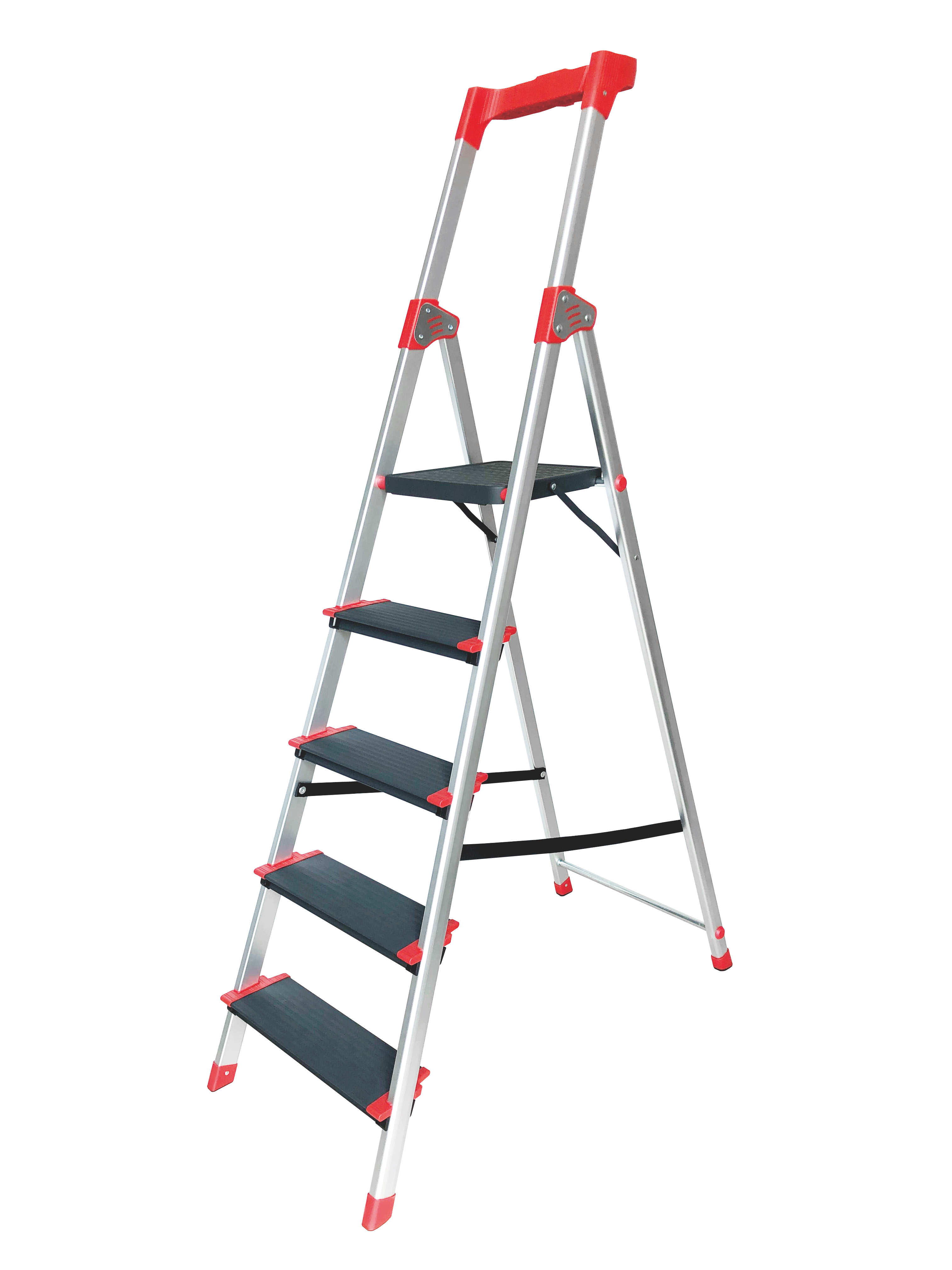
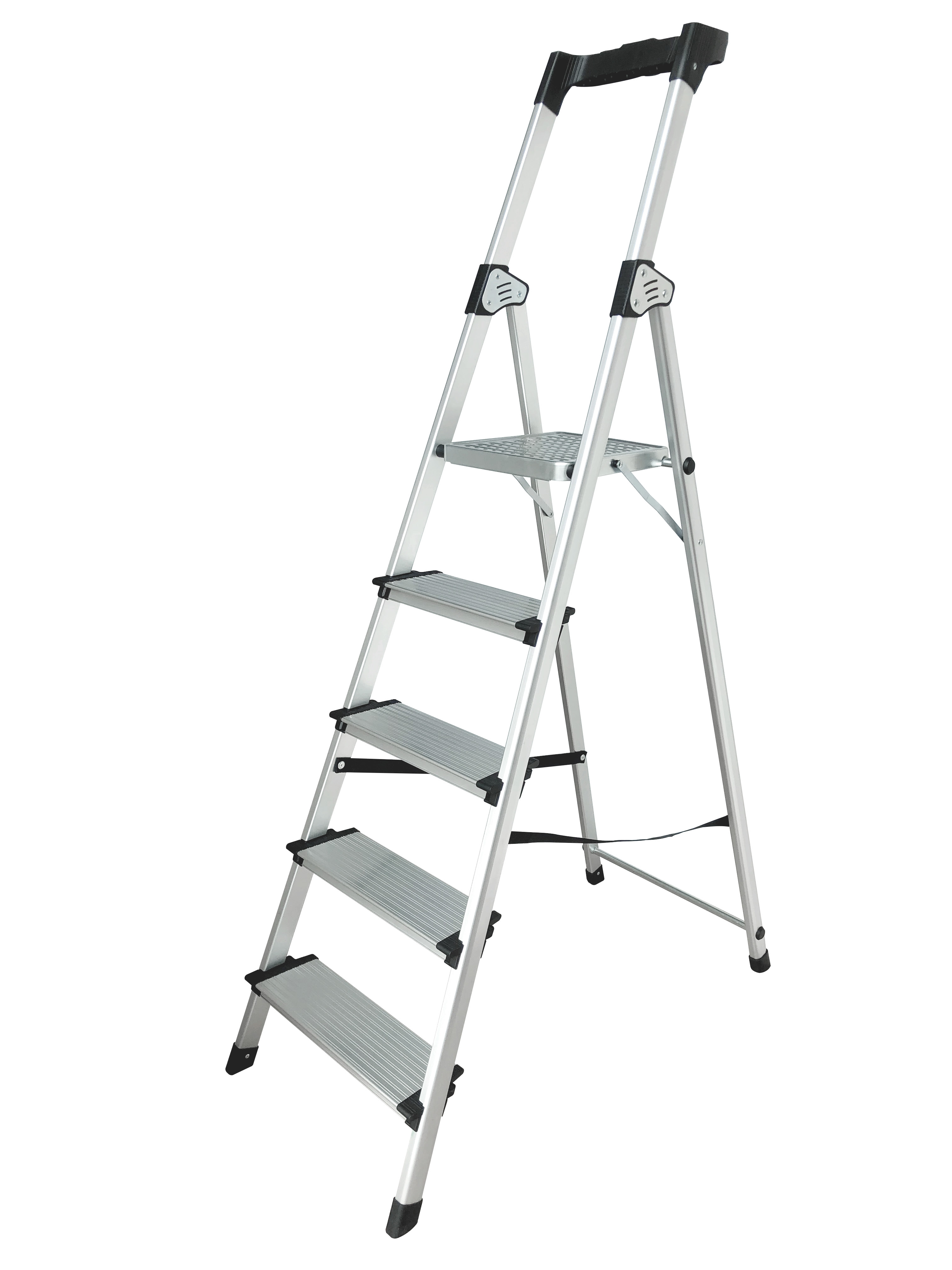
Ladders
Source high-quality ladders directly from vetted manufacturers and suppliers in Asia. Built for importers, wholesalers, and hardware brands seeking reliable OEM and private-label production. Secure bulk pricing on certified access equipment engineered for safety and durability.
Sourcing ladders at scale is fundamentally an exercise in risk management and logistical optimization. Because access equipment carries inherent liability, balancing unit cost against structural integrity and strict regional safety standards is the primary challenge for volume buyers. Success requires partnering with factories that maintain rigorous internal testing capabilities and precise control over raw material extrusion.
Material Selection and Structural Specifications
The foundational quality of any ladder dictates its load-bearing capacity and fatigue resistance. Manufacturers typically specialize in either aluminum extrusion or fiberglass pultrusion, and the material specifications you dictate will directly impact both cost and compliance.
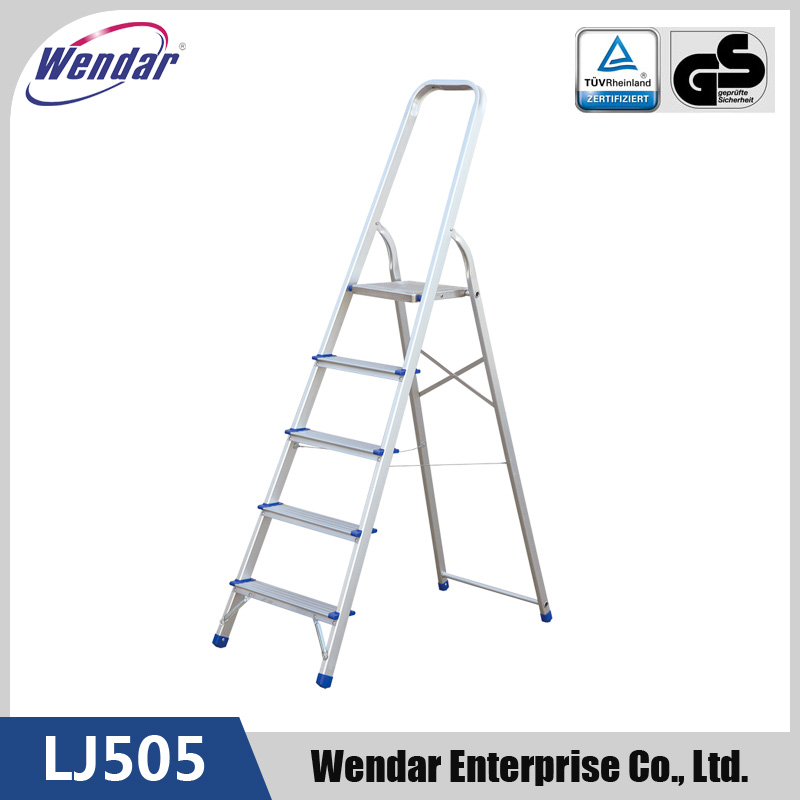
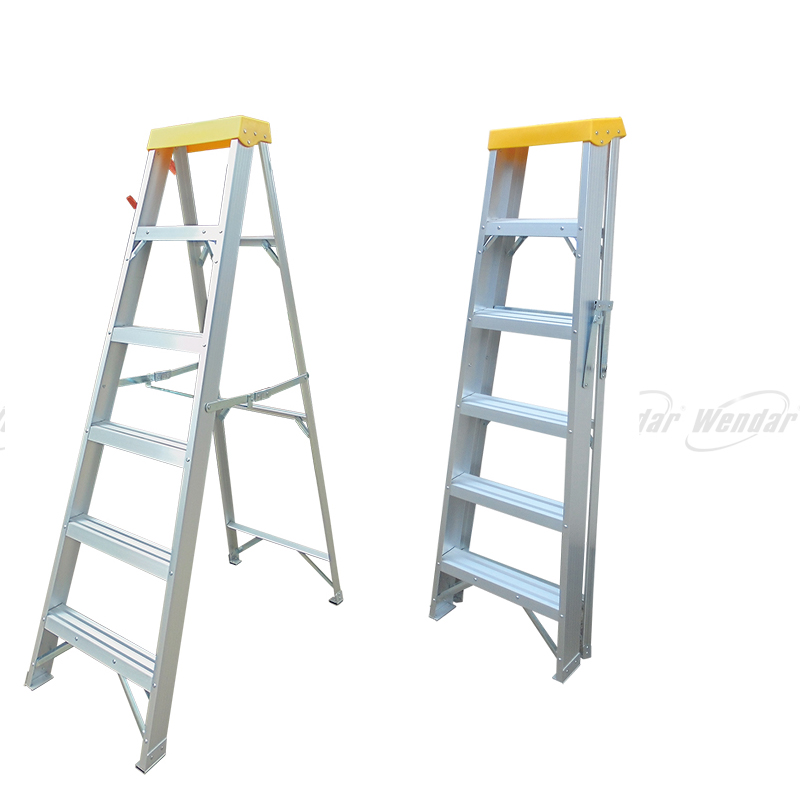
- Aluminum Alloys: Most commercial and industrial ladders utilize 6063-T5 or 6061-T6 aluminum. 6063-T5 offers excellent extrudability and surface finish, while 6061-T6 provides superior yield strength for heavy-duty industrial models. Wall thickness is the primary variable manufacturers manipulate to reduce costs; specify a strict minimum thickness (typically 1.2mm for consumer grades, up to 2.0mm or more for industrial applications) and verify it during production.
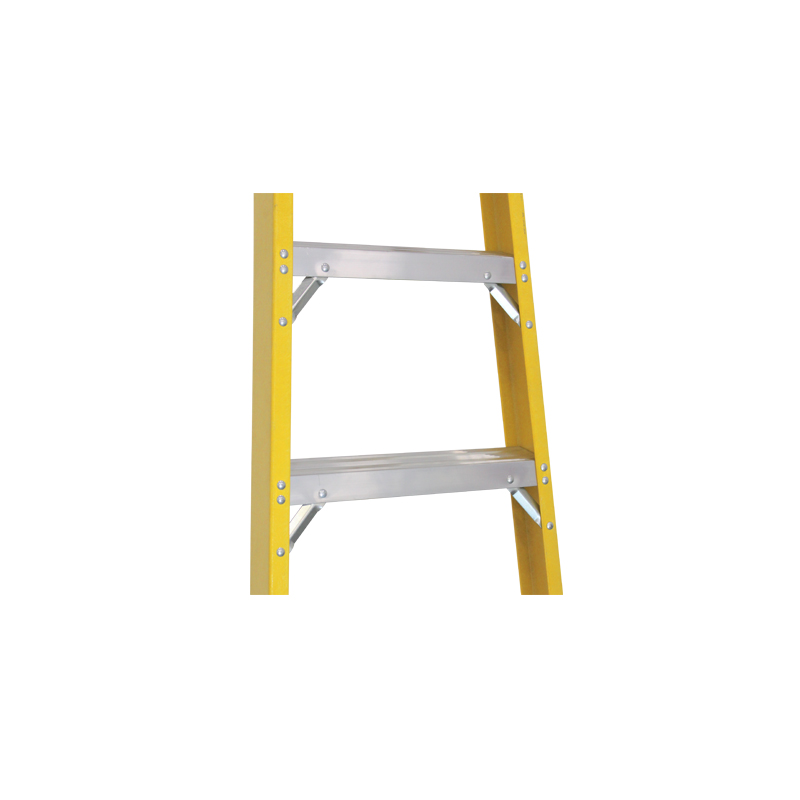
- Fiberglass (FRP): Essential for electrical work, fiberglass rails must achieve a precise resin-to-glass ratio to prevent brittleness while maintaining rigidity. UV inhibitors must be mixed into the resin to prevent the rails from degrading and splintering under prolonged sun exposure.
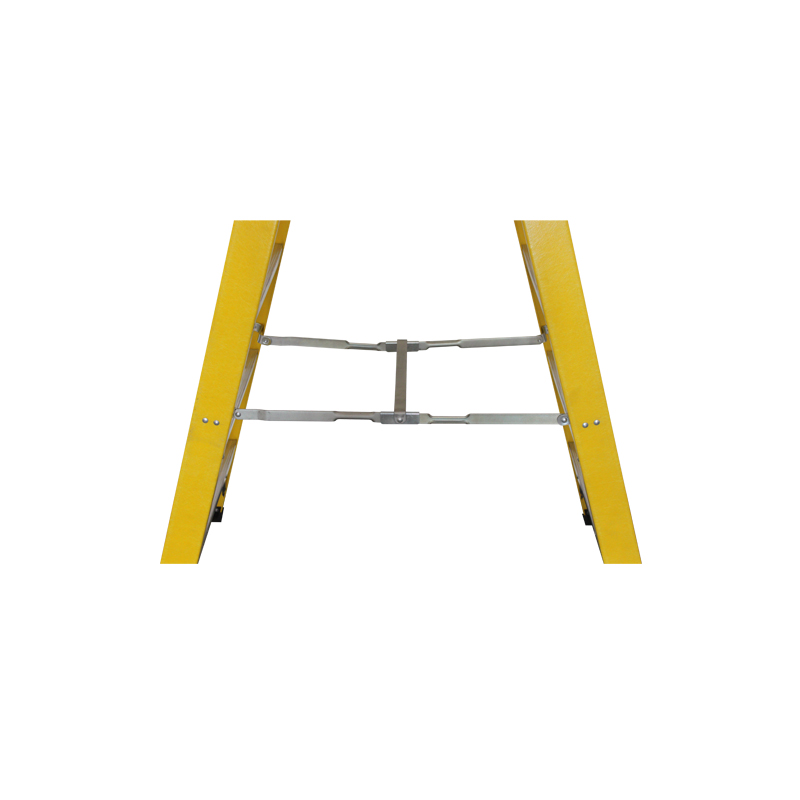
- Hardware and Fasteners: Hinges, rivets, and locking mechanisms should be stamped from heavy-gauge steel or cast aluminum, treated with anti-corrosive plating (such as zinc or powder coating).
| Standard | Target Market | Primary Testing Focus |
|---|---|---|
| EN 131 | Europe & UK | Cyclic testing, base slip resistance, 150kg capacity |
| ANSI A14 | North America | Duty ratings (Type I, IA, IAA), bending strength |
| AS/NZS 1892 | Australia & NZ | Dynamic impact, torsion, industrial vs domestic ratings |
Need to align your product specifications with strict regional safety standards? We can help you source from factories with proven compliance records.
Talk to our teamManufacturing Tolerances and Quality Control
Ladders fail at their connection points. The method used to join rungs to rails—whether through direct welding, hydraulic swaging (crimping), or riveting—must be executed with absolute consistency. Poorly calibrated swaging machines will leave rungs loose, creating a torsion risk, while improper welding on aluminum can compromise the alloy's temper.
Implementing robust quality control procedures is non-negotiable. Because physical testing is destructive, factories must perform batch testing on-site.
Critical Inspection Points for Access Equipment
- Rung-to-rail joint integrity (torsion and pull-out resistance testing)
- Wall thickness verification using ultrasonic gauges on extruded profiles
- Anti-slip foot pad adhesion and shore hardness validation
- Hinge locking mechanism engagement and cyclic fatigue testing
- Labeling compliance (safety warnings and load rating markings)
To mitigate liability, you must verify that the supplier actually possesses the testing rigs required for your target market's standards. Conducting thorough factory audits prior to finalizing your supplier choice ensures they aren't outsourcing their compliance checks to third-party labs only when requested.
Production MOQs, Pricing Drivers, and Logistics
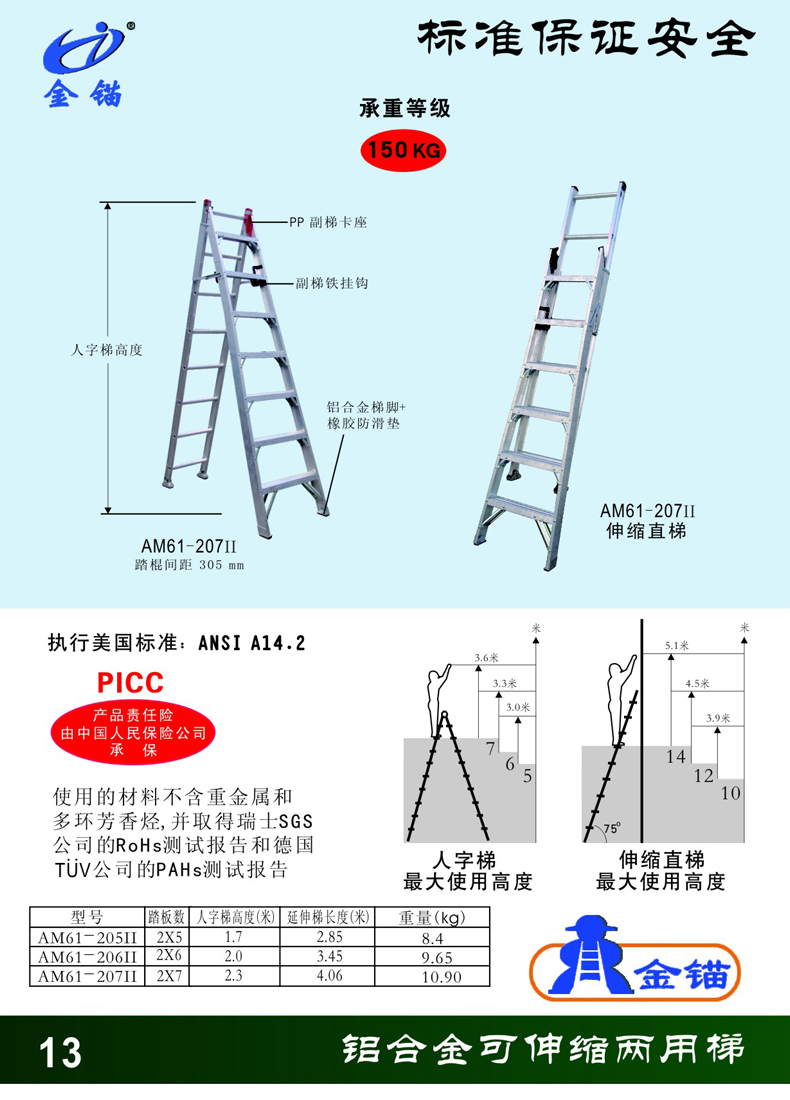
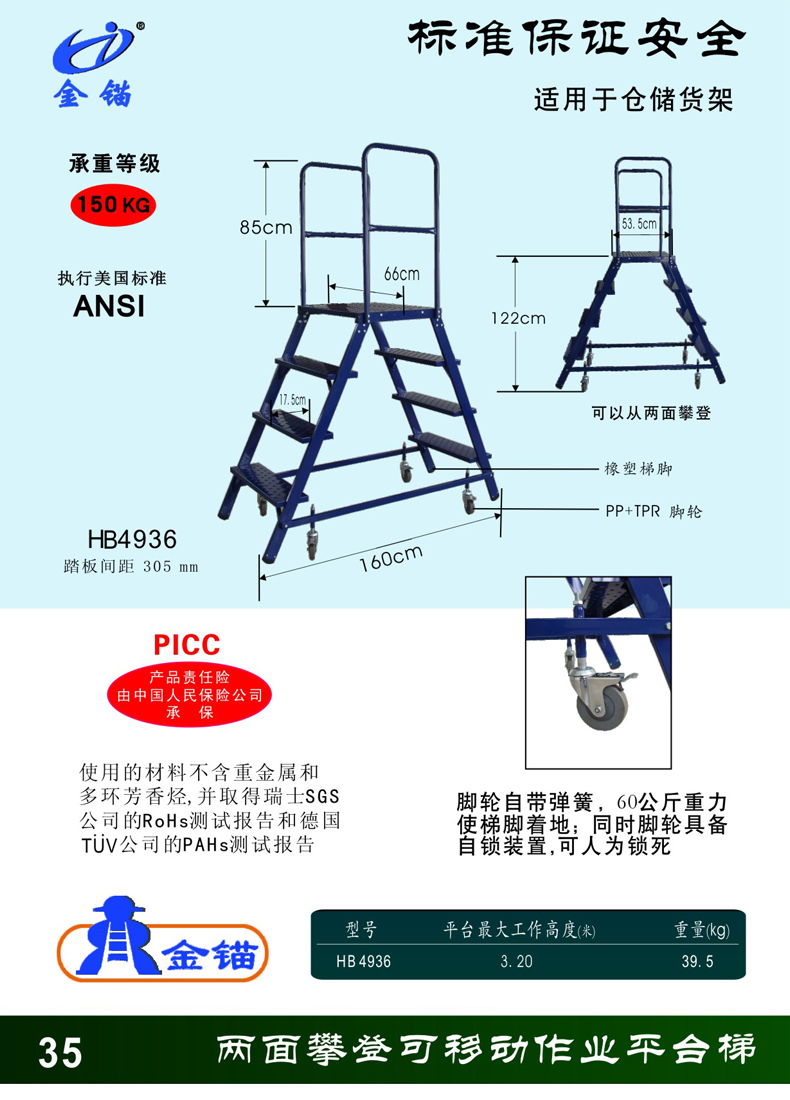
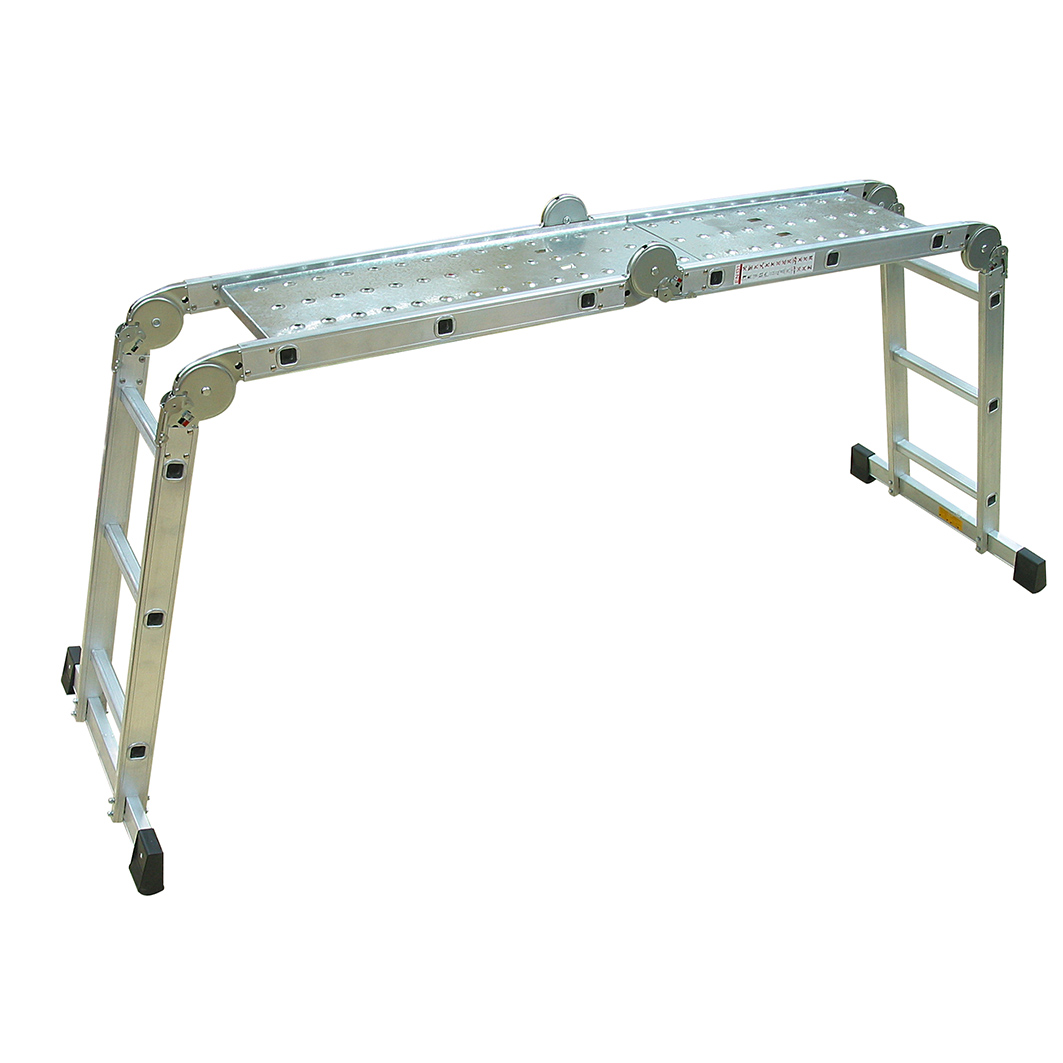
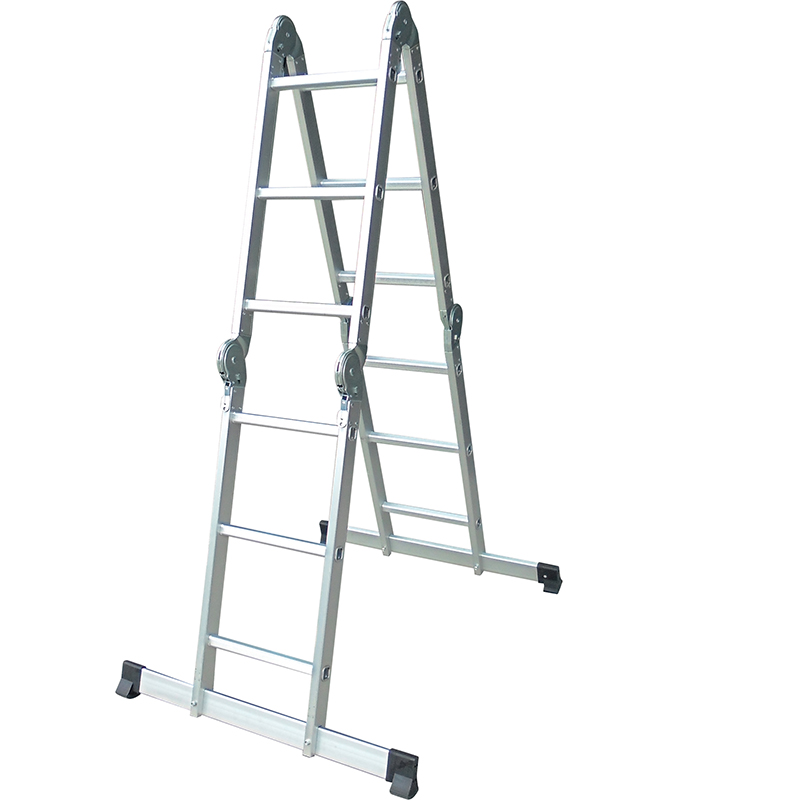
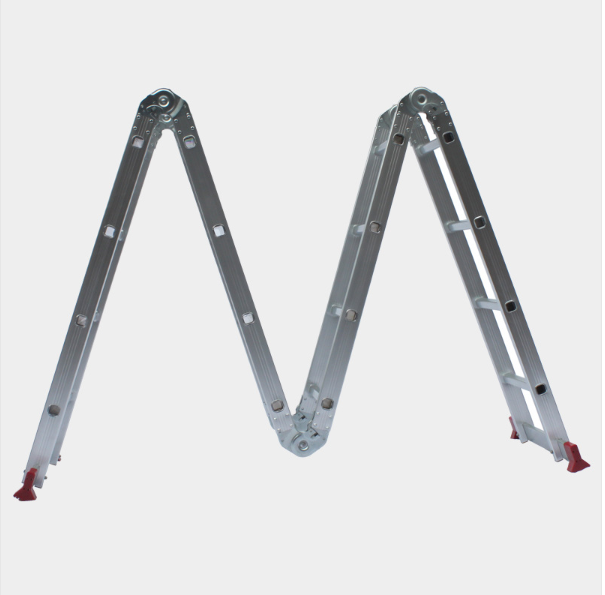
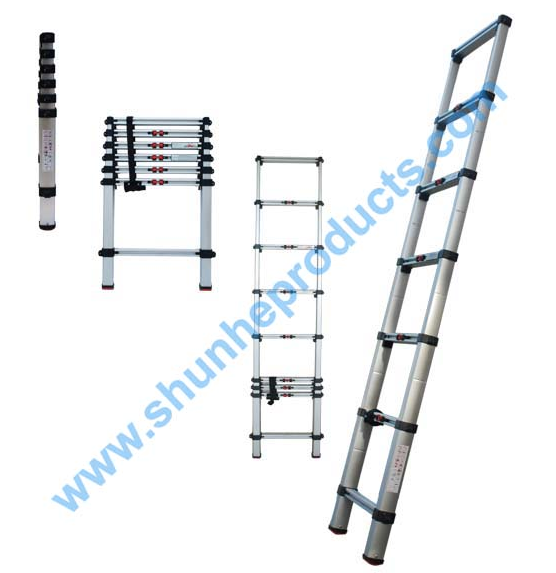
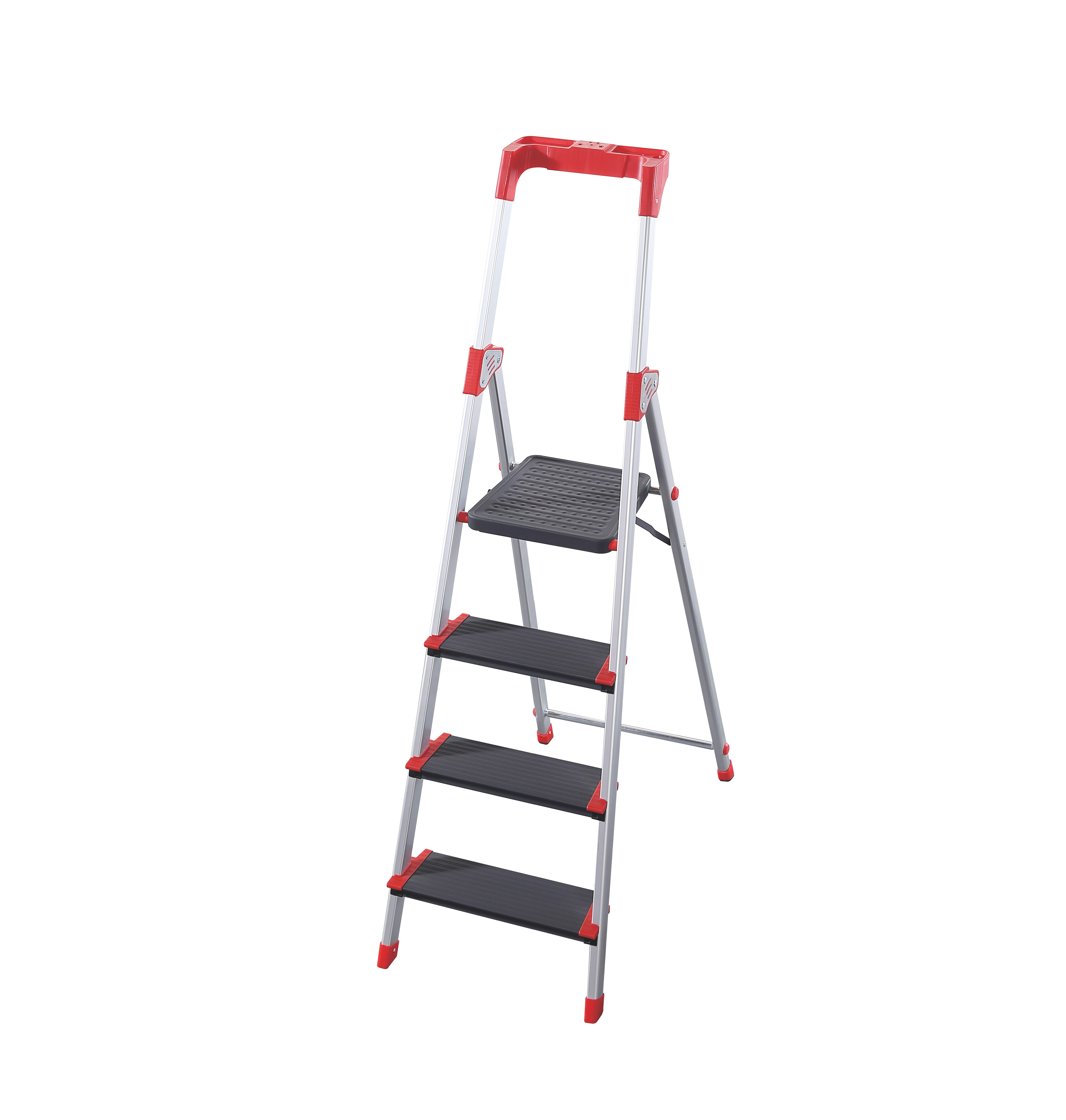
Ladders are highly volumetric; you are essentially shipping air. Therefore, logistics and container utilization heavily influence your landed cost. Telescopic and multi-purpose folding ladders pack densely, whereas traditional step ladders and extension ladders require careful container optimization to remain economically viable.
Pricing is driven almost entirely by the London Metal Exchange (LME) spot prices for aluminum, or the cost of fiberglass resins, plus the specific weight of the ladder. When negotiating OEM/ODM services for private-label production, ensure your contracts lock in material weights and thicknesses, not just the final unit price, to prevent "light-weighting" in subsequent production runs.
Optimize your container loading and secure reliable manufacturing partners. Let us streamline your supply chain from factory floor to final destination.
Get a free consultationBuyer FAQ
When importing ladders in volume, your profitability hinges on meticulous specification management and freight optimization. By locking down material weights, demanding rigorous in-line testing, and optimizing your container loads, you can secure a reliable supply of compliant, high-margin access equipment.
Get Sourcing Help for Ladders
Tell us your requirements and our experts will connect you with verified manufacturers.