Lace Machines
Source high-quality industrial lace machines from vetted Chinese manufacturers and suppliers. Designed for importers, distributors, and apparel machinery wholesalers looking for bulk orders and OEM production. Compare competitive wholesale pricing, verify factory capabilities, and secure reliable heavy-duty equipment for your supply chain.
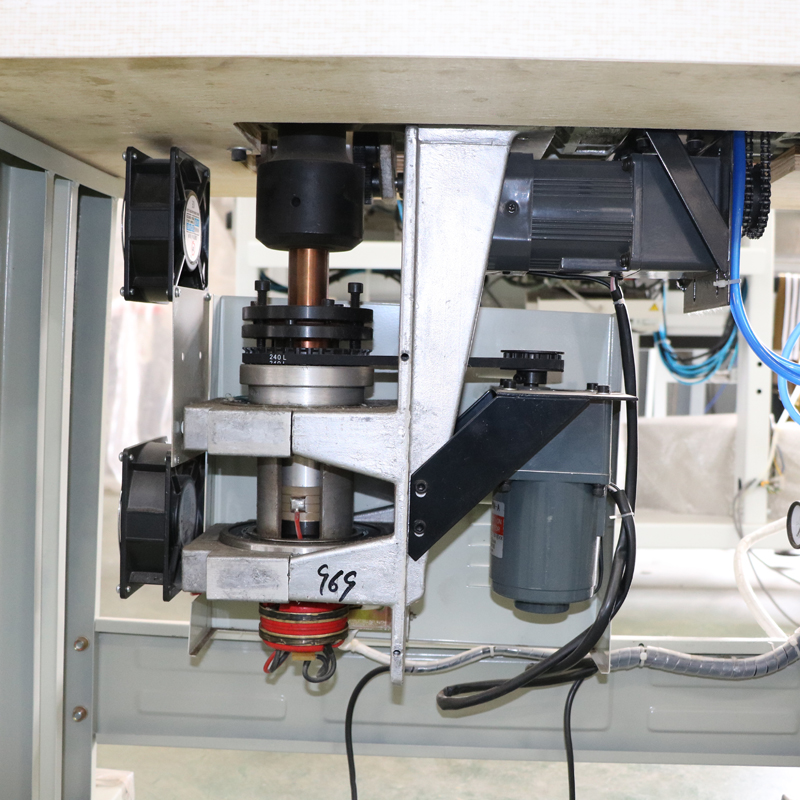
Sourcing commercial lace machines—whether ultrasonic lace sewing equipment for non-woven fabrics or high-speed raschel knitting machines for traditional textile lace—requires strict attention to component durability and mechanical precision. The primary challenge for volume buyers is verifying that a manufacturer uses reliable core components, precise pneumatic controls, and durable steel alloy rollers that can withstand continuous, multi-shift production without degrading output quality.
Core Specifications and Technologies
The term "lace machine" typically covers two distinct technology categories in the modern apparel machinery market. Specifying the correct architecture and component thresholds is critical for operational stability.
| Technology Type | Primary Application | Core Components | Typical Working Speed |
|---|---|---|---|
| Ultrasonic Lace Machines | Non-woven fabrics, synthetic textiles, surgical gowns, packaging | Ultrasonic generator, transducer, pneumatic cylinder, patterned steel roller | Up to 20 meters per minute |
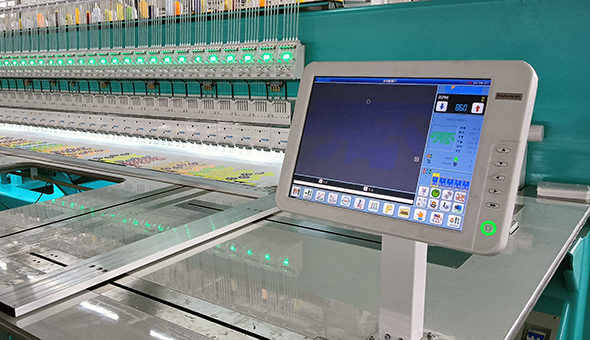
| Traditional Lace Knitting (Raschel/Crochet) | Apparel lace, lingerie, curtains, traditional textiles | Needle beds, jacquard systems, yarn feeders, servo motors | Varies by needle gauge and complexity |
For ultrasonic machines, the operating frequency is the most critical specification. Standard apparel and textile applications typically utilize 20kHz systems, which offer the ideal balance of cutting power and edge-sealing precision. Machines operating at 15kHz are generally reserved for thicker, heavier non-woven materials, while 35kHz systems are used for highly delicate, fine-detail work.
Manufacturing Quality and Component Verification
The difference between a machine that runs flawlessly for years and one that suffers constant downtime lies in the internal components. Many lower-tier factories cut costs by using generic generators or inferior steel for the pressing rollers (horns). When assessing suppliers, thorough Factory Audits are essential to verify their assembly standards and component sourcing.
Critical Inspection Points for Lace Machines
- Ultrasonic Generator Quality: Ensure the factory uses high-stability generators (often Taiwanese or premium domestic brands) with built-in overload protection to prevent overheating during extended runs.
- Roller (Anvil) Hardness: Pattern rollers must be machined from high-grade alloy steel and heat-treated to a hardness of HRC 50 or higher to prevent premature wear.
- Pneumatic System Stability: Check the pneumatic cylinders for consistent downward pressure; uneven pressure results in skipped cuts or poor edge sealing.
- Motor and Drive Systems: Premium machines use dual-motor systems (often servo or high-end stepper motors) to synchronize the rotation of the horn and the pattern roller perfectly.
Need to verify a machinery manufacturer's technical capabilities before placing a bulk order? Our engineers can audit the factory floor on your behalf.
Talk to our teamTooling and Customization
Volume buyers and distributors often require custom pattern rollers. The tooling process for these rollers requires high-precision CNC engraving. A reputable manufacturer should be able to take your CAD files and produce custom rollers with lead times of 5 to 10 days. If you are developing proprietary lace patterns for a specific brand, ensure the supplier has strict IP protection protocols in place and in-house CNC capabilities rather than outsourcing the roller production.
Buying Mechanics: MOQs, Pricing, and Lead Times
Commercial apparel machinery operates on different procurement mechanics than consumer goods. While unit costs are high, the total cost of ownership—factoring in maintenance, downtime, and defect rates—is the true metric of a successful sourcing operation.
When negotiating pricing, clarify exactly what is included. Does the price include standard pattern rollers, or are those billed separately? Furthermore, because these machines are heavy and sensitive to moisture and impact, proper packaging (typically vacuum-sealed inside reinforced wooden crates) is non-negotiable. Coordinating the Shipping & Freight for heavy machinery requires specialized handling to ensure the equipment arrives calibrated and ready for installation.
Planning a large-scale machinery procurement? Let us handle the supplier negotiation, quality control, and international freight.
Get a free consultationFrequently Asked Questions
Successfully sourcing commercial lace machines requires looking past the spec sheet and evaluating the factory's engineering discipline. By securing reliable components and enforcing strict pre-shipment testing protocols, you protect your production line from costly downtime and ensure consistent manufacturing quality.
Get Sourcing Help for Lace Machines
Tell us your requirements and our experts will connect you with verified manufacturers.