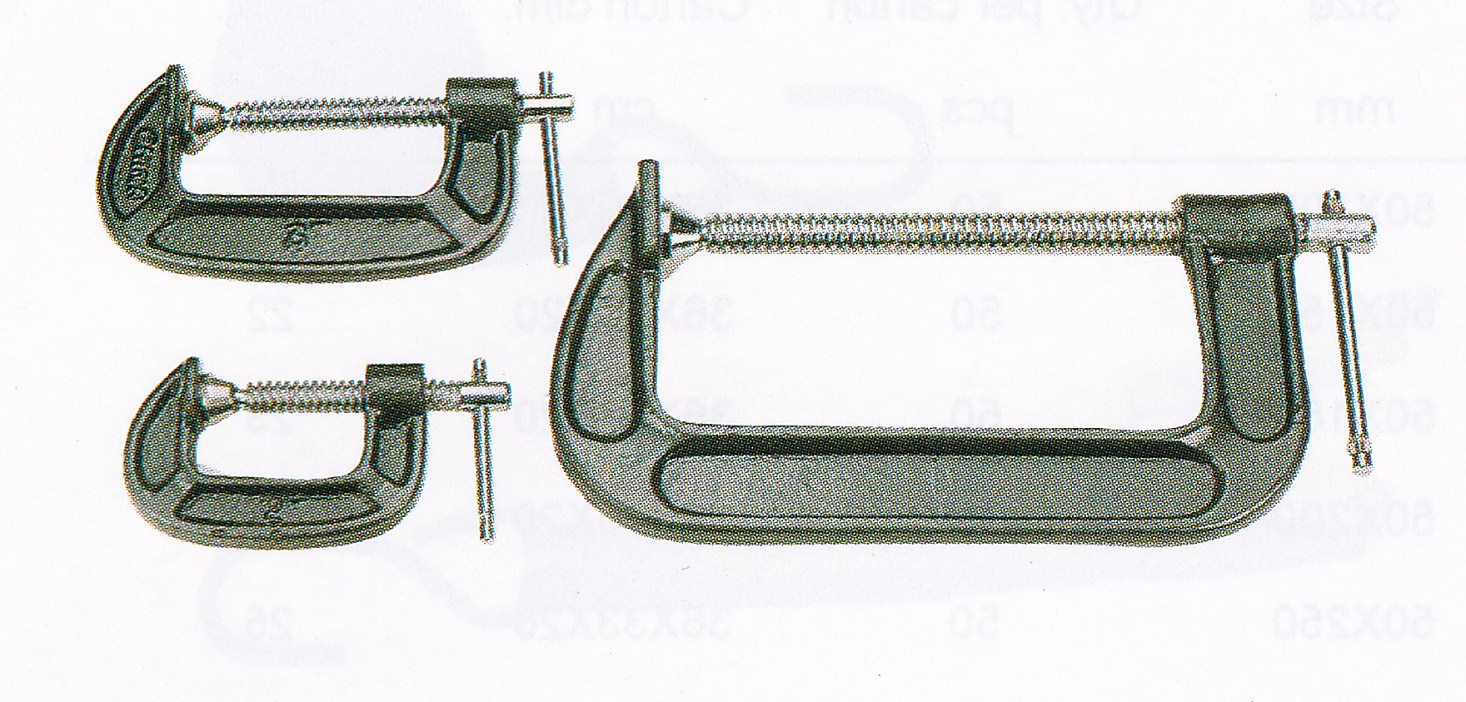
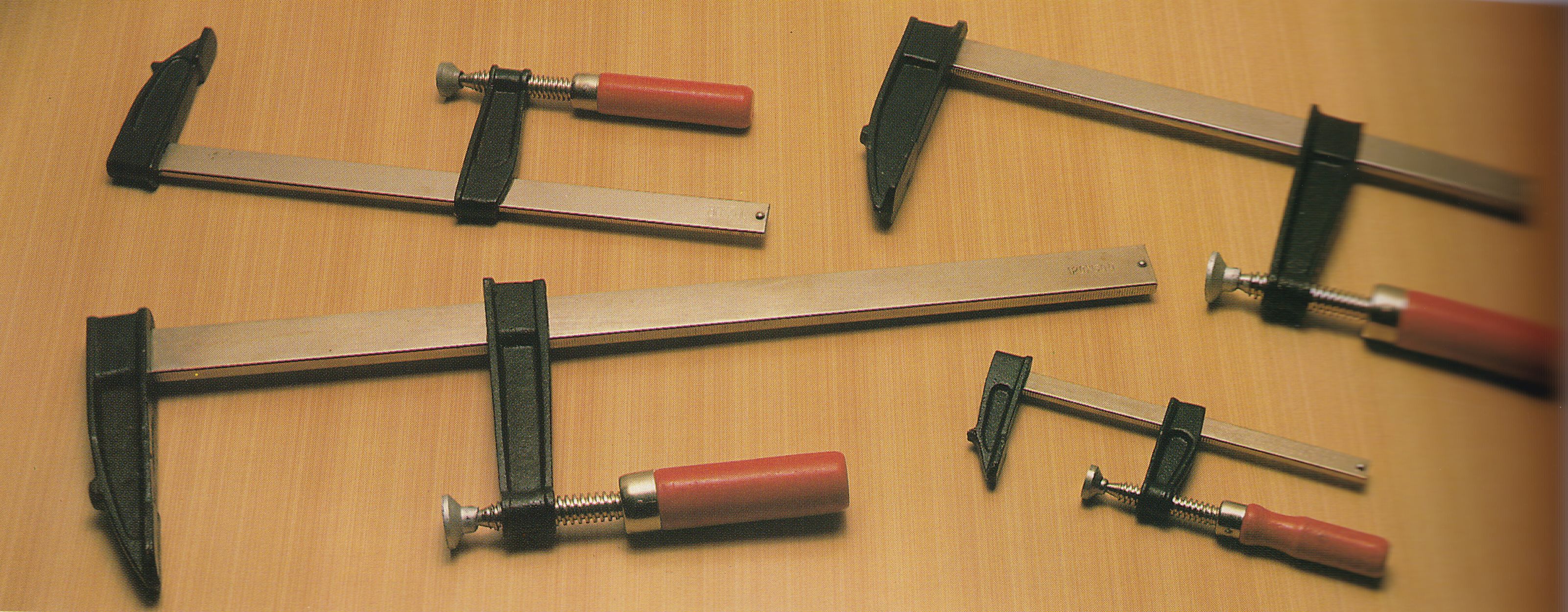
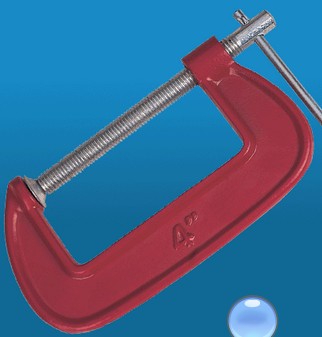
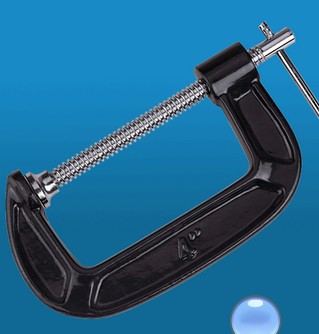
Laboratory Clamps
Source high-quality Laboratory Clamps from vetted suppliers and manufacturers across Asia. Designed for scientific equipment importers, wholesale distributors, and brands seeking reliable OEM production, our network delivers precision-engineered clamping hardware built for demanding chemical and physical laboratory environments.
Sourcing laboratory clamps in bulk requires strict attention to material resilience and mechanical reliability. When securing expensive or hazardous glassware, clamping failures are unacceptable. Importers and distributors must navigate a supply chain where minor variations in die-casting density, surface treatments, or thread machining can severely impact the final product's safety profile and lifespan.
Securing reliable lab hardware manufacturing requires strict supplier vetting. Merhein helps you identify capable factories and manage production from start to finish.
Talk to our teamMaterial Specifications and Jaw Coatings
The structural integrity of a laboratory clamp begins with the base metal. The vast majority of standard lab clamps are manufactured using zinc alloy (Zamak) via high-pressure die casting, offering a balance of weight, cost, and structural rigidity. Premium or highly specialized variants utilize cast aluminum or stainless steel for enhanced corrosion resistance in aggressive chemical environments.
Beyond the body material, buyers must specify the exact jaw coating based on the end-user's application. Supplying the wrong coating can lead to melted residue on glassware or a lack of grip during critical procedures.
| Coating Material | Heat Resistance | Chemical Resistance | Typical Application |
|---|---|---|---|
| Cork | Low (under 150°C) | Moderate | Basic educational labs |
| PVC / Vinyl | Moderate (under 100°C) | Good | General chemistry |
| Silicone | High (up to 250°C) | Excellent | High-temp distillation |
Manufacturing Tolerances and Quality Control
The primary failure points in laboratory clamps are the adjustment screws, internal springs, and bosshead connections. Stripped threads or brittle die-cast bodies are common defects when factories cut costs by using high-impurity scrap zinc or failing to maintain proper mold temperatures.
Verifying a factory's casting and machining capabilities is critical before placing a volume order. For high-volume buyers, conducting thorough Factory Audits prevents partnering with facilities that lack proper metallurgical controls or rely on outdated machining centers.
Critical QC Checkpoints for Lab Clamps
- Thread smoothness and engagement on all adjustment thumbscrews
- Coating adhesion on jaws (peel testing to ensure no slipping)
- Corrosion resistance of the main body (salt spray testing on plated parts)
- Dimensional accuracy and clamping force of the integrated bosshead
- Spring tension consistency in dual-adjust models
To ensure these standards are met before the container is loaded, implementing rigorous Quality Control & Inspection protocols at the factory level is essential for maintaining your brand's reputation.
Sourcing Realities: MOQs, Pricing, and Lead Times
Bulk pricing for laboratory clamps is highly dependent on metal commodity markets (specifically zinc and aluminum) and the complexity of the adjustment mechanism (e.g., 2-prong versus 3-prong, single versus dual adjustment). Because these items are produced via die-casting, factories require sufficient volume to justify machine setup and finishing runs.
Brands looking to introduce proprietary designs, specialized clamping mechanisms, or unique ergonomic thumbscrews will utilize OEM/ODM Services to develop custom molds. While standard designs are readily available off-the-shelf from many hardware manufacturers, custom tooling allows for precise control over branding and structural reinforcements.
Navigate fluctuating material costs and negotiate better terms with vetted hardware manufacturers.
Get a free consultationFrequently Asked Questions
Successful procurement of laboratory clamps hinges on specifying exact material grades and demanding strict thread tolerances. By partnering with manufacturers who maintain rigorous die-casting standards, importers can ensure their hardware performs safely in the most demanding scientific environments.
Get Sourcing Help for Laboratory Clamps
Tell us your requirements and our experts will connect you with verified manufacturers.