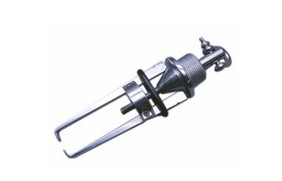
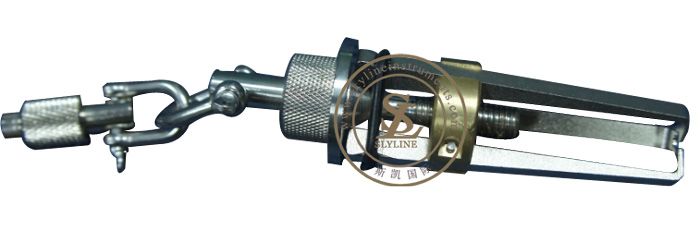
Laboratory Clamps
Source high-quality laboratory clamps from vetted suppliers and manufacturers across Asia. Designed for wholesale distributors, scientific equipment importers, and brands seeking reliable OEM production, our network connects you with factories capable of meeting strict tolerances and high-volume demands.
Sourcing laboratory clamps at scale requires balancing material durability with precise machining. While these components appear simple, their performance in harsh chemical and thermal environments depends entirely on the factory's casting quality, threading tolerances, and choice of surface treatments. A minor defect in a clamp's adjustment screw or jaw lining can lead to compromised lab safety and rejected shipments.
Material Specifications and Jaw Linings
The base metal and jaw lining dictate the clamp's chemical resistance, heat tolerance, and cost. Specifying the correct combination is critical when negotiating with manufacturers, as substituting cheaper alloys is a common factory shortcut.
| Material Base | Typical Application | Corrosion Resistance | Cost Profile |
|---|---|---|---|
| Zinc Alloy | General chemistry, education | Moderate (requires plating) | Low to Medium |
| Cast Iron | Heavy-duty support stands | Low (requires enamel coating) | Low |
| Aluminum Alloy | Lightweight apparatus holding | Good (when anodized) | Medium |
| Stainless Steel (304/316) | Corrosive environments, high heat | Excellent | High |
Beyond the base metal, the grip material must be specified based on the end-user's thermal requirements. Vinyl or PVC sleeves are cost-effective but melt at temperatures over 100 degrees Celsius. Cork linings offer moderate heat resistance but degrade rapidly if exposed to aggressive solvents. For high-temperature or highly corrosive environments, silicone or woven fiberglass sleeves are mandatory.
Need help standardizing your clamp specifications across multiple suppliers? Merhein can help you lock in exact material requirements before production begins.
Talk to our teamManufacturing Tolerances and Quality Control
Most standard laboratory clamps (such as extension clamps, burette clamps, and three-prong clamps) are produced via die-casting. The primary quality risks occur during the casting process and the subsequent machining of the adjustment mechanisms.
When conducting Factory Audits, it is essential to review the supplier's tooling maintenance and their secondary machining capabilities. Worn tooling leads to flash (excess metal) on the clamp body, which requires manual grinding and often ruins the final plated finish.
The adjustment screws are the most frequent point of failure. Cheaply manufactured clamps often feature poorly tapped threads that bind or strip after minimal use. High-quality clamps utilize brass or precisely machined steel screws that provide smooth, continuous tension.
Critical Pre-Shipment Inspection Points
- Thread binding: Test all adjustment screws for smooth travel across the entire thread length.
- Plating adhesion: Check chrome or powder-coated finishes for flaking, which indicates poor pre-treatment.
- Jaw alignment: Ensure three-prong and two-prong jaws meet perfectly parallel without twisting.
- Spring tension: Verify that spring-loaded mechanisms maintain consistent clamping force without permanent deformation.
- Sleeve securement: Confirm that PVC or fiberglass sleeves are firmly bonded or fitted and do not slip under load.
Implementing rigorous Quality Control & Inspection protocols before the goods leave the factory is the only reliable way to catch these machining and assembly defects.
Production MOQs, Lead Times, and Pricing
Laboratory clamps are low-margin, high-volume consumables. Factories optimize their production runs based on the casting molds and plating batches.
Pricing is heavily heavily influenced by the weight of the metal and the quality of the surface finish. A heavy-duty zinc alloy clamp with flawless chrome plating and brass adjustment screws will cost significantly more than a lightweight, nickel-plated alternative. If you are utilizing OEM/ODM Services to develop proprietary clamp designs or branded packaging, expect the factory to require higher initial MOQs to offset the setup costs.
Struggling to negotiate favorable terms or verify factory capabilities? Let Merhein manage the supplier vetting, pricing negotiations, and quality assurance for your lab supply orders.
Get a free consultationFrequently Asked Questions
Securing a reliable supply chain for laboratory clamps means looking past surface-level pricing to understand the factory's casting precision and material honesty. By enforcing strict specifications and maintaining presence on the factory floor, you can eliminate the defect rates that commonly plague imported lab hardware.
Get Sourcing Help for Laboratory Clamps
Tell us your requirements and our experts will connect you with verified manufacturers.