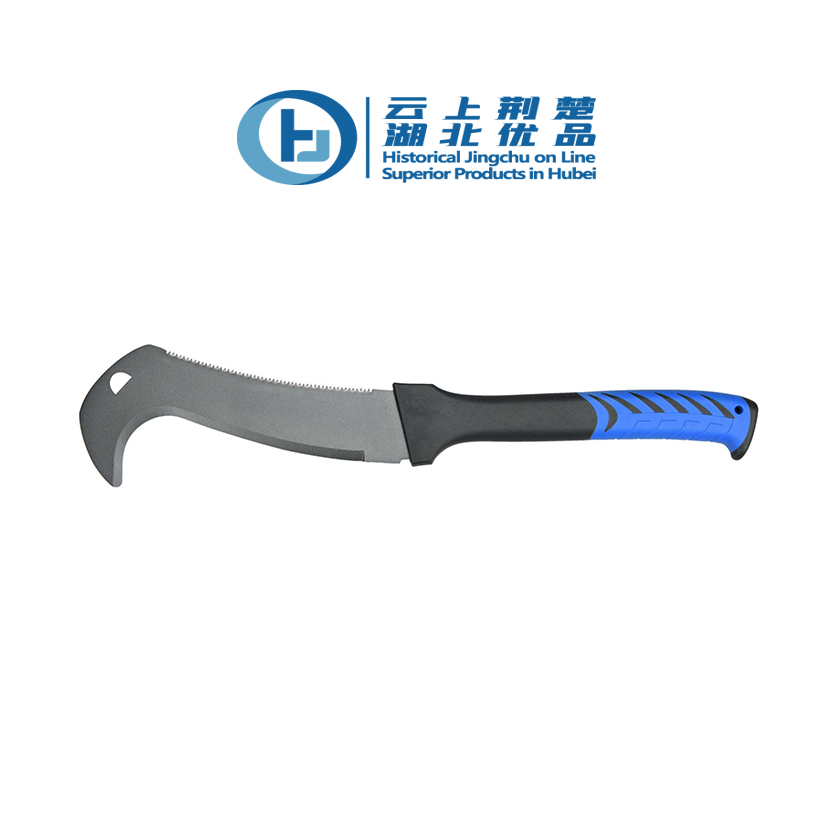
Knives
Source high-quality knives from vetted manufacturers and suppliers across Asia. Built for importers, hardware distributors, and brands seeking reliable bulk wholesale or custom OEM/ODM production. Partner with factories delivering precise steel grades, reliable heat treatment, and scalable manufacturing.
Sourcing knives at scale requires balancing unit costs with functional performance and durability. The difference between a tool that holds its edge and one that chips or rolls in the field comes down to precise metallurgy, consistent heat treatment, and rigorous factory-level quality control. For volume buyers, securing a reliable supply chain means looking past cosmetic finishes and validating the manufacturer's core engineering capabilities.
Specifying Blade Steel and Heat Treatment
The foundation of any knife is its steel, but the raw material is only half the equation. The factory's heat treatment process dictates the final Rockwell Hardness (HRC), edge retention, and toughness. When negotiating with suppliers, specifying the exact steel grade and the required HRC range is non-negotiable.
Chinese manufacturing hubs, particularly in Yangjiang, offer a wide spectrum of steel options, from budget-friendly stainless to premium tool steels.
| Steel Grade | Common Application | Typical HRC | Key Characteristic |
|---|---|---|---|
| 420J2 / 3Cr13 | Entry-level utility, dive knives | 52 - 54 | High corrosion resistance, low cost |
| 8Cr13MoV | Mid-range EDC, work knives | 56 - 58 | Excellent balance of cost and performance |
| D2 (Tool Steel) | Heavy-duty tactical, hunting | 59 - 61 | High edge retention, semi-stainless |
| VG-10 / 14C28N | Premium EDC, culinary | 58 - 60 | Superior sharpness and grain structure |
A common sourcing pitfall is steel substitution, where a factory might quote D2 but use a cheaper equivalent like 8Cr13MoV to increase margins. Preventing this requires strict material specifications and third-party Positive Material Identification (PMI) testing.
Struggling with inconsistent steel hardness or material substitution from your current supplier? Let us audit your supply chain and enforce strict quality standards.
Talk to our teamManufacturing Methods and Quality Control
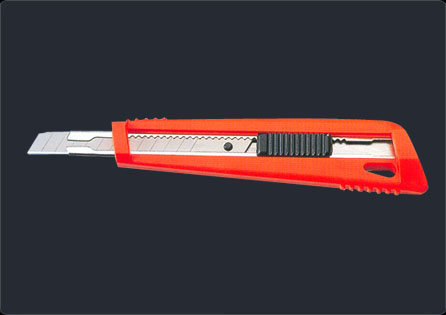
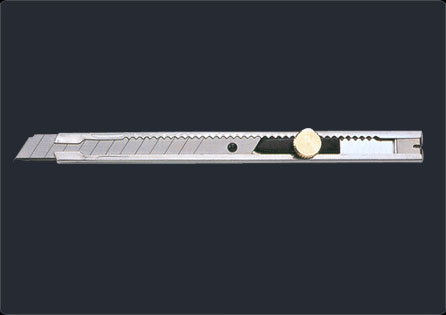
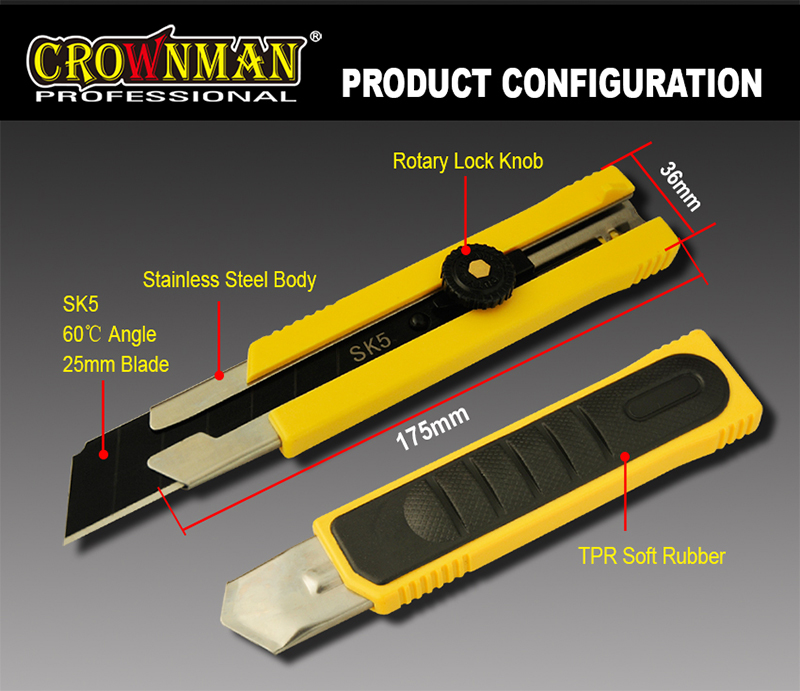
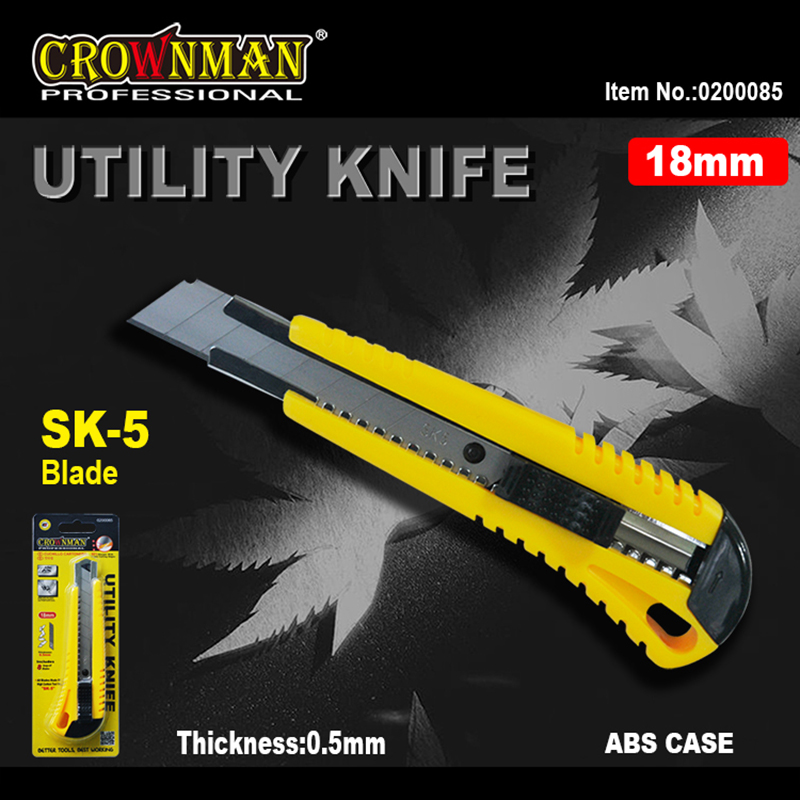
The manufacturing method heavily influences both the unit price and the structural integrity of the knife. High-volume utility and folding knives are typically produced via precision blanking (stamping) from sheet steel, followed by CNC or automated hollow/flat grinding. Fixed-blade heavy-duty knives may utilize drop forging for enhanced structural density.
Where factories most often cut corners is in the grinding and finishing stages. Rushed grinding generates excess heat, which can ruin the blade's temper and lower the HRC at the edge.
Integrating robust Quality Control & Inspection is critical to catch these defects before shipment. Your inspection criteria should cover:
Critical QC Checkpoints for Knives
- Edge geometry and symmetry (even bevels on both sides)
- HRC verification via localized hardness testing
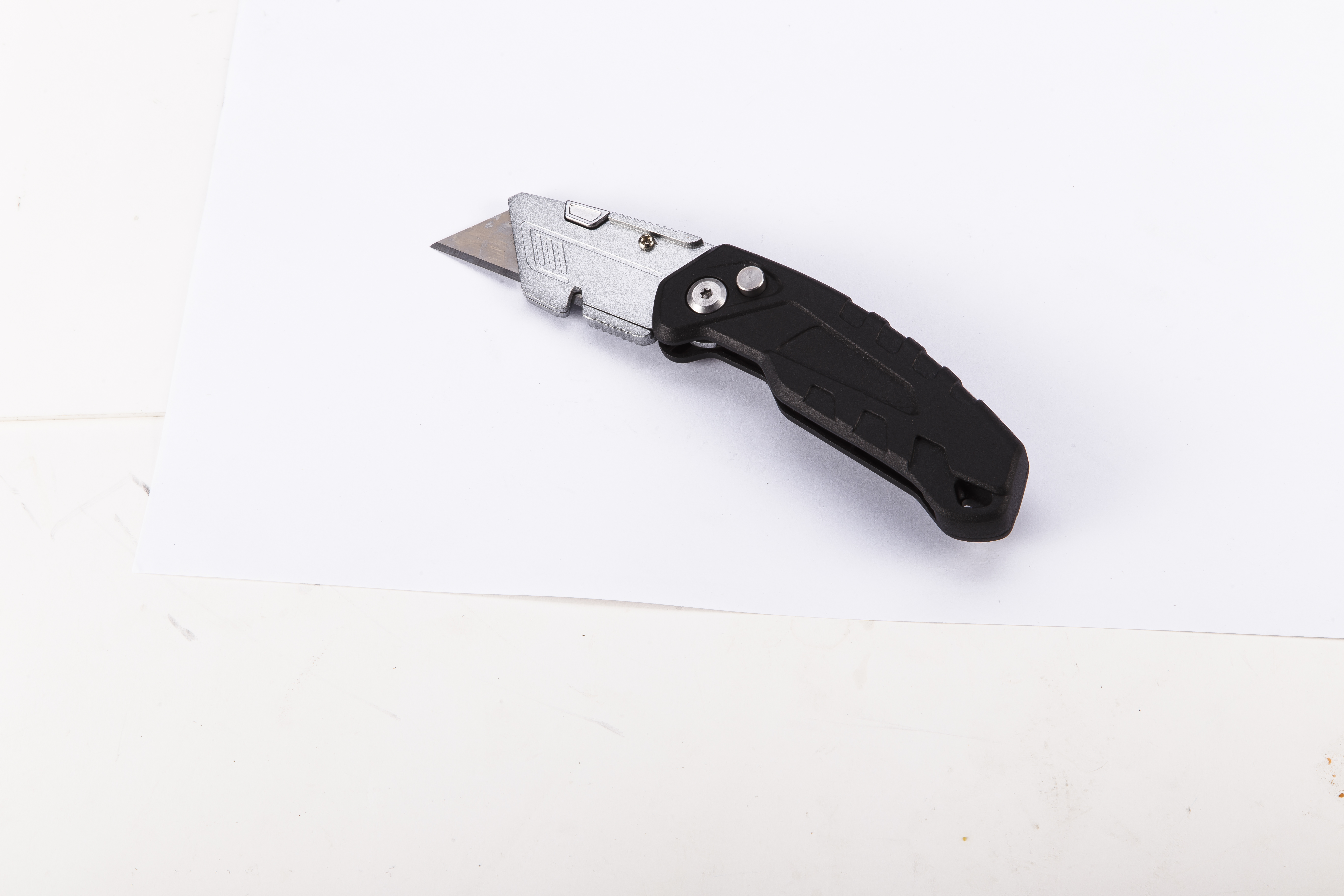
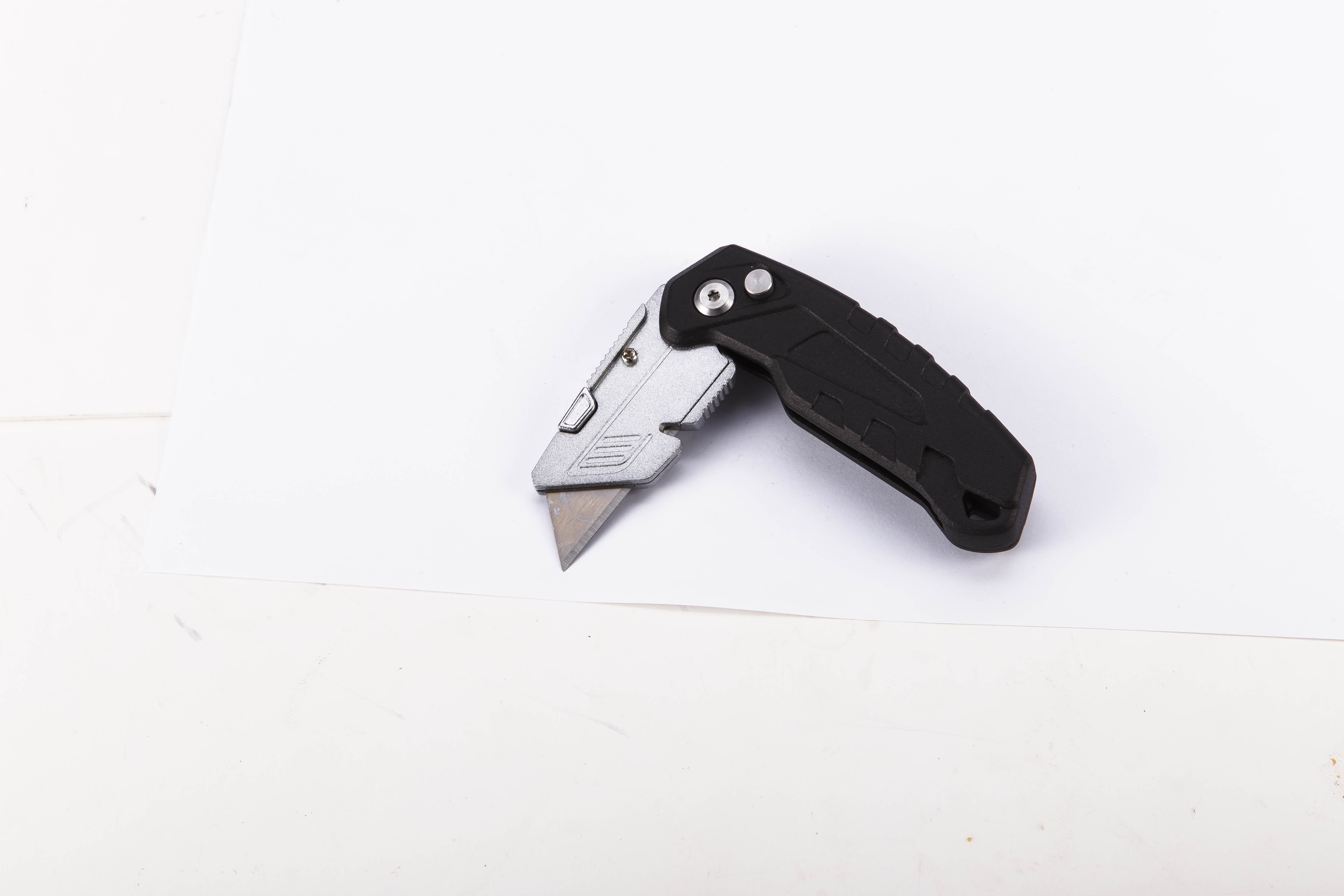
- Lockup and detent strength (for folding mechanisms like liner or frame locks)
- Blade centering when closed (no rubbing against liners)
- Handle scale fitment (flush transitions between G10/Micarta/TPR and tang)
OEM/ODM and Customization
Many brands choose to modify existing factory designs (ODM) or develop entirely new models from scratch (OEM). When developing a custom knife, the handle material and mechanism dictate the tooling costs. Injection-molded handles (TPR, ABS, or Glass-Filled Nylon) require steel molds, which carry upfront costs but drastically reduce the per-unit price at high volumes. Conversely, CNC-milled materials like G10, Micarta, or Titanium require minimal tooling but have higher per-unit machining costs.
Utilizing professional OEM/ODM Services ensures your intellectual property is protected and that CAD files translate accurately into production-ready prototypes. Before committing to expensive tooling, conducting thorough Factory Audits is essential to verify the supplier's CNC capabilities and assembly tolerances.
Production Costs, MOQs, and Lead Times
Pricing in the knife category is highly elastic, driven primarily by steel choice, handle material, and the complexity of the locking mechanism.
Suppliers will often negotiate MOQs if you utilize standard, off-the-shelf handle molds and only customize the blade shape or branding. To navigate these variables and secure the most efficient production schedule, comprehensive Product Sourcing management can help consolidate orders and negotiate better terms with specialized manufacturers.
Ready to scale your knife production with reliable factory partners? Contact us to discuss your specific sourcing requirements.
Get a free consultationFrequently Asked Questions
Successfully sourcing knives in bulk is about managing tolerances and verifying materials. By partnering with factories that possess strict internal quality systems and enforcing rigorous third-party inspections, you can build a reliable product line that performs consistently in the field.
Get Sourcing Help for Knives
Tell us your requirements and our experts will connect you with verified manufacturers.