Kitchen Timers
Source reliable kitchen timers in bulk from vetted manufacturers and suppliers in China and across Asia. Designed for importers, wholesalers, distributors, and brands seeking OEM/ODM production, our network provides direct access to factory pricing, rigorous quality control, and scalable manufacturing for both mechanical and digital models.
Sourcing kitchen timers at scale reveals a sharp divide between suppliers who understand precision assembly and those who merely assemble off-the-shelf parts. While these products appear simple, their failure rates in the field—whether from snapped mainsprings in mechanical units or failing LCD segments in digital models—can quickly erode margins. Securing a reliable supply chain requires specifying exact component grades and implementing strict factory-level oversight before mass production begins.
Engineering Specifications: Mechanical vs. Digital
The procurement strategy for kitchen timers depends entirely on the underlying mechanism. Buyers must specify the core components to prevent factories from quietly substituting cheaper, lower-grade alternatives during production.
| Specification Focus | Mechanical Timers | Digital Timers |
|---|---|---|
| Core Mechanism | Carbon steel or stainless steel mainspring | IC chip and quartz oscillator |
| Acoustic Output | Physical bell hammer (requires tuned housing) | Piezo buzzer (target 70 to 85 dB output) |
| Durability Vulnerability | Gear train misalignment, spring fatigue | Cold solder joints, battery contact corrosion |
| Housing Material | Cold-rolled steel, 430 stainless, or ABS | Food-grade ABS, silicone overmolding |
For digital timers, the quality of the Printed Circuit Board (PCB) and the LCD screen's viewing angle are paramount. Cheap LCDs wash out when viewed from above—a common angle in kitchen environments. For mechanical timers, the temper of the mainspring dictates the product's lifespan. A poorly tempered spring will lose tension after a few hundred cycles, resulting in inaccurate timing or complete failure to ring.
Struggling with inconsistent timer quality from your current factory? Let us audit your specifications and connect you with manufacturers proven to meet strict tolerance standards.
Talk to our teamManufacturing Vulnerabilities and Quality Control
Catching defects at the factory requires targeted inspection protocols. The assembly of kitchen timers involves significant manual labor, particularly in soldering digital components or calibrating mechanical gear trains. Without robust quality control & inspection during the inline and pre-shipment phases, minor assembly errors become major return liabilities.
Critical Pre-Shipment Inspection Points
- Decibel Testing: Verify the alarm reaches the specified dB level from a distance of 1 meter.
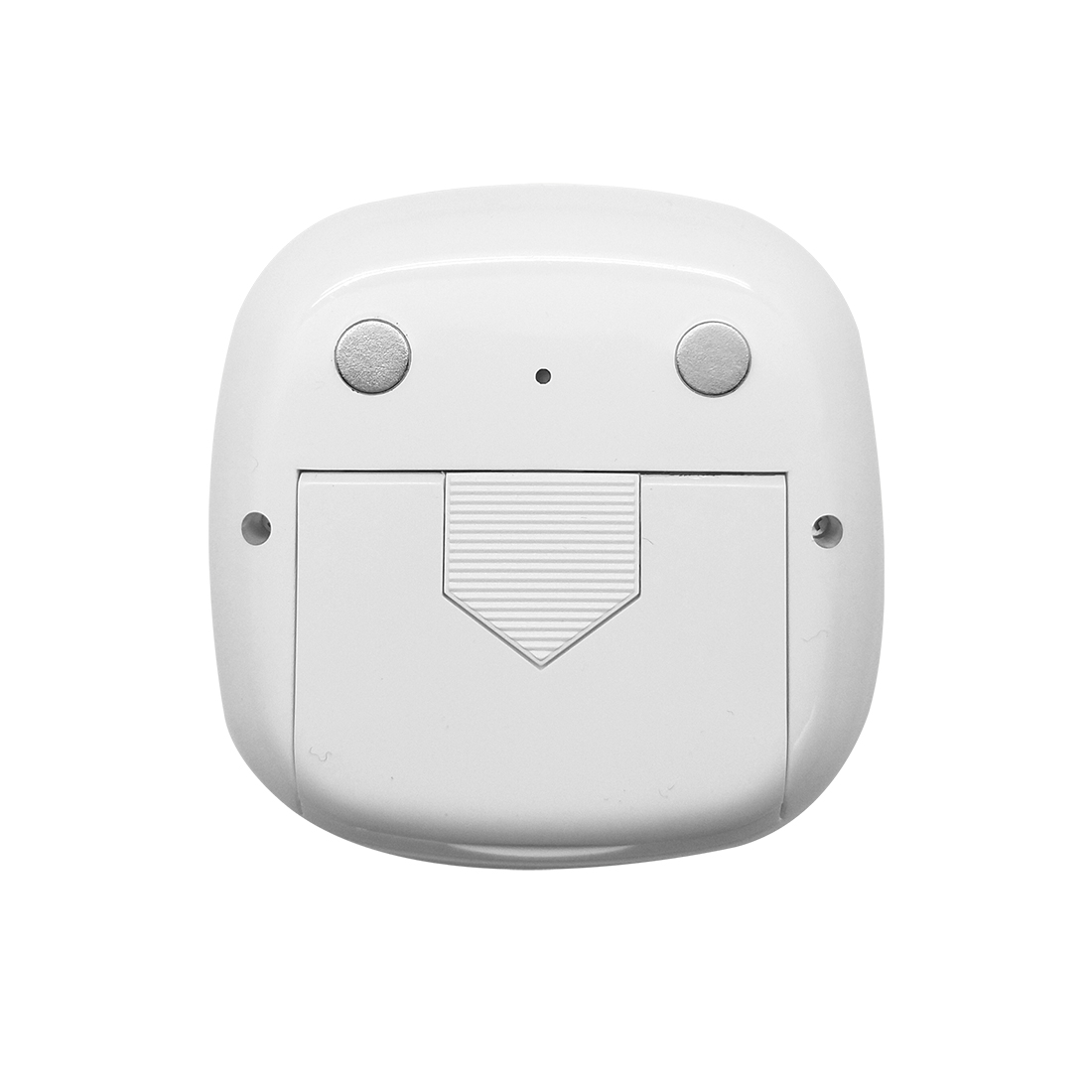
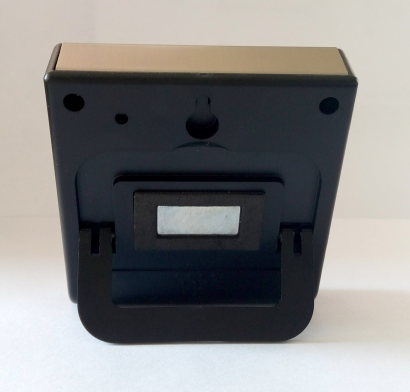
- Magnet Adhesion: Test the sheer strength of rear magnets; cheap adhesives will fail under the weight of the timer and battery.
- Mechanical Accuracy: Run mechanical timers through full 60-minute cycles to verify ring timing within a plus/minus 2-minute tolerance.
- Battery Drain (Digital): Measure standby current to ensure batteries will not drain prematurely while sitting in warehouse storage.
- Drop Testing: Drop units from 1 meter onto hard surfaces to check for housing cracks and internal component dislodgment.
When developing custom tooling for new designs, partnering with a supplier experienced in OEM/ODM services is critical. The factory must understand how housing acoustics affect the final alarm volume, especially when moving from a plastic prototype to a metal production unit.
Sourcing Mechanics: MOQs, Pricing, and Lead Times
Pricing for kitchen timers is highly sensitive to raw material costs (ABS plastic, copper, steel) and electronic component availability. Reliable factories will quote based on specific material grades rather than a generic product photo.
Before placing high-volume orders, conducting thorough factory audits is essential to verify that the supplier actually manufactures the internal components or has stable, long-term relationships with tier-two component suppliers. Many trading companies pose as manufacturers but lack control over the underlying PCB or mainspring quality.
Ready to negotiate better pricing and lower MOQs for your next volume order? We manage the entire sourcing and negotiation process directly with vetted factory management.
Get a free consultationBuyer FAQ
Successfully importing kitchen timers requires looking past the external housing and focusing on the internal mechanics that drive reliability. By specifying exact component standards and holding factories accountable through rigorous inspection, volume buyers can eliminate the defect rates that typically plague this category.
Get Sourcing Help for Kitchen Timers
Tell us your requirements and our experts will connect you with verified manufacturers.