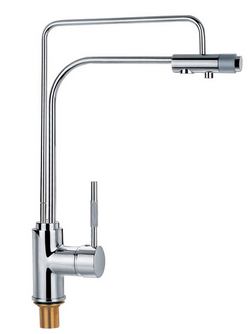
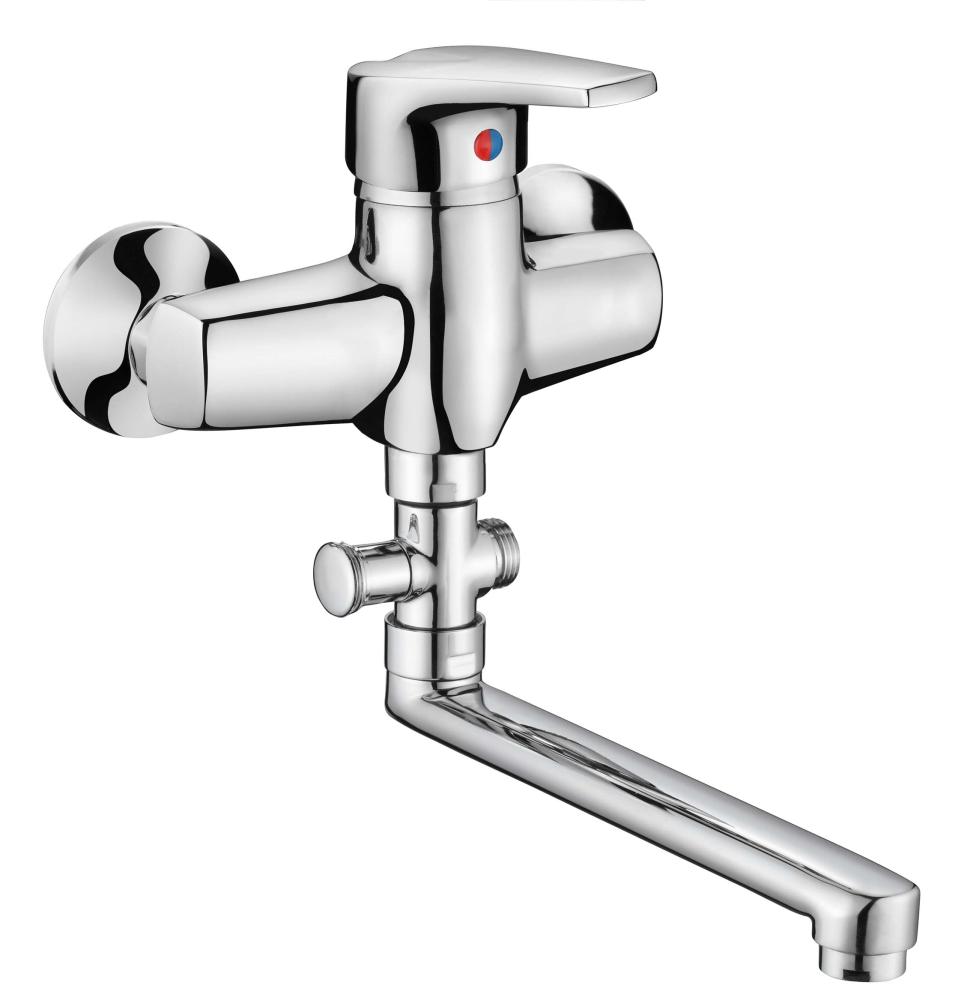
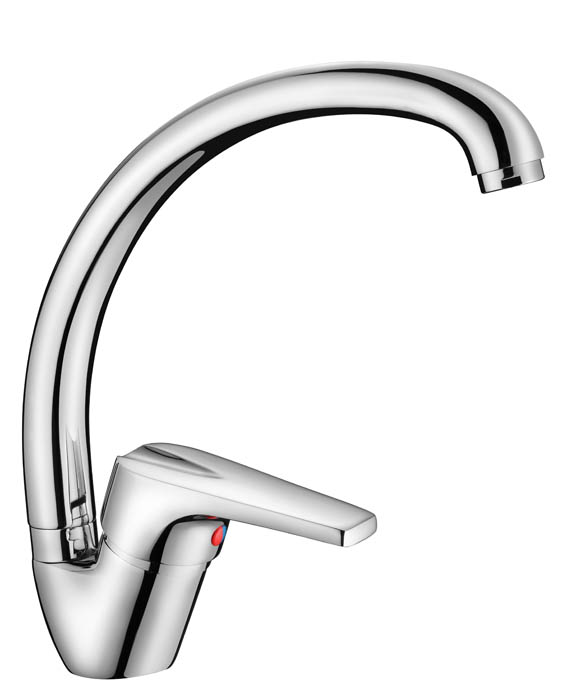
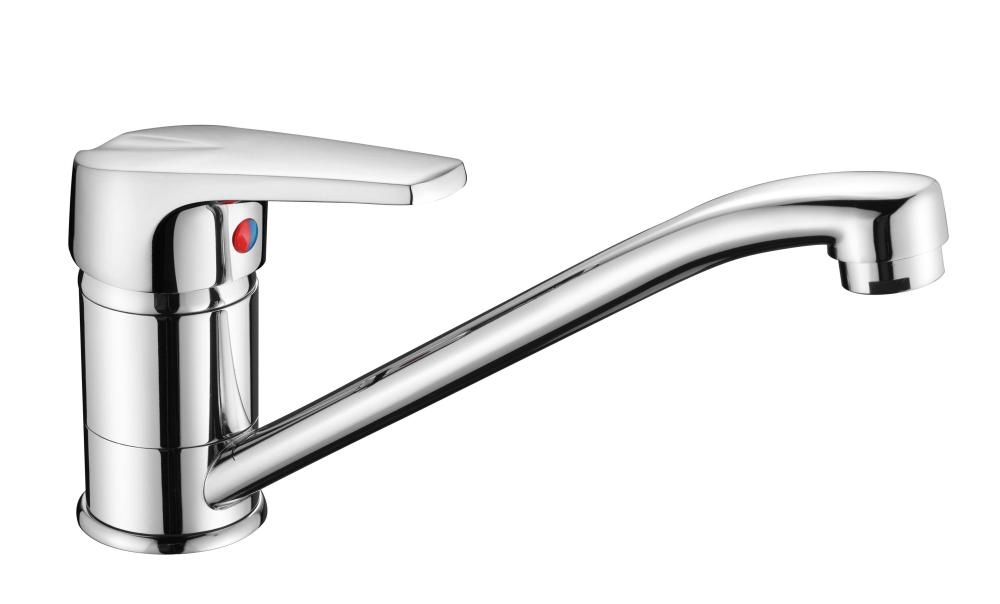
Kitchen Faucets
Source premium kitchen faucets from vetted manufacturers and wholesale suppliers across Asia. Built for commercial importers, wholesalers, distributors, and brands seeking reliable OEM and private-label production, our network delivers high-volume manufacturing with strict adherence to global plumbing standards.
Sourcing kitchen faucets at scale requires balancing aesthetic trends with stringent mechanical reliability and regulatory compliance. A faucet is a pressurized mechanical device that must operate flawlessly for hundreds of thousands of cycles while resisting corrosion and meeting strict heavy-metal leaching standards. For volume buyers, controlling the bill of materials—specifically the brass grade, cartridge origin, and plating thickness—is the difference between a profitable product line and a costly recall.
Core Materials and Component Specifications
The foundation of any high-quality kitchen faucet is its main body material and the internal valving. Specifying "brass" on a purchase order is insufficient; manufacturers will default to lower-grade alloys if exact standards are not enforced.
| Body Material | Corrosion Resistance | Manufacturing Cost | Typical Application |
|---|---|---|---|
| 59-1 Brass (HPb59-1) | High | Moderate to High | Standard premium residential |
| DZR Brass (Dezincification Resistant) | Very High | High | Commercial / High-mineral water regions |
| 304 / 316 Stainless Steel | Exceptional | High (Machining costs) | Modern residential / Lead-free compliance |
| Zinc Alloy | Low | Low | Budget markets / Handles and non-waterway parts only |
The Ceramic Cartridge
The cartridge is the engine of the faucet. Most reliable suppliers utilize ceramic disk cartridges. Rather than accepting a generic factory-standard cartridge, specify recognized component brands (such as Sedal, Citec, or Wanhai) in your OEM specifications. Ensure the cartridge is rated for at least 500,000 cycles and tested to withstand water hammer and pressure spikes up to 2.5 MPa.
Need help negotiating exact BOM specifications with Chinese sanitaryware factories? Our engineers can help you lock in the right components before production starts.
Talk to our sourcing teamManufacturing Process and Quality Control
Producing a high-end kitchen faucet involves casting, machining, polishing, and surface finishing. Each step introduces potential defects if the factory lacks rigorous process controls.
Gravity Die Casting
Unlike sand casting, which can leave microscopic air pockets (porosity), gravity casting ensures a dense, uniform brass body that will not leak under pressure over time.
CNC Machining
Precision machining is required for the cartridge housing and threading. Poor tolerances here lead to weeping leaks and stiff handle operation.
Surface Finishing
Electroplating (Chrome/Nickel) or PVD (Physical Vapor Deposition for matte black, gold, or brushed finishes). PVD offers superior scratch resistance but requires advanced factory capabilities.
Critical Inspection Points
When conducting Quality Control & Inspection, inspectors must verify both cosmetic perfection and mechanical integrity.
Pre-Shipment Inspection Requirements
- Air pressure testing (typically 0.6 to 0.8 MPa) on 100 percent of units to check for housing leaks.
- Water pressure testing on a statistical sample to verify flow rate and spray head functionality.
- Salt spray testing (CASS test, typically 24 to 48 hours) to verify electroplating durability and corrosion resistance.
- Cross-cut adhesion testing for painted or PVD finishes.
- Visual inspection under standardized lighting for polishing marks, pitting, or uneven plating.
If you are developing custom molds or proprietary designs, verifying the factory's in-house capabilities is critical. Many assembly factories outsource casting and plating. Comprehensive Factory Audits will reveal if the supplier actually controls the most critical stages of production.
Regulatory Compliance and Certifications
Plumbing fixtures face some of the strictest regulatory environments of any consumer product. Importing non-compliant faucets can result in customs seizures or severe liability.
- North America: Faucets must meet ASME A112.18.1/CSA B125.1 (often certified via cUPC). Additionally, they must comply with NSF/ANSI 61 and NSF/ANSI 372 for lead-free waterways (containing less than 0.25 percent weighted average lead).
- Europe & UK: Products generally require CE marking (EN 817 for mechanical mixers), and the UK specifically demands WRAS approval for any fitting connected to the public water supply.
- Australia: WaterMark certification and WELS (Water Efficiency Labeling and Standards) are mandatory.
Partnering with a sourcing team that understands Compliance & Testing ensures your products are sent to recognized third-party labs (like SGS, Intertek, or IAPMO) with the correct testing protocols before mass production begins.
Typical MOQs, Pricing, and Lead Times
The sanitaryware hubs in China (primarily Kaiping, Nan'an, and Wenzhou) operate on standard volume models.
Pricing is heavily indexed to the current spot price of brass or copper, the complexity of the casting, and the finish. Standard chrome finishes are the baseline, while brushed nickel, matte black (electroplated or PVD), and brushed gold will carry premiums ranging from 15 to 40 percent over chrome. When utilizing OEM/ODM Services, ensure your contract clearly outlines how raw material price fluctuations will be handled between POs.
Ready to optimize your supply chain for plumbing fixtures? Speak with our team to discuss factory vetting, pricing benchmarks, and quality assurance.
Get a free consultationFrequently Asked Questions
Successfully sourcing kitchen faucets in bulk means looking past the showroom finish and scrutinizing the raw materials and internal mechanics. By enforcing strict bill of materials requirements and implementing rigorous pre-shipment pressure testing, buyers can secure high-margin fixtures that perform flawlessly in the field. If you need boots on the ground to manage audits, compliance, and QC in Asia's sanitaryware hubs, our engineering and sourcing teams are ready to support your procurement operations.
Get Sourcing Help for Kitchen Faucets
Tell us your requirements and our experts will connect you with verified manufacturers.