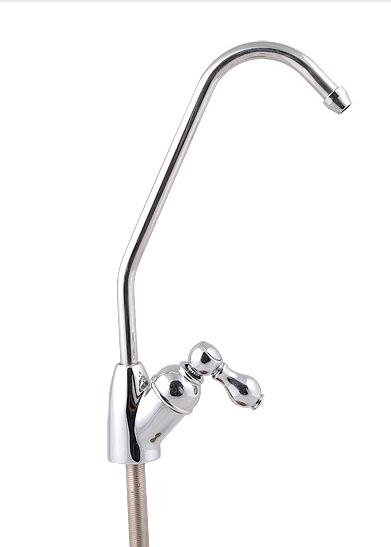
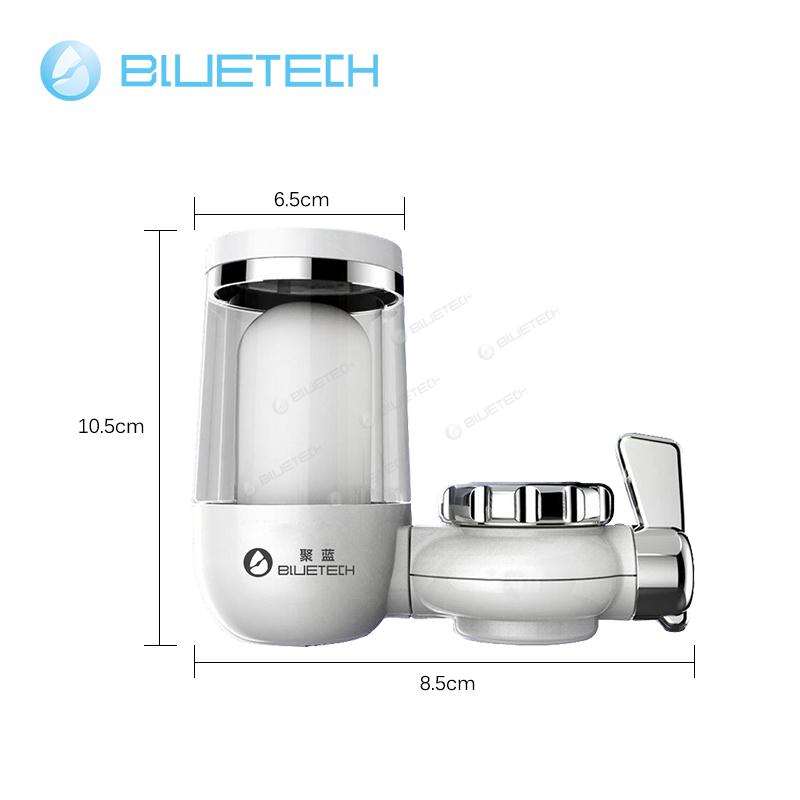
Kitchen Faucets
Source commercial-grade and residential kitchen faucets from vetted manufacturers and suppliers. Designed for importers, wholesalers, distributors, and brands seeking reliable OEM/ODM production, our network delivers bulk manufacturing with strict quality control and global compliance standards.
Sourcing kitchen faucets at scale requires balancing aesthetic trends with hidden mechanical reliability. While the exterior finish drives consumer appeal, the internal cartridge, waterway materials, and machining tolerances ultimately dictate your return rates and warranty claims. Succeeding in this category means looking past the showroom sample and interrogating the factory's casting, machining, and assembly processes.
Core Materials and Component Specifications
The foundation of any reliable kitchen faucet is its primary body material and the internal mixing valve. Specifying the right combination is critical for both market compliance and product longevity.
Body and Waterway Materials
The material dictates the manufacturing process, weight, and heavy-metal compliance of the faucet.
| Material | Corrosion Resistance | Manufacturing Method | Price Point |
|---|---|---|---|
| Standard Brass (HPb59-1) | Good | Gravity Casting | Mid-High |
| Low-Lead Brass (DZR) | Excellent | Gravity Casting | High |
| 304 Stainless Steel | Excellent | CNC Machining | Mid |
| Zinc Alloy | Poor (for waterways) | Die Casting | Low |
For North American and European markets, waterways must meet strict lead-free standards (under 0.25% weighted average lead content). Many manufacturers utilize standard brass for the main body but insert a PEX or copper inner waterway to achieve compliance without the cost of low-lead brass. If you are developing custom fixtures, utilizing OEM/ODM services allows you to specify exactly how the internal waterways are engineered to balance cost and compliance.
The Cartridge is the Engine
Do not accept generic ceramic cartridges for mid-to-high-end lines. Specify recognized cartridge brands (e.g., Sedal, Kerox, or Citec) in your Bill of Materials. A 35mm or 40mm ceramic disc cartridge from a reputable maker guarantees a lifespan of 500,000+ cycles and prevents the most common cause of faucet failure: dripping.
Manufacturing Processes and Finish Quality
The difference between a premium faucet and a budget alternative is often found in the finishing department.
Electroplating (for chrome and brushed nickel) requires multiple layers: typically copper, then nickel, then chrome. If the nickel layer is too thin, the faucet will fail standard salt spray tests. For matte black, brushed gold, or gunmetal finishes, Physical Vapor Deposition (PVD) is the industry standard for durability, offering significantly higher scratch and corrosion resistance compared to powder coating or basic electroplating.
Need to verify a factory's casting and plating capabilities? Let our sourcing experts audit their production lines before you place an order.
Talk to our teamCritical Factory-Floor Checks
When evaluating a manufacturer, their internal testing protocols are just as important as their assembly line. Relying on factory audits helps verify that the supplier actually performs these checks in-house rather than outsourcing them.
Essential In-Line Quality Checks
- Air pressure testing (typically 0.6–0.8 MPa) on 100% of assembled units to check for micro-leaks.
- Water pressure testing on a randomized batch to verify flow rate and cartridge performance.
- Acid Salt Spray (ASS) testing (minimum 24 to 48 hours) to verify electroplating thickness and adhesion.
- Torque testing on pull-down hoses and swivel spouts to ensure mechanical joints withstand daily abuse.
Implementing rigorous quality control & inspection prior to shipment is non-negotiable, particularly for complex pull-down models with retractable hoses and multi-function spray heads.
Compliance, MOQs, and Lead Times
Kitchen faucets are highly regulated in mature markets. North America requires cUPC and NSF/ANSI 61 & 372 (lead-free) certifications, alongside flow-rate restrictions (like California's CEC or EPA WaterSense). Europe requires CE, and specific countries have their own standards (WRAS for the UK, ACS for France).
Do not assume a factory's claim of "cUPC certified" applies to all their models. Certifications are model-specific. If you are modifying a design, you will likely need independent compliance & testing to certify your specific SKUs.
Typical Sourcing Parameters
Navigating certifications, MOQs, and quality control can drain your team's bandwidth. Partner with us to streamline your plumbing fixture supply chain from factory floor to final delivery.
Get a free consultationFrequently Asked Questions
Sourcing reliable kitchen faucets requires tight control over raw materials, machining precision, and finishing chemistry. By dictating component-level specifications and enforcing strict testing standards on the factory floor, buyers can secure high-margin fixtures that perform flawlessly in the field.
Get Sourcing Help for Kitchen Faucets
Tell us your requirements and our experts will connect you with verified manufacturers.