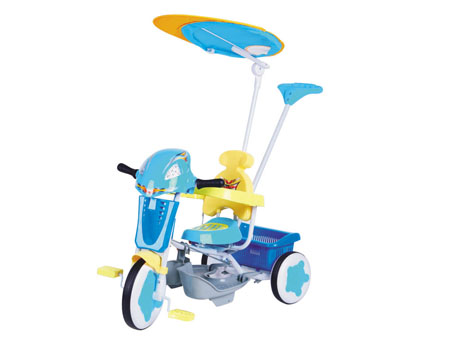
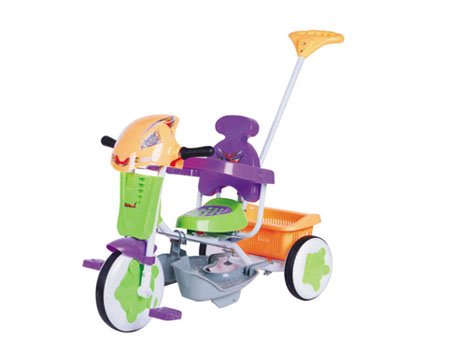
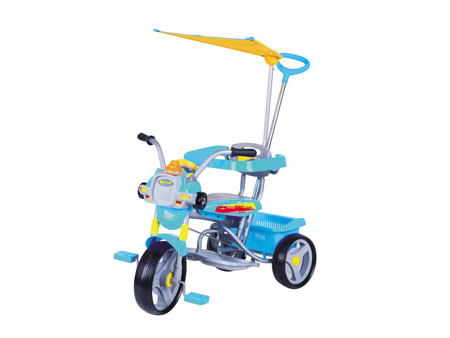
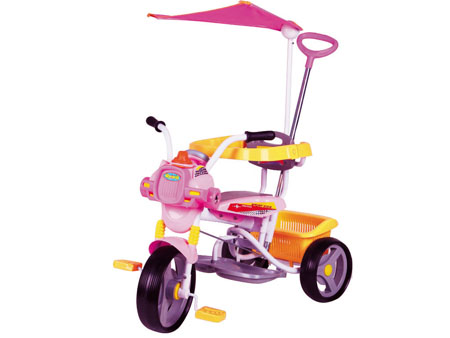
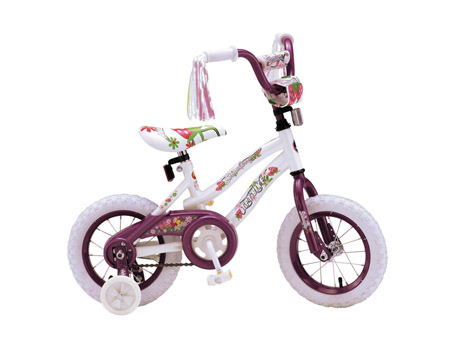
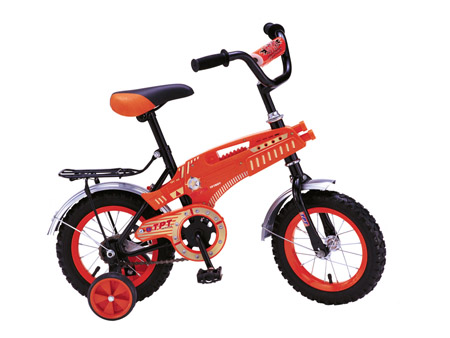
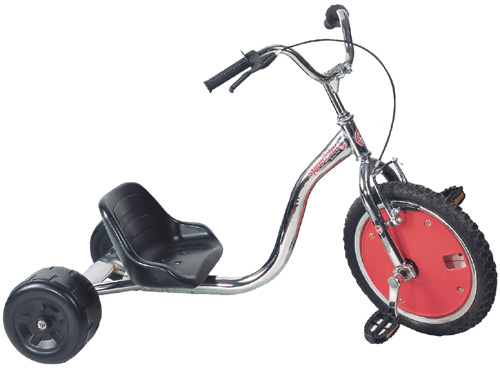
Kids' Tricycles
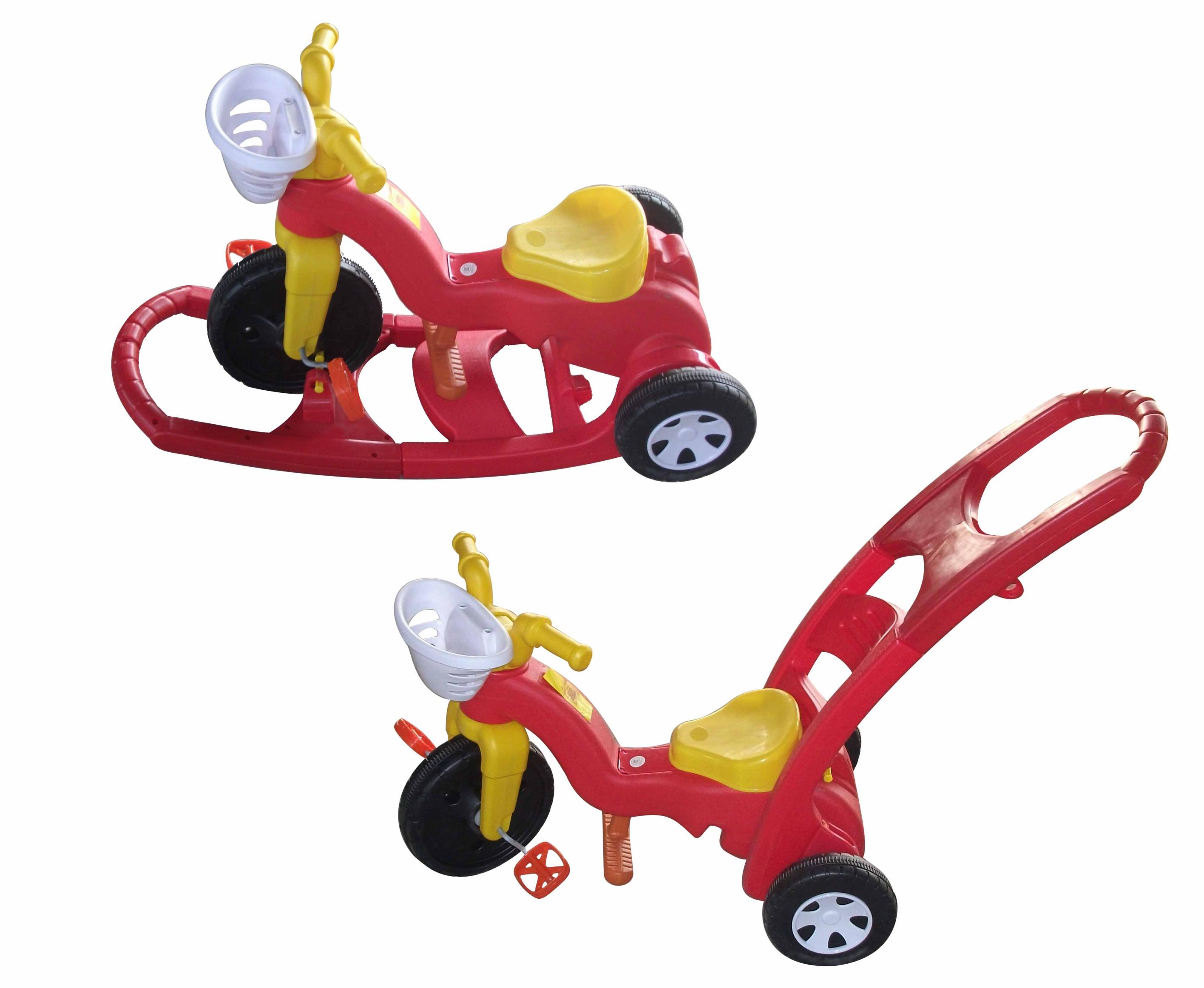
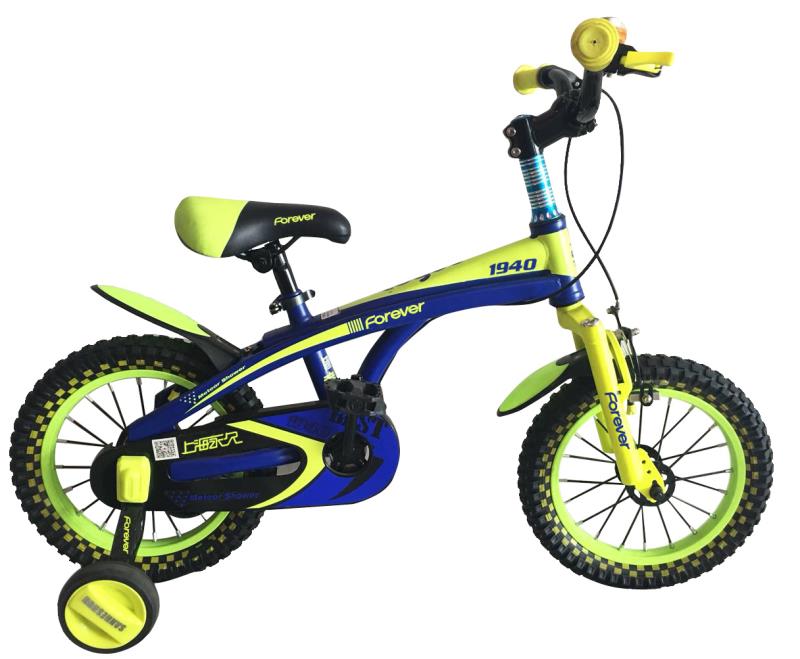
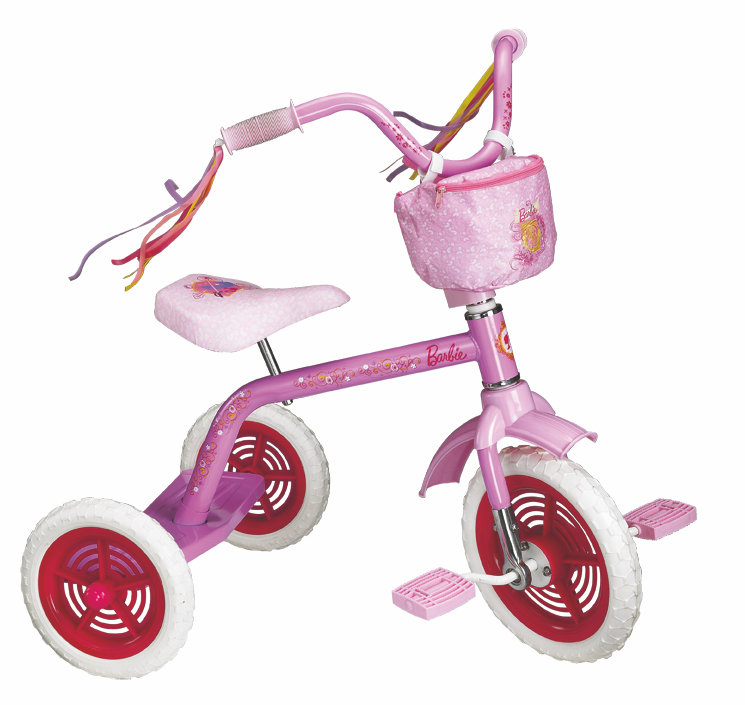
Source high-quality Kids' Tricycles from vetted suppliers and manufacturers. Designed for importers, wholesalers, distributors, and brands seeking reliable OEM/ODM production, our catalog features durable, fully compliant models ready for bulk orders and private labeling.
Sourcing kids' tricycles at scale requires balancing structural durability with rigorous international safety standards. Whether you are procuring entry-level models or premium multi-stage push trikes, the core challenge lies in managing material tolerances, weld integrity, and strict chemical compliance for plastics and paints.
Frame Materials and Component Specifications
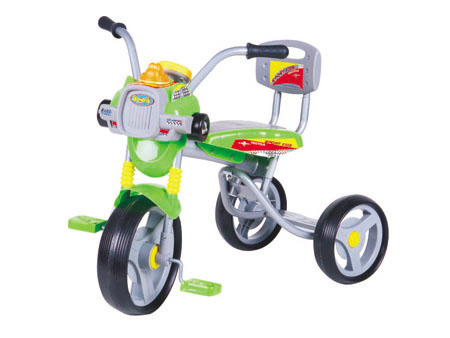
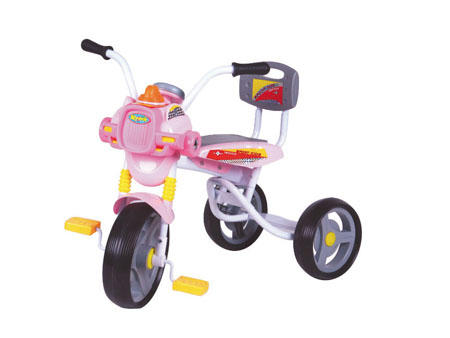
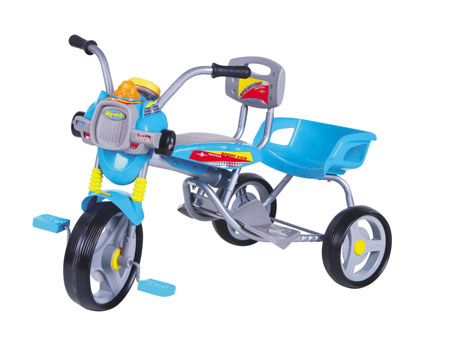
The foundation of any tricycle is its frame and wheel assembly. Most factory-standard frames are constructed from high-carbon steel tubing (typically 1.0mm to 1.2mm wall thickness) to provide rigidity while keeping costs manageable. Premium or lightweight models often utilize aluminum alloy, which commands a higher unit price but offers superior rust resistance and a lower shipping weight.
Wheel materials significantly impact both the production cost and the end-user experience.
| Tire Material | Cost Impact | Performance Profile |
|---|---|---|
| EVA Foam | Low | Puncture-proof, lightweight, lower traction |
| Pneumatic Rubber | High | Excellent shock absorption, requires inflation |
| PU (Polyurethane) | Medium-High | Durable, quiet ride, highly wear-resistant |
Beyond the frame and tires, pay close attention to the injection-molded plastics used for seats, pedals, and grips. Virgin PP (Polypropylene) or ABS should be specified to prevent brittleness, especially in markets with extreme temperature variations.
Manufacturing Tolerances and Quality Control
Tricycle manufacturing is highly dependent on manual or semi-automated welding and assembly. Cold welds or excessive spatter at the main frame junctions are common issues when sourcing from lower-tier factories. Furthermore, finishing processes like powder coating must be applied evenly and baked at the correct temperature to prevent flaking and early corrosion.
Implementing strict Quality Control & Inspection protocols before the goods leave the factory floor is non-negotiable.
Critical Factory-Level Quality Checks
- Weld integrity at the main frame junction and rear axle (no cold welds or spatter).
- Absence of sharp edges, burrs, or plastic flashing on injection-molded components.
- Axle alignment to ensure straight tracking without wheel wobble.
- Cross-hatch adhesion testing on powder-coated frames to verify finish durability.
- Torque testing on pre-assembled bolts and fasteners.
Struggling with inconsistent factory quality? Let Merhein manage your supplier vetting and on-site inspections to ensure every shipment meets your exact specifications.
Talk to our teamSafety Standards and Compliance
Children's ride-on toys are heavily regulated. Importers must ensure that the factory can provide valid, verifiable test reports for the specific materials used in your production run. Relying on outdated or generic factory certificates is a major compliance risk.
Key standards include EN71 (Europe) and ASTM F963 (United States). Additionally, strict limits on heavy metals and phthalates (such as CPSIA in the US and REACH in the EU) apply to all paints, grips, and plastic components. If you are customizing colors or materials, you will likely need independent Compliance & Testing to verify the new batch.
Production Economics: MOQ, Pricing, and Lead Times
When engaging factories for kids' tricycles, pricing is heavily influenced by your packaging requirements and order volume. Most tricycles are shipped SKD (Semi-Knocked Down) at 85 percent assembly to optimize container space while keeping end-user assembly manageable. Fully knocked down (CKD) packing maximizes container density but transfers the assembly burden entirely to the consumer, which can increase return rates.
If you are developing a custom frame or specialized features, OEM/ODM Services will require upfront tooling costs for plastic injection molds and metal bending jigs.
Ready to scale your ride-on toy procurement? We negotiate pricing, manage MOQs, and oversee the entire production schedule on your behalf.
Get a free consultationFrequently Asked Questions
Optimizing your tricycle supply chain means finding the right balance between container density, material durability, and strict safety compliance. By verifying Factory Audits and maintaining rigorous in-line inspections, volume buyers can secure reliable, high-margin products without the risk of costly recalls or shipment delays.
Get Sourcing Help for Kids' Tricycles
Tell us your requirements and our experts will connect you with verified manufacturers.