Kids' Balance Bikes
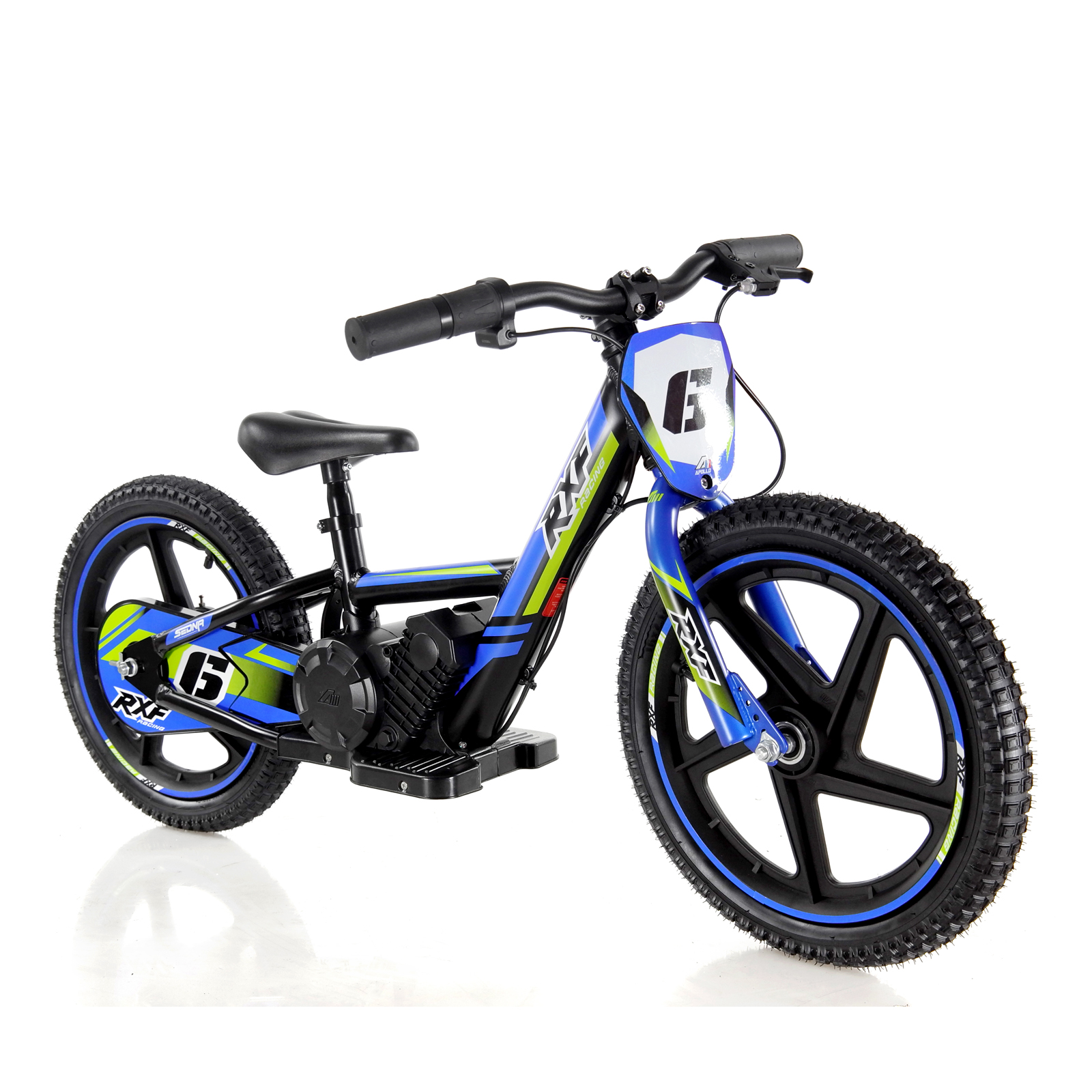
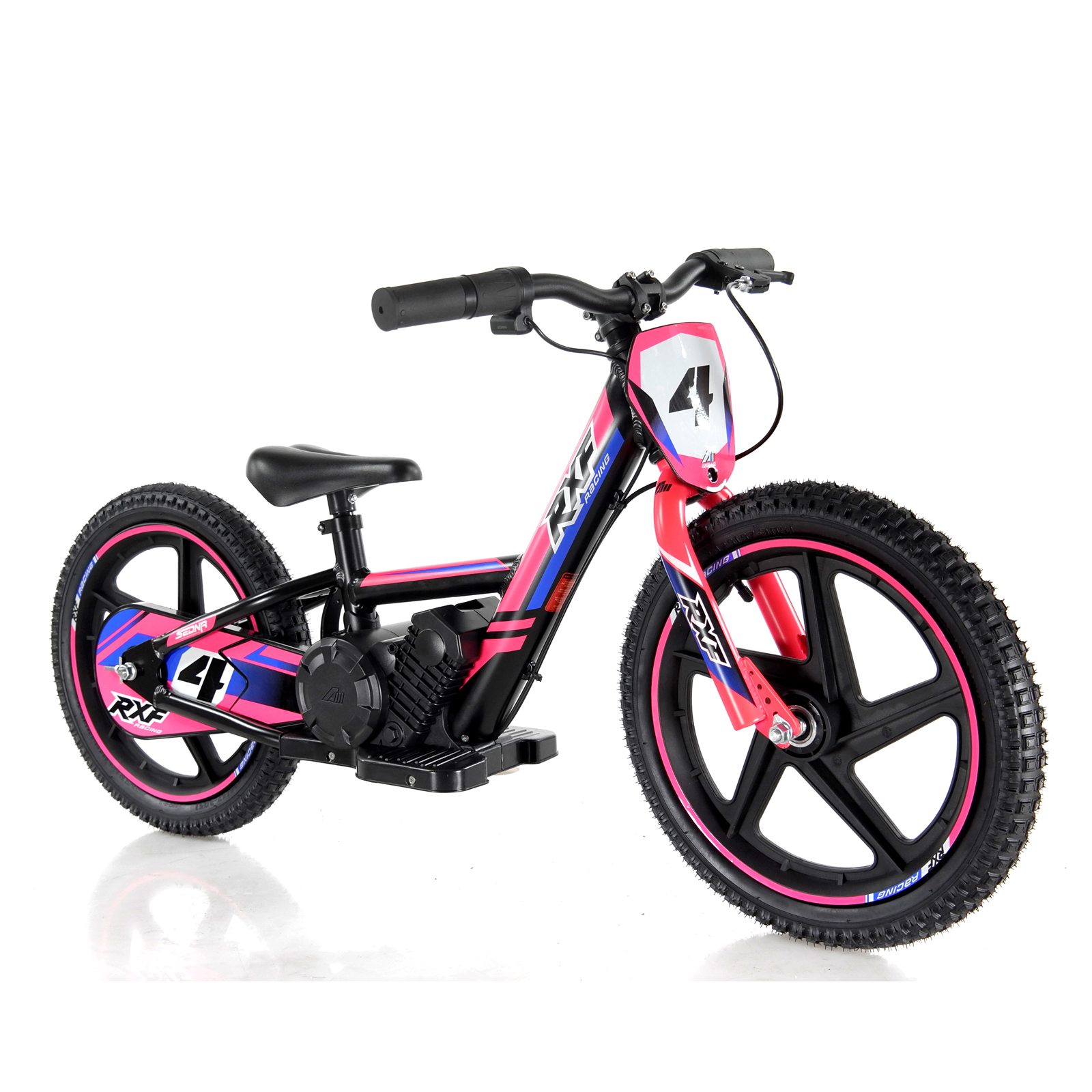
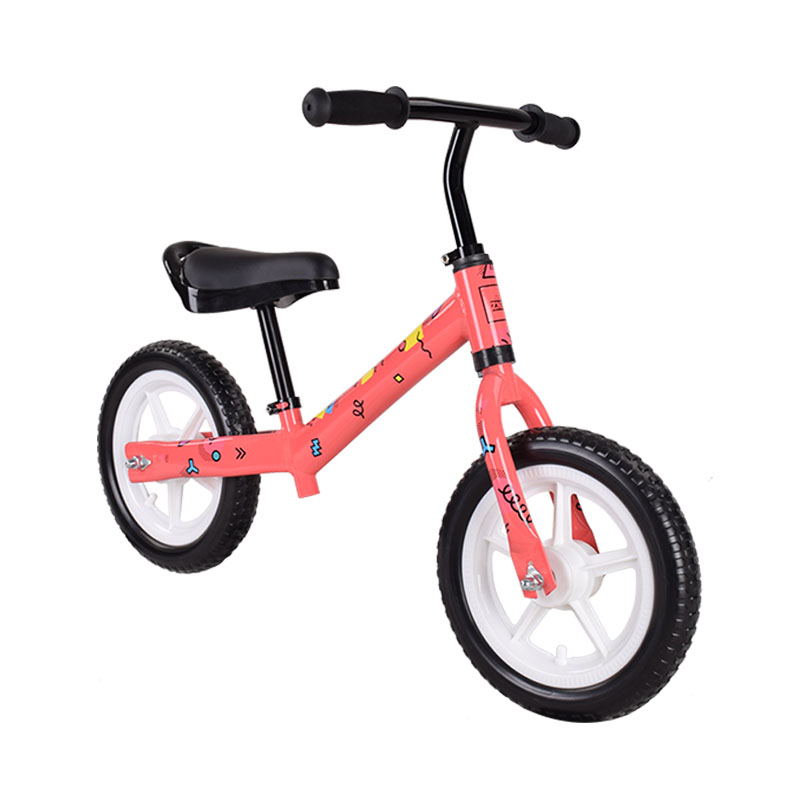
Source premium kids' balance bikes directly from vetted manufacturers and wholesale suppliers in Asia. Designed for importers, wholesale distributors, and brands seeking reliable OEM and private-label production, our network delivers compliant, high-margin ride-on toys built to your exact specifications and volume requirements.
Sourcing kids' balance bikes in volume requires a delicate balance between structural integrity, product weight, and strict child safety compliance. The core challenge for importers isn't simply finding a factory with available capacity—it is identifying a manufacturing partner capable of consistent weld quality, non-toxic finishing, and strict adherence to international toy safety directives without eroding your profit margins.
Defining Balance Bike Specifications
The materials and components you specify directly dictate the product's market positioning, shipping weight, and unit cost. Professional buyers must clearly define frame materials, tire composition, and bearing grades before soliciting quotations.
Frame Materials & Construction
Frame material is the primary driver of both cost and rider experience. While entry-level markets tolerate heavier materials, premium brands increasingly demand ultra-lightweight alloys.
| Material | Weight Profile | Cost Impact | Market Positioning |
|---|---|---|---|
| Carbon Steel | Heavy (approx. 3.5 - 4.5kg) | Low | Entry-level retail & mass market |
| Aluminum Alloy | Lightweight (approx. 2.5 - 3.0kg) | Medium | Mid-tier to premium brands |
| Magnesium Alloy | Ultra-light (under 2.5kg) | High | High-end performance & specialty |
| Plywood / Wood | Variable (often 3.0kg+) | Medium-High | Eco-friendly & boutique retail |
Tire and Bearing Selection
Tire specification is a major cost variable. EVA foam tires are puncture-proof, maintenance-free, and cost-effective, making them the standard for indoor or entry-level models. Pneumatic (air-filled) rubber tires offer superior traction and shock absorption for outdoor use but add significant cost and weight. For the wheel hubs, specifying sealed ABEC-5 or ABEC-7 bearings is critical; unsealed bearings degrade rapidly when exposed to dirt and moisture, leading to high return rates.
Balancing component costs with performance requirements can be complex. Let our sourcing engineers help you optimize your bill of materials for your target market.
Talk to our teamManufacturing Quality and Safety Compliance
Ride-on toys face some of the strictest regulatory scrutiny in the world. Failing to verify a factory's compliance capabilities before production can result in customs seizures or costly recalls.
Critical Safety Standards
Depending on your target market, balance bikes must pass rigorous third-party testing. Manufacturers must provide valid test reports, but buyers should always independently verify compliance through rigorous Compliance & Testing protocols.
- North America: ASTM F963 (Physical and mechanical testing) and CPSIA (Lead and phthalate limits in surface coatings and accessible substrates).
- Europe: EN71 (Parts 1, 2, and 3 covering mechanical, flammability, and heavy metal migration) and REACH directives.
- Australia/New Zealand: AS/NZS ISO 8124.
Factory Floor Quality Control
Quality is won or lost during fabrication and finishing. When assessing a supplier or conducting Factory Audits, pay close attention to their in-house quality management systems.
Key Inspection Points for Balance Bikes
- Weld Integrity: Inspect TIG/MIG welds for porosity, undercutting, or sharp slag that could cause injury.
- Frame Alignment: Ensure the head tube and rear dropouts are perfectly aligned to prevent steering bias.
- Surface Finish Adhesion: Test paint or anodized layers for flaking, ensuring all coatings are strictly non-toxic.
- Hardware Safety: Verify that all axles, bolts, and clamps use acorn nuts or recessed fittings to eliminate sharp protrusions.
- Handlebar Grips: Ensure grips feature flared ends for impact protection and are securely bonded to prevent removal and choking hazards.
OEM/ODM Customization and Branding
For brands looking to differentiate, OEM/ODM Services offer pathways from simple private labeling to entirely custom frame geometries.
Private labeling an existing "off-the-shelf" factory mold (ODM) requires lower MOQs and zero tooling costs. You can customize the paint colors (using precise Pantone matching), water-transfer decals, saddle embroidery, and retail packaging. Developing a custom frame (OEM) requires investing in new tooling (tube bending jigs or die-casting molds for magnesium), which increases upfront costs and lead times but provides exclusive market IP.
Pricing, MOQs, and Lead Times
Understanding the realistic procurement landscape helps in planning your cash flow and inventory cycles. Costs fluctuate based on raw material indexes (especially for aluminum and steel) and seasonal demand.
Note: Custom OEM projects requiring new tooling typically add 20 to 30 days to the initial lead time for mold development and first-article approval.
To protect your investment, implementing strict Quality Control & Inspection prior to container loading is non-negotiable. Catching a batch of misaligned frames or non-compliant paint before it leaves the port saves immense capital and reputational damage.
Need to lock in production capacity before the peak seasonal rush? Speak with our experts to secure reliable manufacturing and transparent pricing.
Get a free consultationFrequently Asked Questions
Successful volume sourcing of kids' balance bikes requires moving beyond unit price comparisons. By prioritizing structural integrity, rigorous chemical compliance, and reliable factory oversight, you protect your brand from liabilities while delivering a product parents trust. Partnering with experienced sourcing professionals ensures your specifications are met exactly as designed, from the factory floor to your warehouse.
Get Sourcing Help for Kids' Balance Bikes
Tell us your requirements and our experts will connect you with verified manufacturers.