Kerosene Heaters
Source high-efficiency kerosene heaters from vetted manufacturers and suppliers. Designed for importers, wholesalers, and brands seeking reliable OEM production, our bulk sourcing solutions ensure rigorous quality control and compliance for demanding markets.
Sourcing kerosene heaters requires navigating a complex intersection of combustion efficiency, mechanical safety, and strict regional regulatory standards. Unlike inert consumer goods, combustion appliances carry inherent risks that demand flawless manufacturing execution. For procurement teams, the challenge lies in identifying factories capable of consistent precision in metal fabrication, valve assembly, and safety sensor integration, while maintaining competitive unit costs.
Core Specifications and Heating Mechanisms
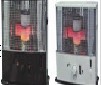
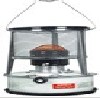
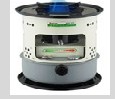
When evaluating suppliers, the technical specifications you dictate will determine the target market and the necessary manufacturing capabilities. Kerosene heaters generally fall into two primary mechanical categories, each requiring different factory tooling and assembly lines.
| Specification | Convection (Wick) Heaters | Forced Air Heaters |
|---|---|---|
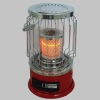
| Heating Mechanism | Radiant and natural convection | Fan-forced hot air |
| Power Requirement | None (fully off-grid) | Electricity required for fan and ignition |
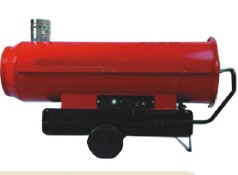
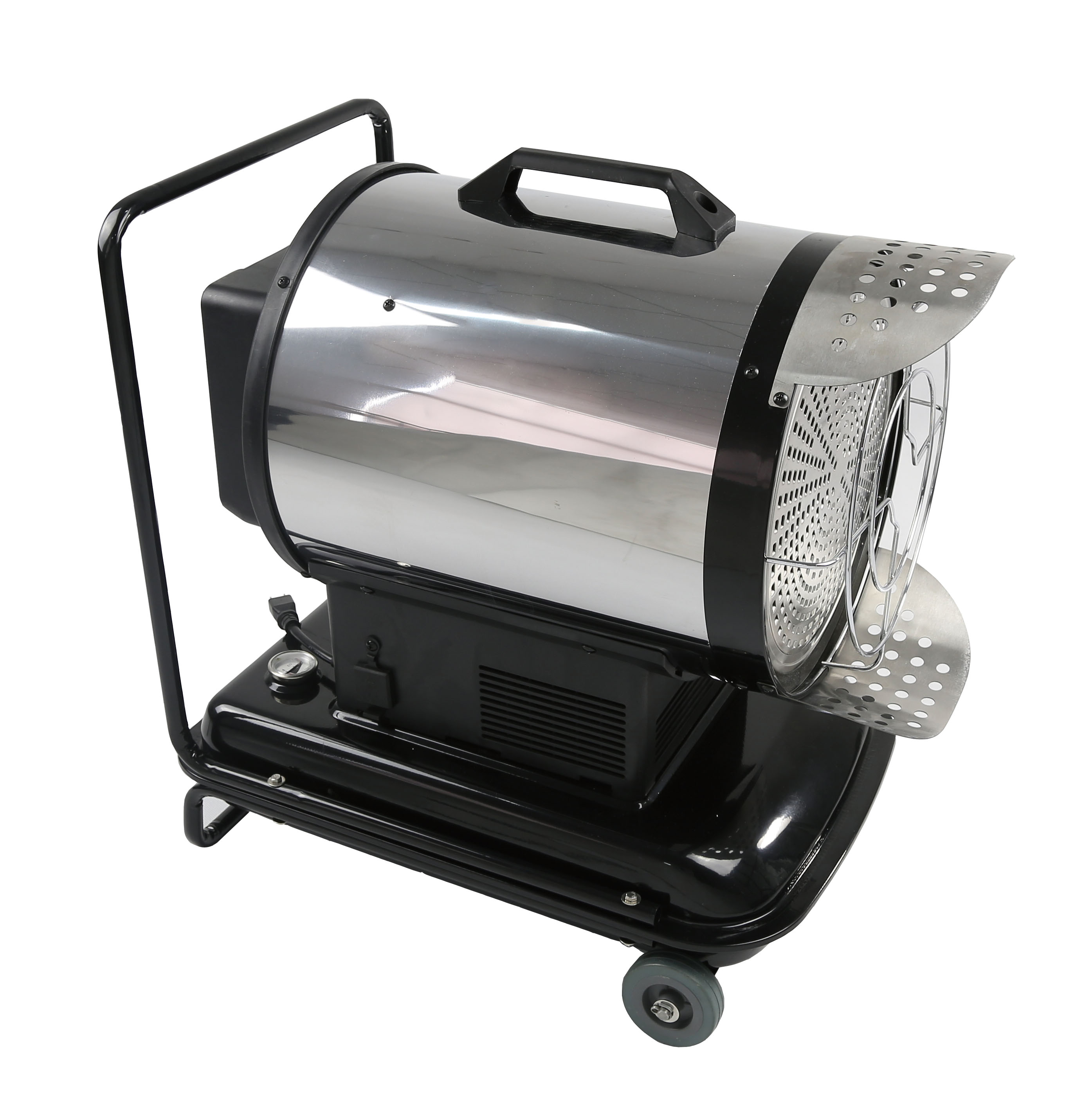
| Typical Output | 10,000 to 23,000 BTU | 30,000 to 150,000+ BTU |
| Primary Application | Indoor residential, emergency | Garages, construction sites, warehouses |
For convection units, the quality of the fiberglass or cotton wick is paramount for clean burning and odor reduction. For forced-air units, the focus shifts to the durability of the fuel pump, the efficiency of the air compressor, and the reliability of the electronic ignition system.
Need help identifying manufacturers with the right technical capabilities for your target market?
Talk to our teamManufacturing Tolerances and Quality Control
The manufacturing floor is where the reliability of a kerosene heater is determined. Minor deviations in stamping or welding can lead to catastrophic failures, such as fuel leaks or improper combustion. Relying solely on final product inspections is risky; robust quality control & inspection must be integrated throughout the production cycle.
Pay close attention to how the factory handles the fuel tank assembly. Drawn steel tanks with double-seamed and brazed edges offer superior leak resistance compared to single-welded alternatives. Furthermore, the integration of safety mechanisms—specifically the automatic shut-off (tip-over) switch—must be calibrated to trigger at precise angles.
Critical Factory-Level Inspection Points
- Tank seam pressure testing to verify zero fuel leakage under stress.
- Tip-over switch calibration (must extinguish the flame immediately upon tilting).
- Wick alignment and retraction mechanism durability cycling.
- Igniter coil resistance and battery contact reliability.
- Emissions testing to ensure carbon monoxide output remains well under regulatory thresholds.
If you are developing a custom design or modifying an existing chassis, utilizing OEM/ODM services requires clear documentation of these safety tolerances before tooling begins.
Regulatory Compliance and Certifications
Kerosene heaters are heavily regulated. Depending on your import destination, the required certifications dictate which factories you can work with. In the US, UL or ETL listings are non-negotiable for commercial viability. In Europe, CE marking and adherence to specific emissions directives (like RoHS for electronic components in forced-air units) are mandatory.
Verifying a supplier's certification claims is a critical step. Many factories claim to hold specific certifications, but these may apply to different product lines or be outdated. Conducting thorough factory audits ensures the supplier possesses the necessary testing equipment on-site and maintains valid compliance documentation for your exact models.
Typical MOQ, Pricing, and Lead Times
Production economics for kerosene heaters are driven by the cost of raw materials (primarily steel and copper) and the complexity of the safety mechanisms. Because these units require significant assembly space and rigorous end-of-line testing, production lead times are generally longer than simpler appliances.
When negotiating pricing, clarify exactly what is included. Does the FOB price include the required drop-test packaging? Does it account for spare parts (like extra wicks or igniters) typically requested by distributors?
Optimize your procurement strategy with accurate pricing and vetted supplier data.
Get a free consultationFrequently Asked Questions
Successfully sourcing kerosene heaters at scale is an exercise in risk management and technical oversight. By focusing on factory capabilities, stringent quality control protocols, and verified compliance, procurement teams can secure reliable inventory that meets the rigorous demands of their end users. Ensure your supply chain strategy prioritizes safety and consistency over the lowest possible unit cost.
Get Sourcing Help for Kerosene Heaters
Tell us your requirements and our experts will connect you with verified manufacturers.