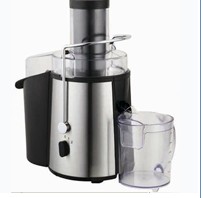
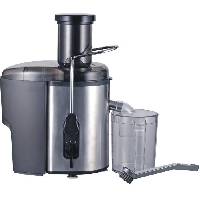
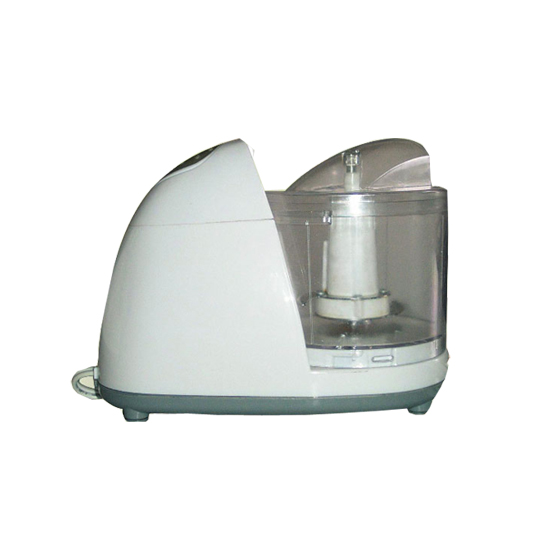
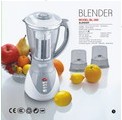
Juicers
Source high-quality juicers directly from vetted manufacturers and wholesale suppliers. Designed for importers, distributors, and appliance brands seeking reliable OEM and private-label production, our network delivers competitive pricing and strict quality standards for your bulk orders.
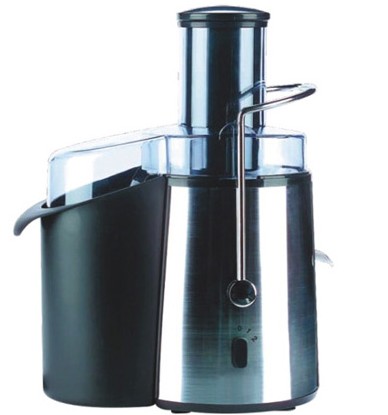
Sourcing juicers at volume requires navigating a complex matrix of motor specifications, food-grade material certifications, and assembly tolerances. Whether you are importing high-speed centrifugal models or low-RPM masticating units, the difference between a high-return rate and a profitable product line lies in the internal components—specifically motor winding quality, thermal protection, and the durability of the extraction mechanisms.
Core Specifications: Motors and Materials
The heart of any juicer is its motor. Centrifugal juicers typically rely on high-speed AC universal motors (running at 10,000 to 20,000 RPM), while slow juicers utilize high-torque DC motors (running at 40 to 80 RPM) through a reduction gearbox. Specifying the right motor and matching it with durable food-contact materials is critical.
| Component / Spec | Centrifugal Juicers | Masticating (Slow) Juicers |
|---|---|---|
| Motor Type | AC Universal Motor | DC Motor or Induction Motor |
| Operating Speed | 10,000 - 20,000 RPM | 40 - 80 RPM |
| Primary Challenge | Vibration and heat dissipation | Torque management and gearbox durability |
| Extraction Component | SUS304 Stainless Steel micro-mesh filter | Ultem, Tritan, or PMMA auger |
When negotiating with factories, explicitly define the motor winding material. Lower-cost suppliers often substitute pure copper wire with Copper-Clad Aluminum (CCA). While CCA reduces costs, it runs hotter and has a significantly shorter lifespan under load. Always specify 100% pure copper windings and require a built-in thermal fuse (typically rated at 105°C to 125°C) to prevent catastrophic motor failure during heavy use.
Need help verifying factory capabilities and component quality? Our engineering team can help you lock in the right specifications.
Discuss your product specsManufacturing Quality and Factory Vetting
Juicer assembly involves precise alignment of the motor shaft, cutting blades or augers, and the housing. Misalignment by even a fraction of a millimeter can lead to excessive vibration, noise, and premature wear of the bearings or silicone seals.
A reliable supplier should have rigorous in-house testing protocols. When conducting Factory Audits, evaluate their motor testing lab and injection molding capabilities.
Critical QC Checks for Juicers
- Motor load testing: Verifying wattage draw under load (e.g., juicing hard carrots) does not exceed safety thresholds.
- Juice yield efficiency: Measuring the weight of extracted juice versus residual pomace to ensure extraction meets standard benchmarks.
- Seal integrity: Checking silicone gaskets around the juice bowl and drive shaft to prevent liquid ingress into the motor housing.
- Drop testing: Ensuring the PC, AS, or Tritan plastic bowls can withstand standard drop impacts without cracking.
- Hipot and Ground continuity testing: Mandatory electrical safety checks for all units before packaging.
Because juicers process acidic fruits and vegetables, all food-contact parts must pass strict regional migration tests (such as FDA standards in the US or LFGB in Europe). Partnering with an experienced team for Compliance & Testing ensures your materials won't fail customs inspections or retail safety audits.
OEM/ODM Customization
For brands looking to differentiate, factories offer varying levels of customization. Off-the-shelf ODM models can be easily customized with specific injection-molded colors, localized power cords, and branded packaging. If you are developing a unique extraction mechanism or a proprietary form factor, you will need a factory with strong internal R&D and tooling capabilities. Utilizing professional OEM/ODM Services helps bridge the gap between your industrial design and the factory's production realities, ensuring tooling costs and lead times remain under control.
Pricing, MOQs, and Lead Times
Procurement costs for juicers are heavily influenced by the motor type, housing material (plastic vs. stainless steel clad), and the certification requirements of your target market.
Ready to price out your next juicer order? Speak to our team to get accurate landed costs from vetted manufacturers.
Get a sourcing quoteFrequently Asked Questions
Sourcing juicers successfully means balancing motor longevity, extraction efficiency, and strict food-safety compliance. By locking down your component specifications early and enforcing rigorous quality checks on the assembly line, you can import reliable appliances that build your brand's reputation. If you need boots on the ground to manage Quality Control & Inspection or negotiate with top-tier factories, our team is ready to support your procurement strategy.
Get Sourcing Help for Juicers
Tell us your requirements and our experts will connect you with verified manufacturers.