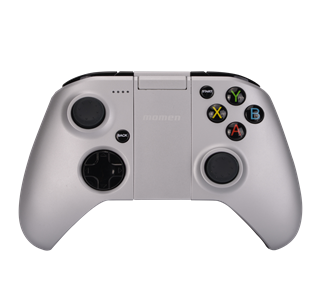
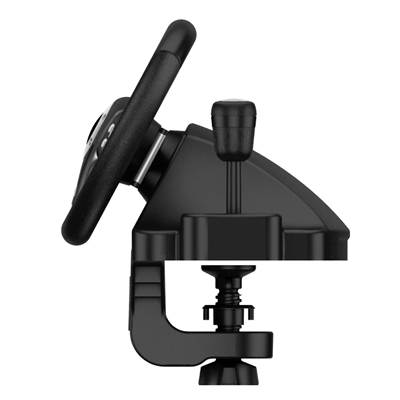
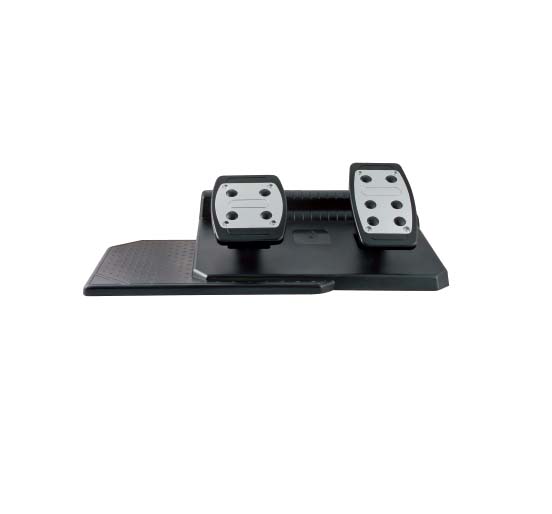
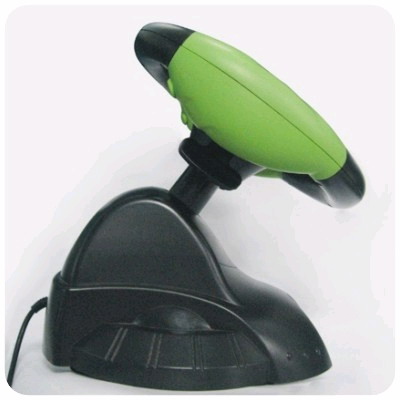
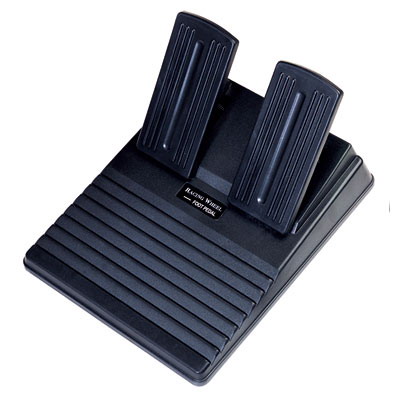
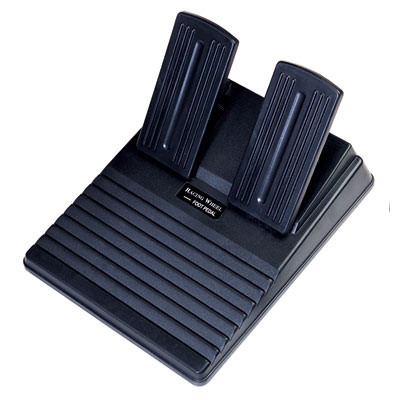
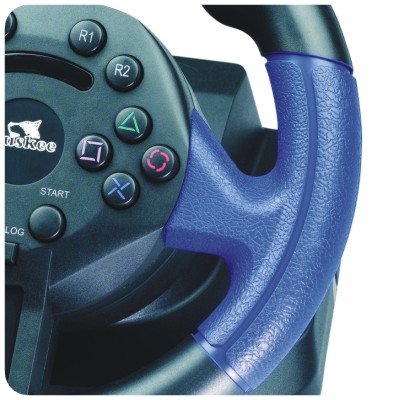
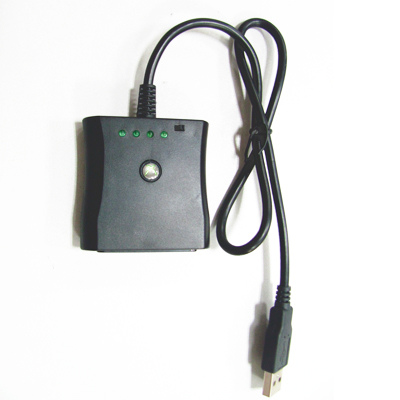
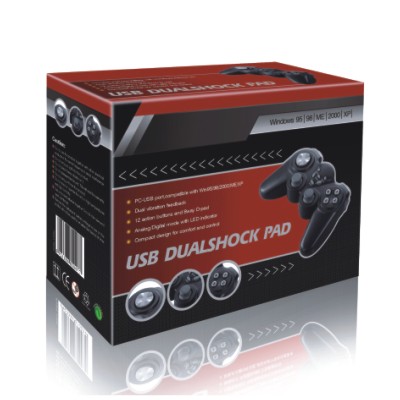
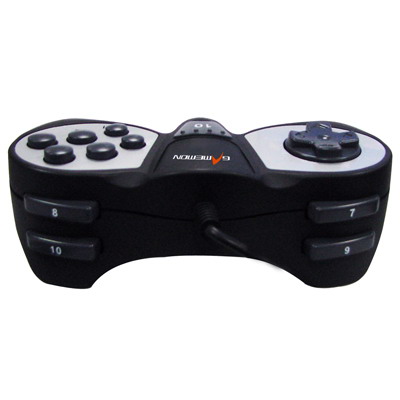
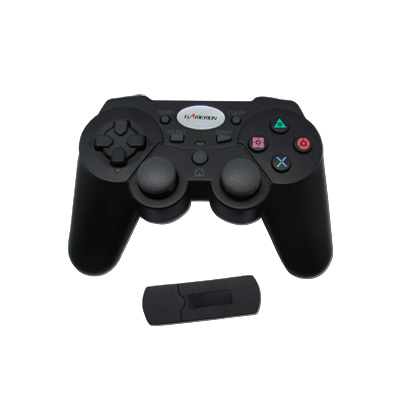
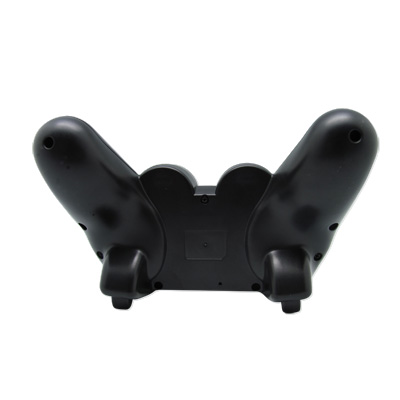
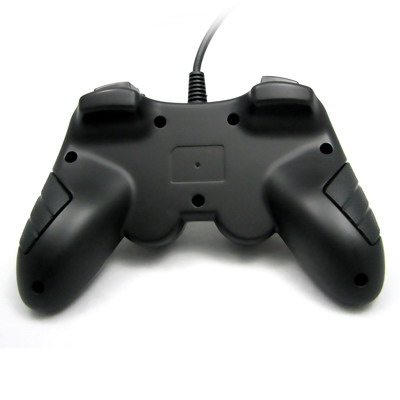
Joysticks & Game Controllers
Source high-quality Joysticks & Game Controllers directly from vetted suppliers and manufacturers in Asia. This catalog is built for importers, wholesalers, distributors, and consumer electronics brands looking for reliable bulk purchasing or custom OEM/private-label production to scale their gaming accessory lines.
Sourcing game controllers requires balancing strict Bill of Materials (BOM) costs with end-user demands for low latency, ergonomic durability, and mechanical precision. The difference between a premium controller and a high-return-rate liability usually comes down to the quality of the analog sticks, the PCB layout, and the wireless integrated circuit (IC).
Core Components and Technical Specifications
When negotiating with a manufacturer, specifying the exact components is critical. Factories will default to the cheapest available parts unless you define the standard.
- Analog Sticks (Sensors): The industry standard relies on carbon film potentiometers (often ALPS or similar clones). However, premium and esports-focused controllers are shifting to Hall Effect sensors, which use magnets to detect position, eliminating physical wear and the dreaded "stick drift."
- Wireless Connectivity ICs: For Bluetooth and 2.4GHz models, the choice of chipset dictates latency and connection stability. Nordic Semiconductor, Realtek, and Broadcom are common. Specify the exact Bluetooth version (e.g., 5.0 or 5.2) and acceptable latency parameters (typically under 10ms for 2.4GHz dongle connections).
- Triggers & Switches: Triggers can be linear (potentiometer or Hall Effect for racing games) or digital (microswitches for fast-paced shooters). Mechanical tactile switches for face buttons are increasingly popular over traditional conductive silicone pads.
| Feature | Standard Off-the-Shelf | Premium OEM/ODM |
|---|---|---|
| Analog Sticks | Carbon Film Potentiometers | Hall Effect Sensors |
| Face Buttons | Conductive Silicone Rubber | Mechanical Microswitches |
| Triggers | Basic Linear Spring | Adjustable Hair-Trigger / Hall Effect |
| Connectivity | Bluetooth 4.2 / Basic 2.4GHz | Bluetooth 5.2 / Ultra-low latency 2.4GHz |
Manufacturing Process & Quality Control
The production of joysticks and controllers involves PCB assembly (SMT), plastic injection molding for the shells, and final manual assembly. The highest risk for defects occurs during the final assembly and calibration phases.
Conducting thorough factory audits before placing an order is essential to verify that the supplier has the necessary testing equipment on the factory floor. They should possess automated button-lifespan testers, latency testing rigs, and 3D joystick calibration software.
Need reliable manufacturing and strict quality control for your gaming peripherals? Let's discuss your sourcing requirements.
Talk to our teamCritical Defect Checks
Without strict quality control & inspection, batches can suffer from high defect rates out of the box.
Pre-Shipment Inspection Focus Areas
- Deadzones and Drift: Verify analog sticks center perfectly using gamepad testing software.
- Actuation Force: Test silicone pads and microswitches for uniform actuation force across all face buttons.
- Wireless Interference: Test 2.4GHz and Bluetooth connections in high-noise environments.
- Battery Drain: Measure standby power consumption to ensure batteries do not drain while powered off.
- Shell Tolerances: Check for sharp edges, creaking under torsion, and uneven gaps in the injection-molded housing.
Sourcing Reality: MOQs, Pricing, and Lead Times
The vast majority of game controller manufacturing is concentrated in Shenzhen and Dongguan, China. These regions house the complete supply chain, from plastic tooling to IC packaging.
If you are modifying an existing factory design (white-labeling), costs are primarily driven by the casing finish and battery capacity. For full custom designs, expect significant upfront tooling costs for the injection molds. Utilizing professional OEM/ODM services can help navigate the industrial design and mechanical engineering phases efficiently.
When importing wireless controllers into North America or Europe, they must undergo strict compliance testing. Do not assume a factory's existing FCC or CE documentation covers your specific branded run, especially if the battery or wireless antenna has been altered.
Looking for accurate pricing, factory validation, or custom tooling for your next bulk order?
Get a free consultationFrequently Asked Questions
Successfully sourcing joysticks and game controllers requires moving past superficial aesthetics and digging into the component BOM and the factory's calibration processes. By specifying exactly which sensors and ICs you require, you protect your margins from costly post-sale returns.
Get Sourcing Help for Joysticks & Game Controllers
Tell us your requirements and our experts will connect you with verified manufacturers.